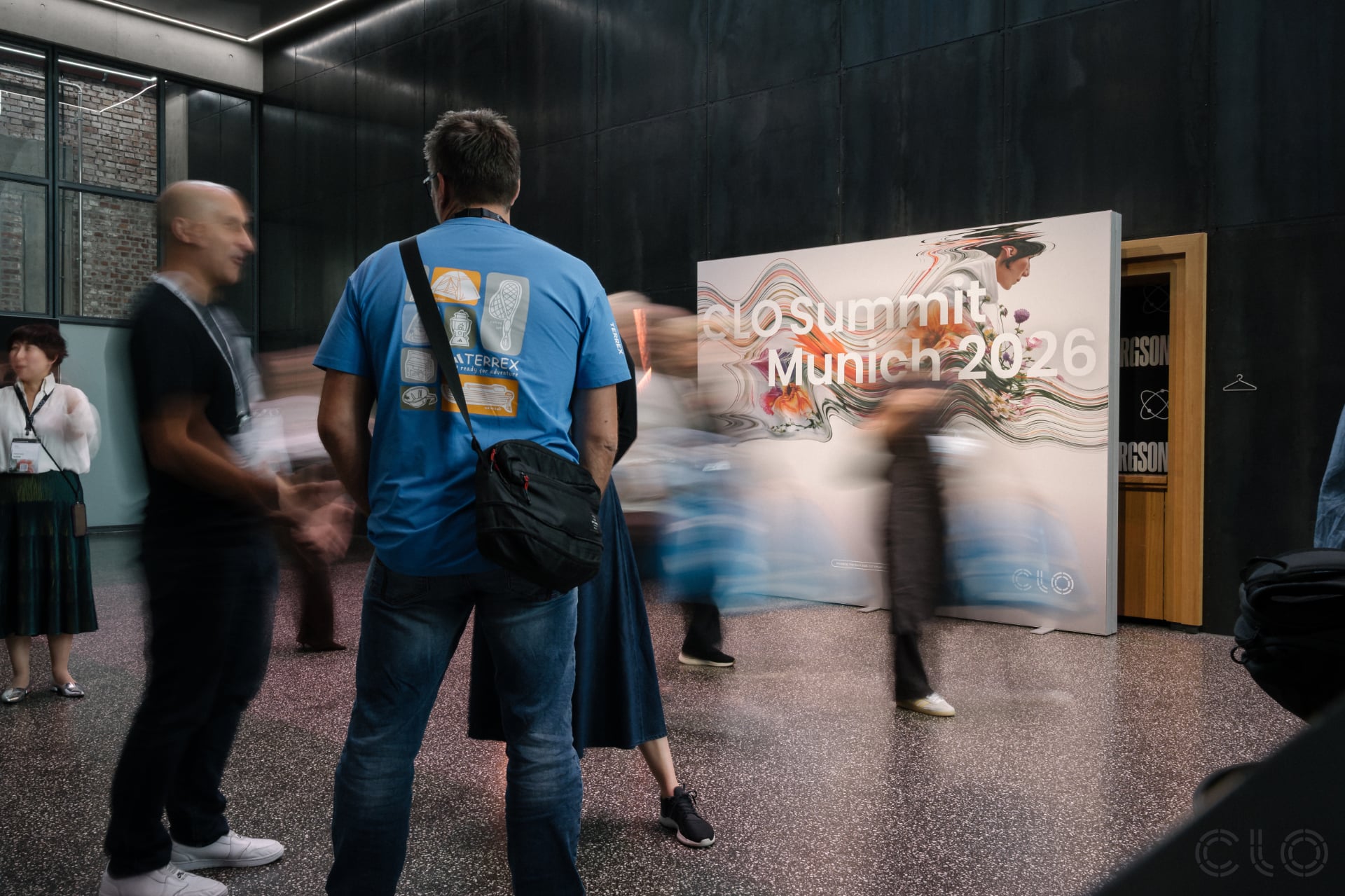
I’ve been an advocate of 3D for most of my career. But as I made my way to Munich in mid-September to host CLO’s EU Summit for the second year running, I couldn’t shake the sense that digital product creation was on a downswing.
I knew I’d be seeing a bunch of familiar faces. But some of the people who had been on stage with me a year earlier, representing 3D teams at major brands, would not be coming back. Not because they were too busy transforming end-to-end operations, but because their companies had since scaled back their departments. In some cases they’d eliminated them.
I knew I’d see new capabilities, new advances in usability, and fresh features for a demanding userbase who’ve been using CLO as a canvas for design, development, and simulation for decades. But I still found myself in a mindset that I know a lot of brands, suppliers, and DPC ecosystem vendors share: I wondered whether a different class of technology was casting such a long, deep shadow that maybe those latest steps forward wouldn’t really end up mattering all that much.

That’s a big change in sentiment and situation in just twelve months. I left last year’s CLO summit optimistic about the outlook for DPC, and separately very interested in AI – but I didn’t expect the two to end up smashing into each other quite as promptly or as comprehensively as they since have.
Readers of The Interline (especially if they’ve already pulled down a copy of our AI Report 2026, which features CLO, or they’ve read our interview with CEO Jaden Oh about the relationship between 3D and AI) know that we, along with plenty of other analysts, now believe the first half of this year was a serious tipping point, past which it became impossible to dismiss the potential impact of AI on almost every discipline under the fashion enterprise umbrella.
That same sharp turn has, for obvious reasons, prompted a lot of fashion companies to look extremely hard at the tools they use, and the workflows they run. And it’s led them to ask whether AI can already enhance or fully automate those platforms and those patterns today, or whether that’s likely to come in-scope in the very near future.
“Can’t AI do that?” is a super-common question that is, all at once, valid, useful, and disruptive in the good and the bad connotations of that word. Because AI can do plenty, even if there’s plenty more that it can’t, or shouldn’t, thanks to its inherent architectural limitations. And figuring out which answer applies to which use case is a constant project plagued by a moving technology maturity target, and by some real cultural tension both out in the world and in the dynamics of different departments, with different priorities, who often disagree about the direction and the value of AI deployments.
So, although it’s by no means the only one, 3D has ended up being one of the most visible disciplines to be put under that microscope in fashion, for two reasons. First: 3D and AI both have a big visualisation component, so their capabilities were always destined to either complement or end up in conflict with one another. Second: digital product creation made some very big promises that, a decade or more later, haven’t been fully realised, so companies are, rightly, asking whether those promises are ever coming true.
Specifically, fashion companies were told that long-term, transformative returns would come from scaling DPC. (Scaling laws are also a big thing in AI, just to add some more weight to the crossover between the two technology categories, even if that term isn’t exactly analogous.) The vision has always been that, if you can keep extending the utility and the value of a 3D representation of any given product, to an event horizon where that asset can stand in for any conceivable use case that would normally have required a physical sample, you’ll fundamentally change the way you operate.
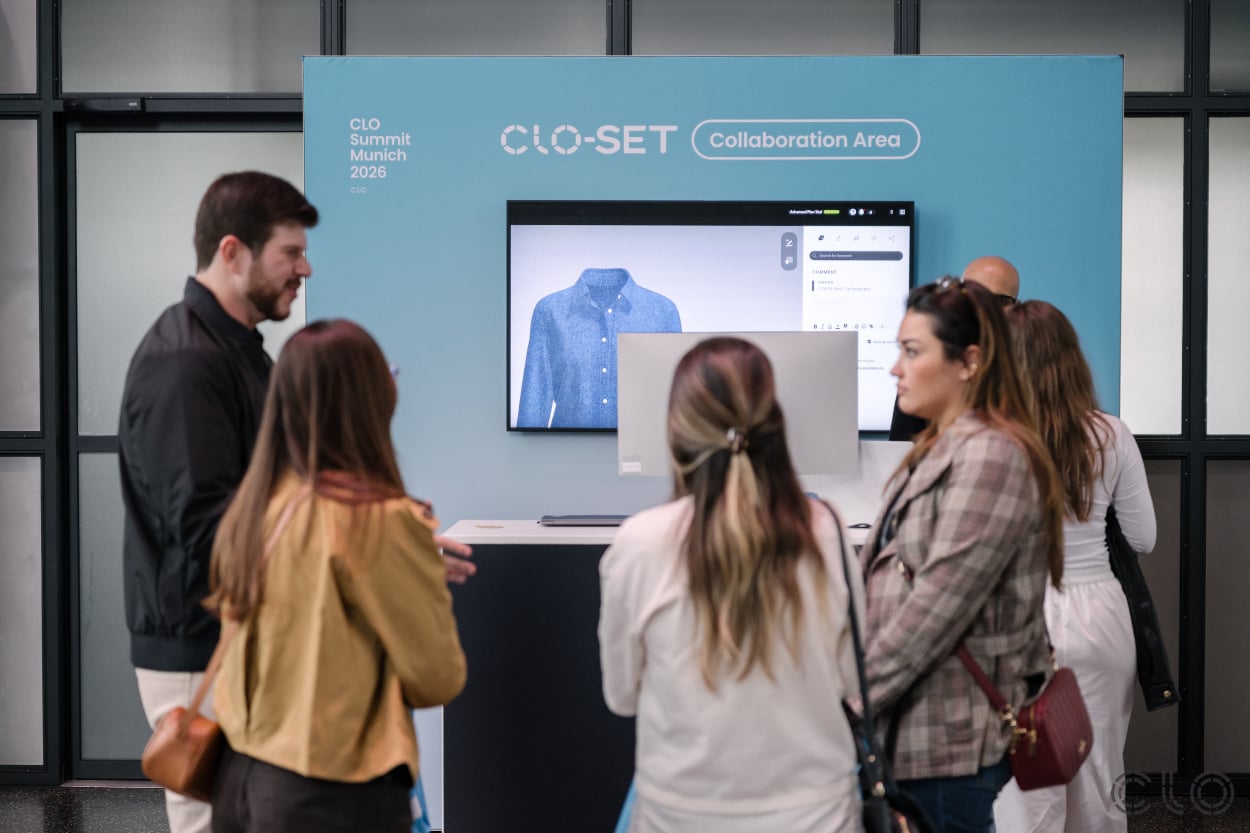
This was the “digital twin” that brands around the world spent a decade or more investing towards. It asked for skills, time, and whole-business buy-in, and in return it promised a single digital reference frame that would lead to better-informed, more accurate decision-making in design, development, production, sales and marketing.
Fashion has, to be clear, realised a lot of value in the process of pursuing that goal. Digital product creation became big business for justified reasons, and it emerged as a pivotal part of the way most, if not all, of the world’s biggest brands worked, even if that all-encompassing utility never quite materialised, and some companies got justified cold feet as a result.
To be clear: 3D assets are, right now, being used in real, high-stakes design, engineering, alignment, and communications workflows at the headquarters of storied brands like Lacoste (whose DPC team delivered one of the keynotes at the 2026 Summit). But, going into this year’s show, it would have been hard for anyone immersed in this space to argue with the idea that the digital twin momentum felt like it was slowing.
And if there’s one thing that does have momentum right now, it’s AI. If you confine your definition of DPC to building a visual output, either for in-house audiences to base decisions on, or to put in front of consumers in either real-time or offline renders, then image-generation models and workspaces can offer a more compelling proposition: less time, a much lower skill floor, ubiquitous availability, reduced cost, and endless iteration.

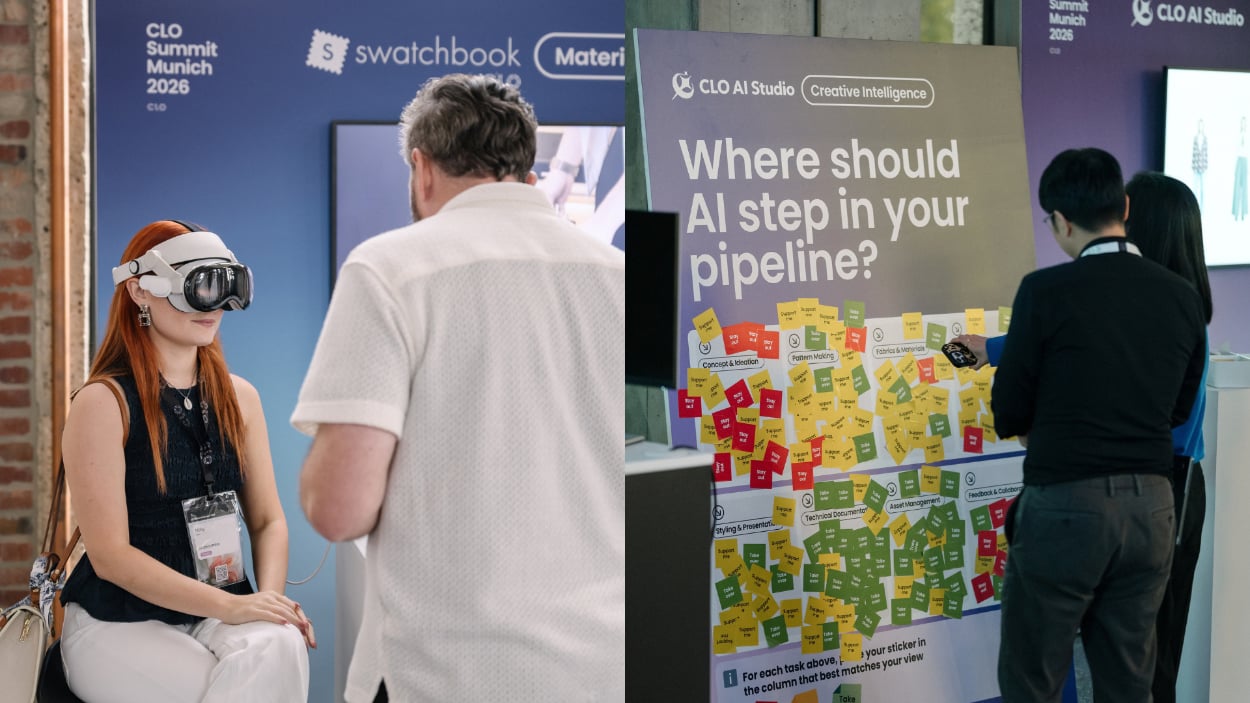
Being able to generate an image of a style-in-development, or a finished one ready for an eCommerce storefront, does not invalidate any of the broader-spectrum value promise of 3D, but it does very directly challenge the more tightly-scoped value of working with meshes and materials when the output being measured is pixels – especially if those pixels are needed quickly, and if some degree of approximation is considered an acceptable compromise to get there fast enough, or at sufficient volume.
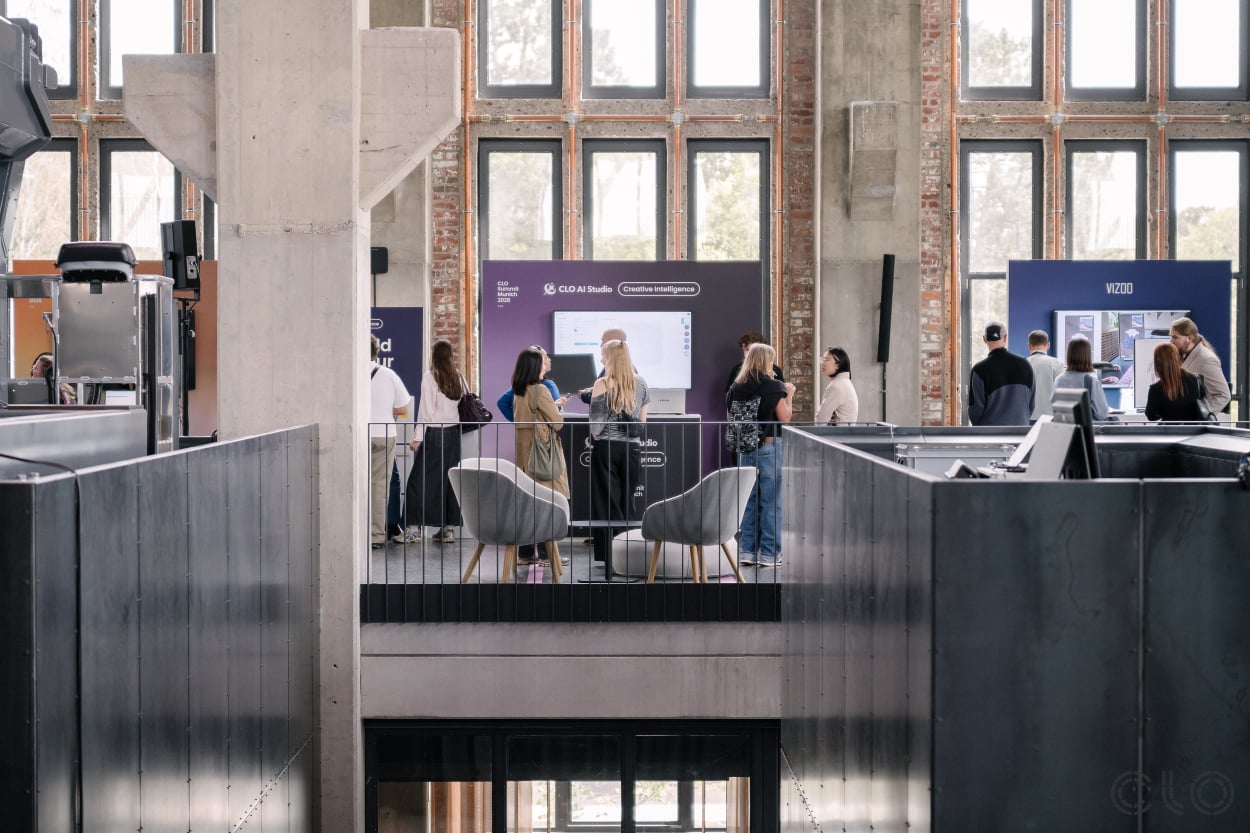
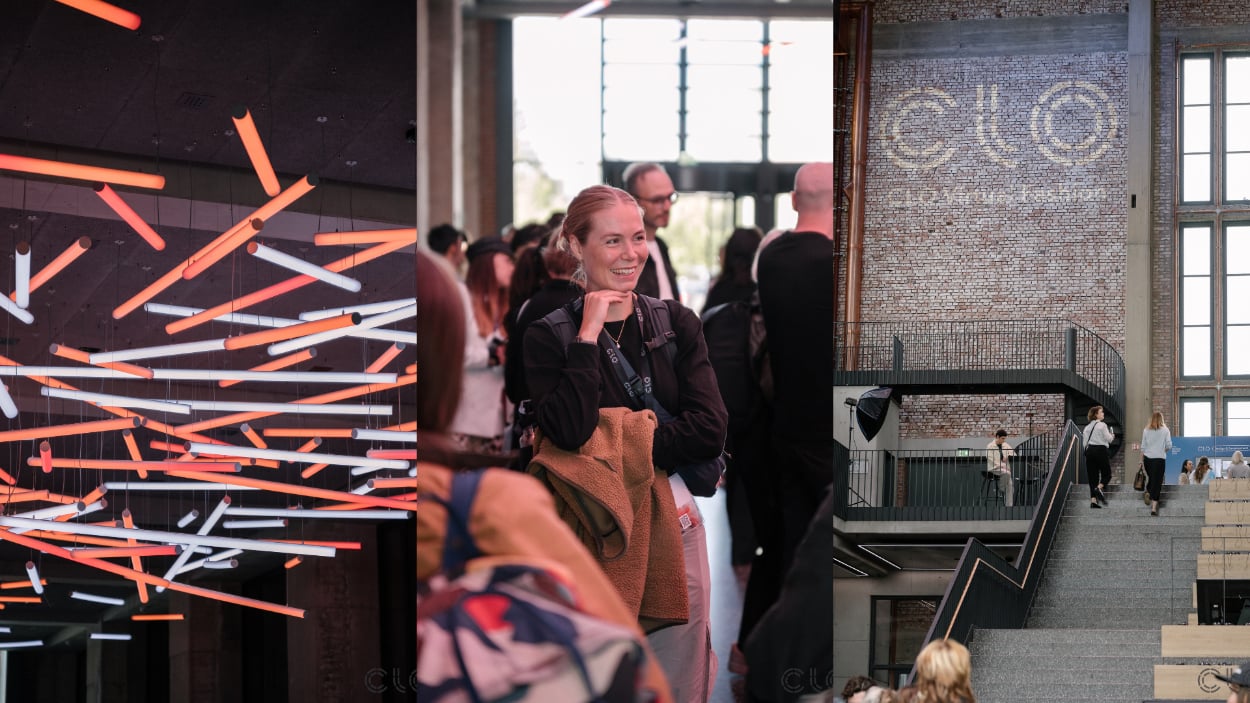
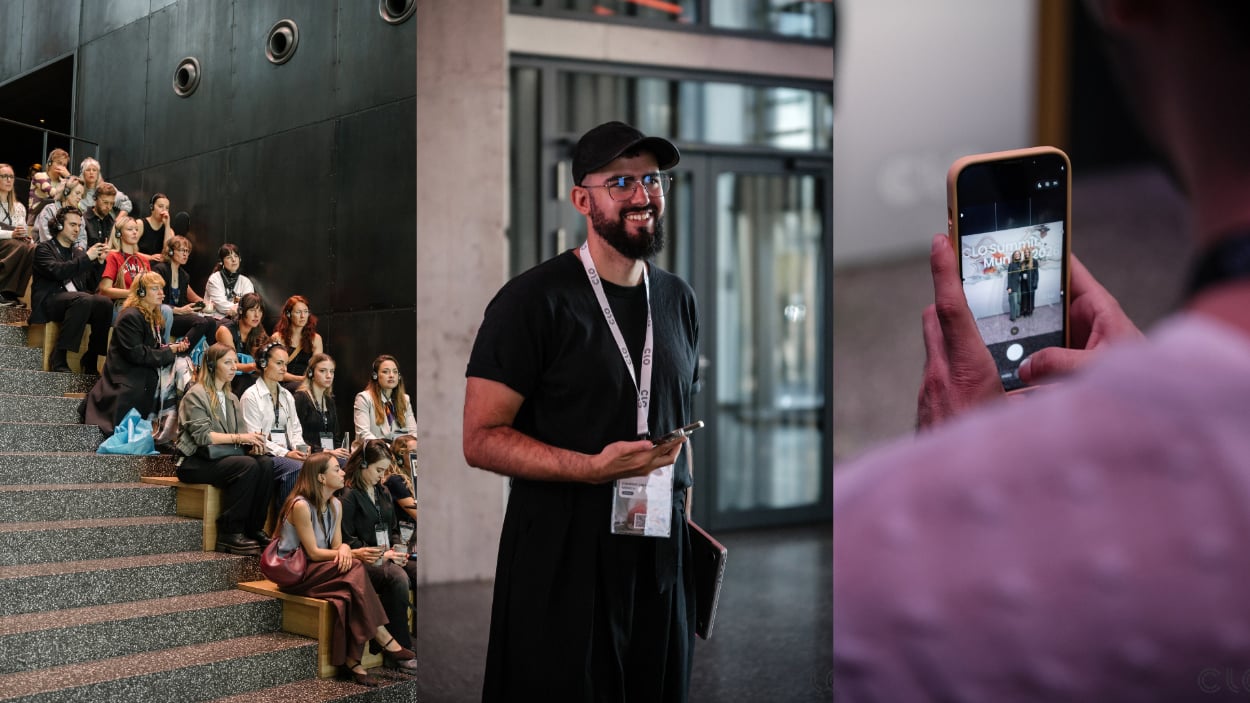
Taking all of that into account, you might have expected AI to be the unacknowledged elephant in the room at Munich’s Bergson Kunstkraftwerk, when I joined 300-or-so other people from big brands, education, and the extended technology ecosystem to talk about what changed in 3D between 2025 and 2026, and to take a look-forward at the next year.
To everyone’s credit, that wasn’t what happened. The 3D community might have gone through a period of AI-backlash, but that’s by no means unique; every industry has wrestled with the same thing, and while some are still stuck in a state where AI advocates and skeptics are staring warily over the fence at one another, fashion seems to have moved on to a more productive phase of the debate.

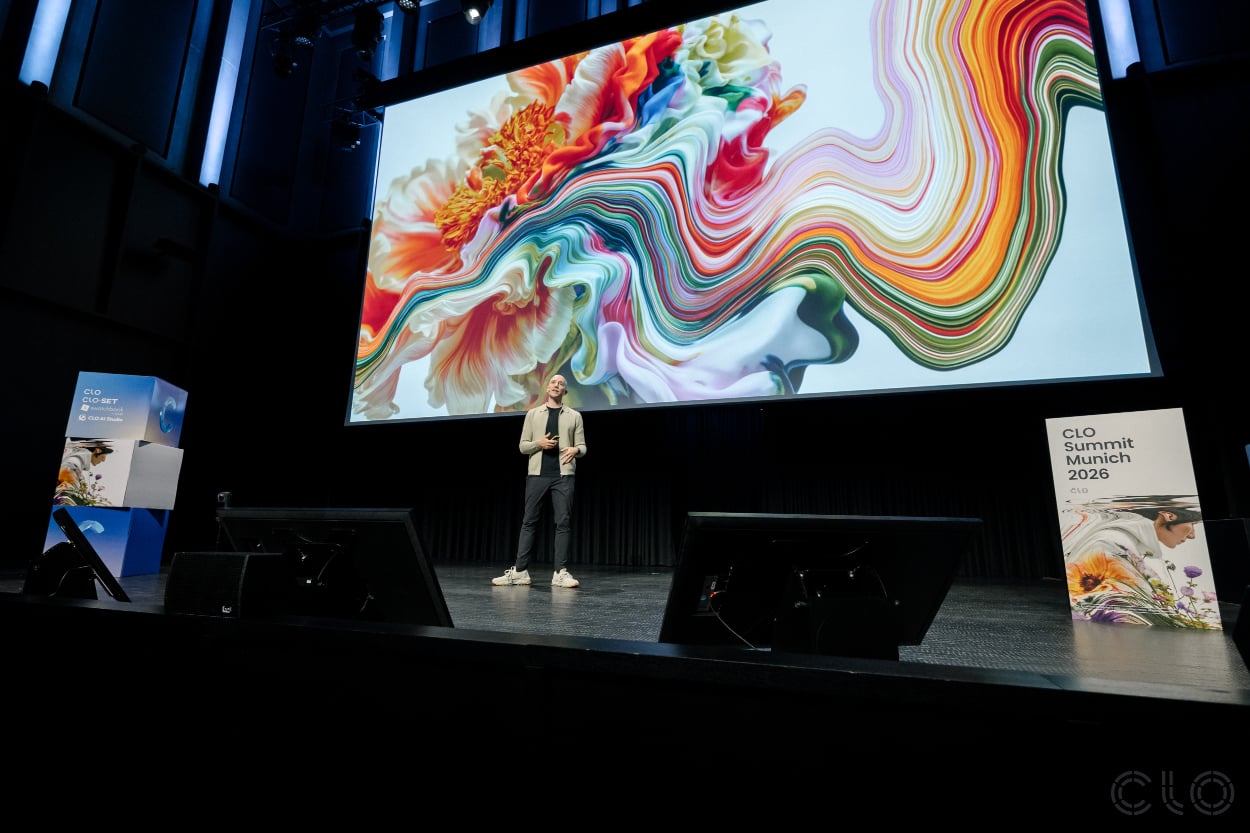
I saw that evolution in the way both seasoned luxury professionals and independent designers interacted with one another during the networking sessions. I saw it in my conversations with the CLO executive team, both on and off-the-record. And a productive debate was also exactly what I tried to present in the opening keynote I was asked to deliver.
As someone who’s worked on four annual reports dedicated to digital product creation, and three focused on AI (the latest of which contains our first adoption, outlook, and sentiment survey), I wanted to present a view on where fashion currently thinks these two things clash, where they complement one another, and where they’re just happily running on parallel tracks.
In that fifteen-minute opener, I tried to frame the industry’s relationship with AI through three versions of the same question, with some subtle inflection distinguishing the, from one another: “Can’t AI do that?”; “What can’t AI do?!”; and “Wait, what can’t AI do?”. I won’t re-litigate the findings of our survey, or our own subjective analysis, here, save to say that where I landed (and where a lot of the wider industry is landing) is that generative AI is good at what AI is designed for, that 3D is good at what 3D was built for, and that trying to replace the founding promise of either with the latest developments of the other might sound persuasive to a high-level audience, but it has limited appeal to the people closest to the work.

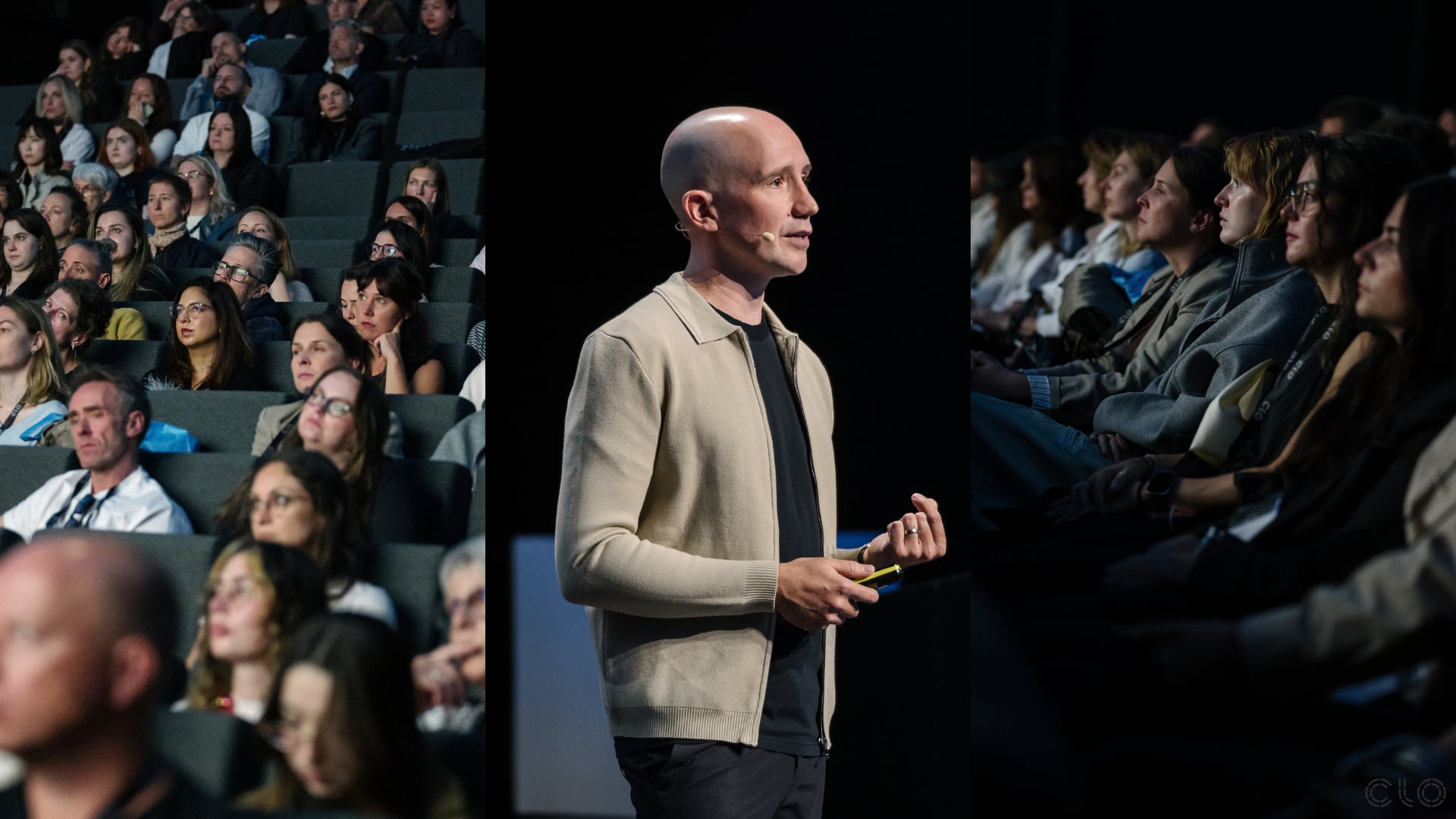
Instead, the future of the digital end-to-end pipeline is going to end up being shaped by both technologies.
And, crucially, it’s the people closest to the work who are driving the development (or at least the industry-specific verticalisation, in the case of AI) of both categories of technology. We, as an industry, won’t get good AI solutions for fashion without the input of fashion professionals any more than we’ll get good 3D tools for soft garments based solely on the input of people who model rigid exteriors for the automotive industry.
When I sat down in October 2025, to write last year’s summit recap, one of my conclusions was that I wanted to see wider participation from freelancers, educators, independent creators, and enterprise users into the development of the tools. This year, the way CLO executives (both Jaden Oh and CTO Sean Jeon) described the company’s roadmap explicitly linked that kind of feedback to demand for better 2D CAD capabilities, and to fewer obstacles between design and production.
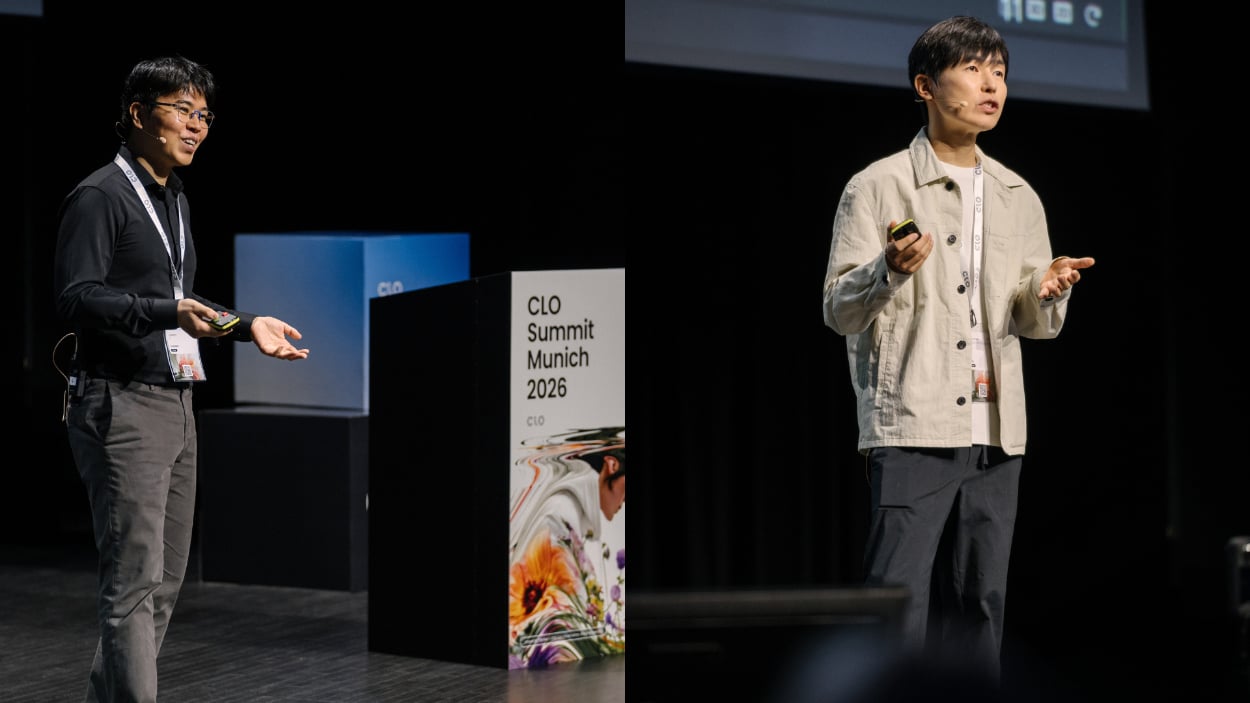
Or, to put it more bluntly, the DPC community is not made up of blind advocates who simply want a neat way to visualise ideas that are untethered from producible reality. Instead, that community clearly understands what 3D is for, and while they see the value of AI as an enhancing layer or, in some cases, an alternative to existing parts of the workflow, what they’re openly asking for is a deeper connection between the digital representation and the producible garment.
They wanted more progress towards a digital twin, in other words. And very few people seemed to care if getting there meant combining 3D with AI. In fact, I’d go as far as to say that this is a false distinction, because my belief is that most people do not see the two classes of technology as really being in conflict. And I also suspect that the companies that shut down their DPC initiatives in the aftershocks of AI will end up regretting that choice.
I’ve already given the context for why I believe the term “digital twin” fell out of favour, but make no mistake: the discussions that shaped the 2026 Summit, on-stage and off, talked about a digital end-to-end pipeline, but if you build that kind of pipeline then, definitionally, the thing that travels along it will be a complete and accurate digital representation of a real thing.
I don’t think, though, that this is just a semantic argument.
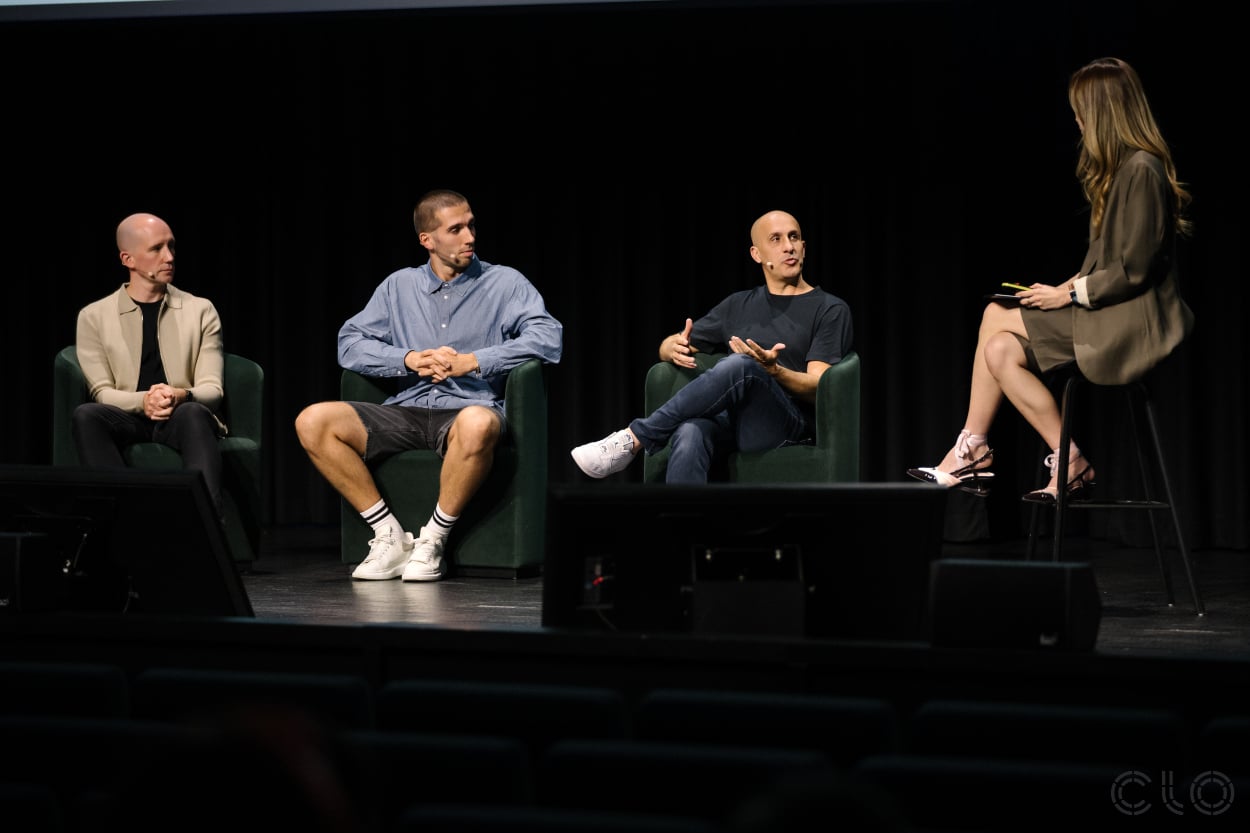
The pipeline-focused panel led by CLO’s Serena Huh, which I joined alongside Mihai Ursu from Hypedrop at Bestseller, and Swatchbook’s Yazan Malkosh, was an opportunity to discuss this. And while we got into some philosophical back-and-forth about AI in general, the key takeaway for me was that even a company whose explicit brief was to rethink and massively accelerate the fashion business model saw AI as additive and complementary to 3D, not as a replacement for it.
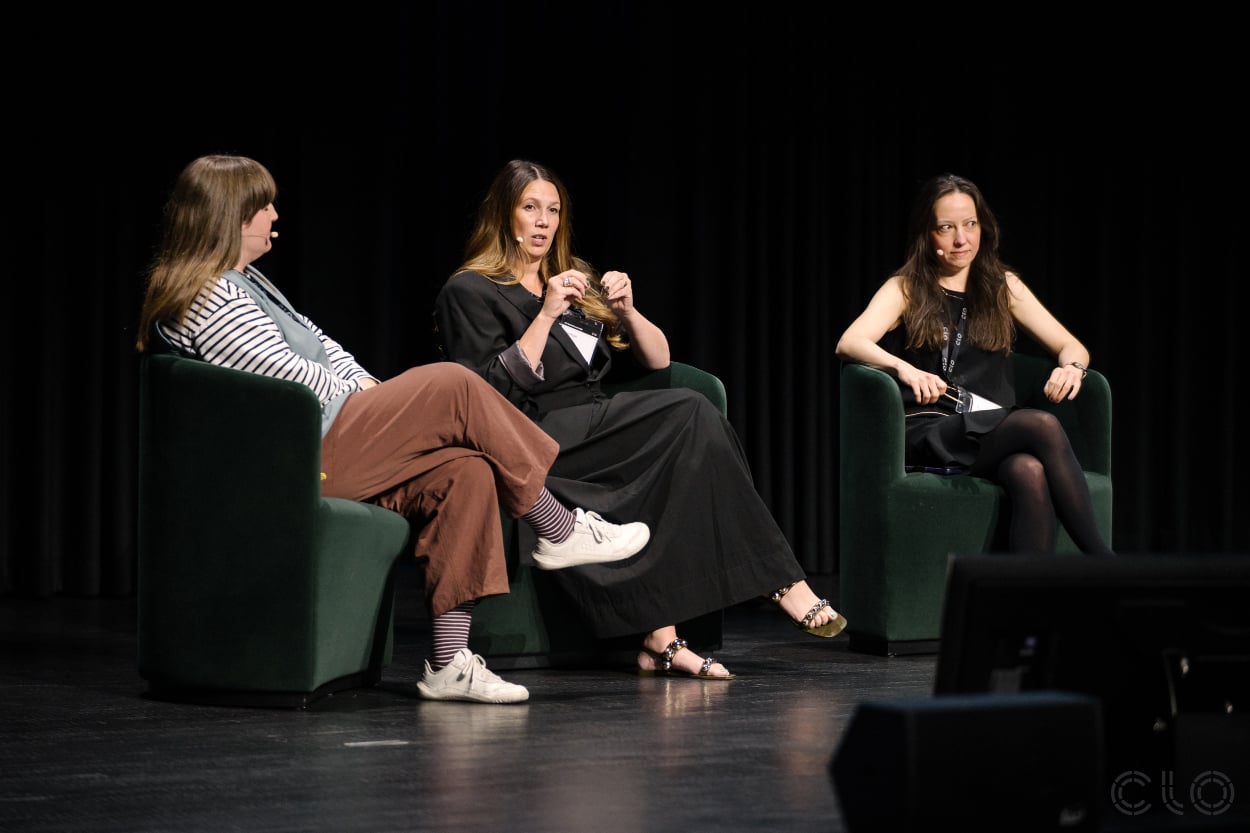
And the audience saw the same thing in a later panel, which focused on fit and sizing, and brought together perspectives from Arts University Bournemouth, Fjällräven and Zalando. While that panel did spend a good amount of time on the ways that 3D simulation can elevate the discipline of sizing and fit beyond what 2D CAD is capable of, it also engaged with the axiom I tried to air in my keynote: that visualisation is a fundamentally different thing from simulation, and that both need to have a place.
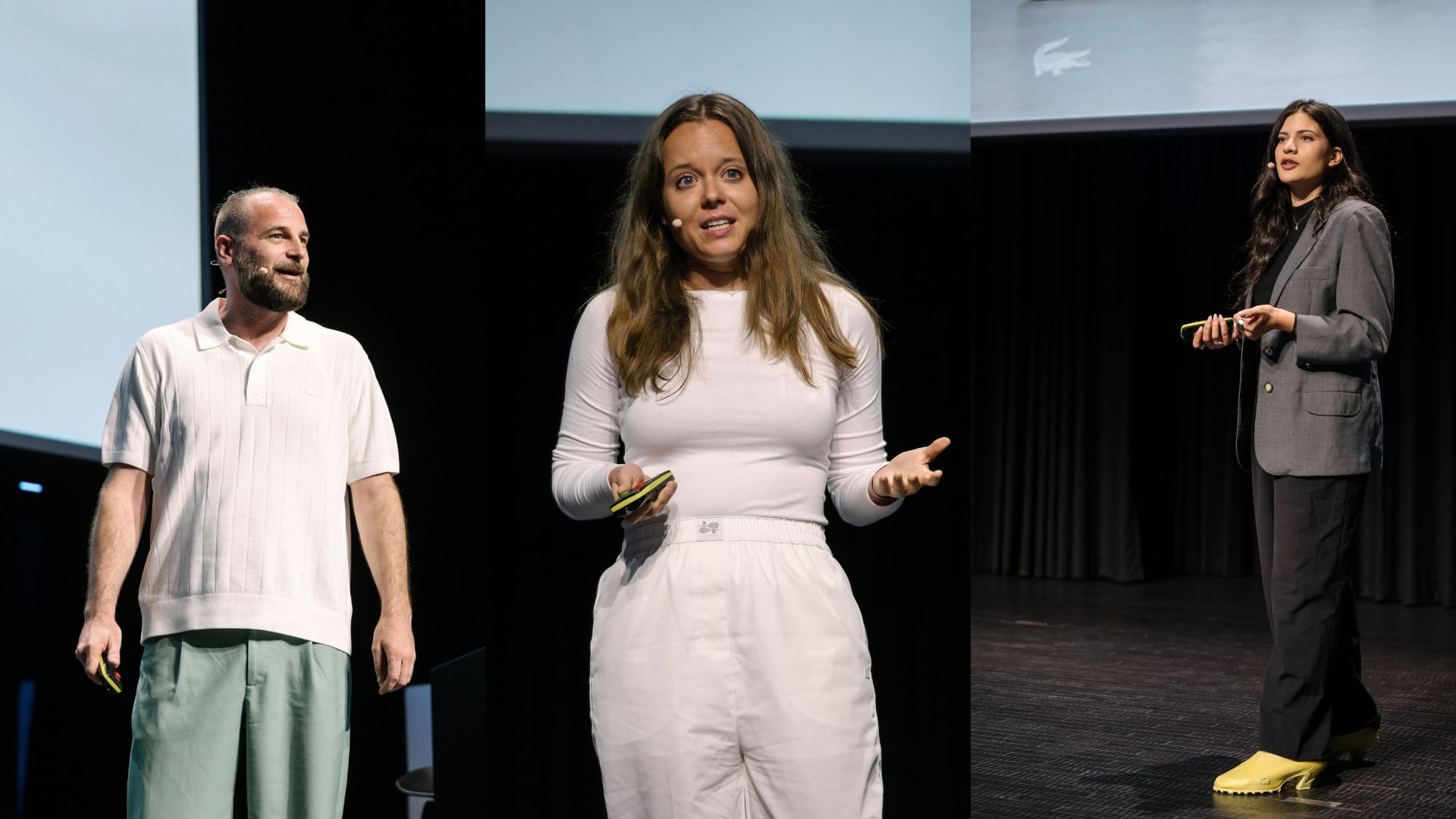
That keynote I mentioned, from Lacoste, was more focused on 3D itself, but it served as a reminder that any digital pipeline is constantly under-development, and that the teams pursuing innovation in how garments are designed, developed, and communicated need to be reactive to the way technology is evolving, rather than focusing on a fixed target.
Most importantly, for me: the Lacoste team showcases multiple use cases for 3D assets, from the technical to the purely theatrical, that validated the original idea that “scaling DPC” is valuable. In these demos, Jérôme Triquet, Elisa Pelizza and Alison Gadaleta talked openly about using 3D to transform multiple different functions, all at once.
Or, to go back to my original framing and to the founding promise of DPC, they demonstrated that scaling 3D will continue to deliver value. And for companies that then opt to pair it with AI, that value has the potential to be properly transformative in a way that neither technology would be in isolation.
After that session, I was given the reins to moderate a panel that engaged a bit more directly with the question of how all of this transformation impacts fashion’s talent pipelines. For anyone sufficiently immersed in the digital product creation ecosystem (or who has seen the way that CLO and The Interline have both, separately, worked to elevate design talent that uses new technology) the question of incoming talent will have felt endless, because if the value of an accurate 3D simulation is both transformative and additive to how we think about AI, then the skill floor is commensurately high.
To engage with the question of who the digital leaders of tomorrow will be, if 3D remains a specialist discipline while AI becomes ubiquitous, I quizzed Yao Yao from Vivienne Westwood, Professor Dr Christian Kaiser, and VR designer Holly New – who has previously written for The Interline.
With that discussion, my objective wasn’t to suggest that the DPC talent base was thinning as a result of AI, but instead to reckon with the implicit idea that the next generation will solve the industry’s problems, or figure out how to combine its most promising technologies into a fully integrated, end to end, digital pipeline.
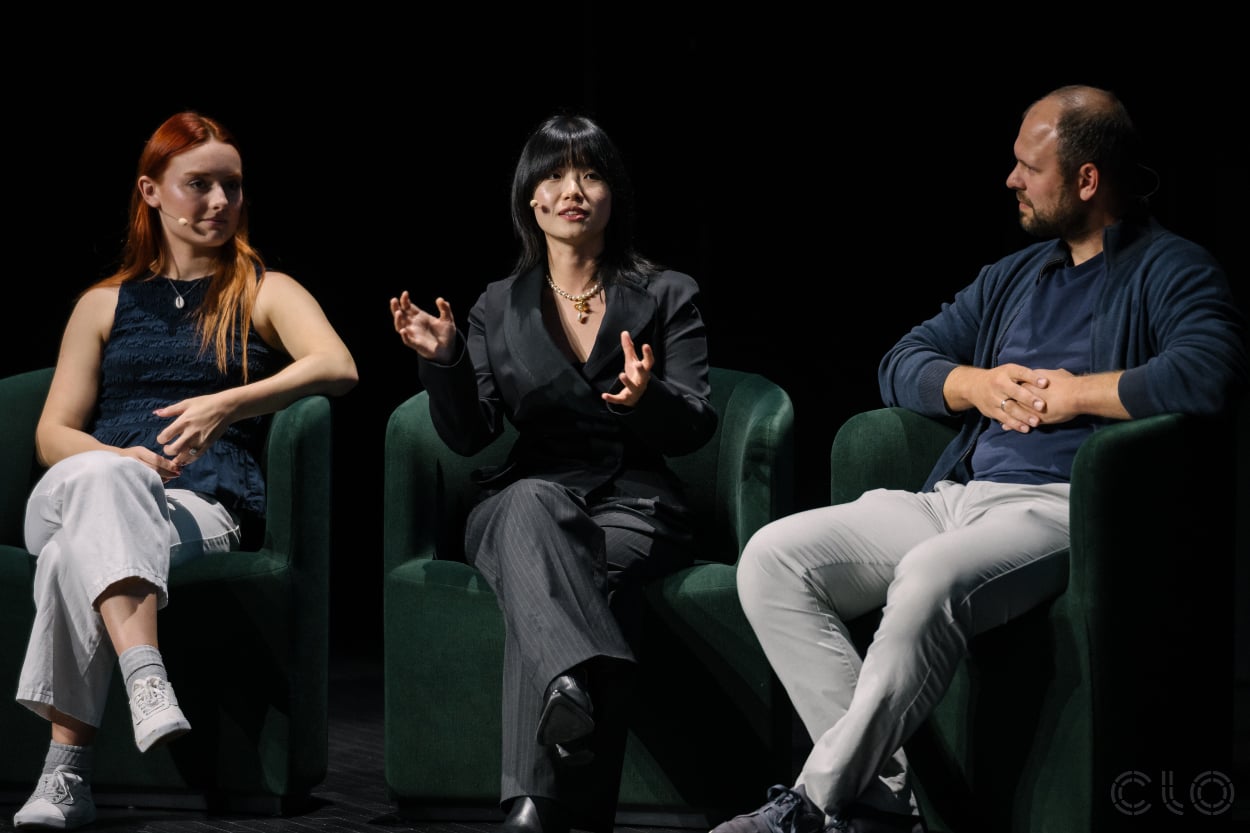
The upshot of that conversation was that technology clearly matters, in both its own right and as a tool for attracting the most promising incoming talent, but that it’s illogical to try and separate different tranches of it, and to segment out 3D leaders or AI leaders. Instead, everyone on stage agreed that people with first-hand experience of the full spectrum of technology will be the ones who are able to actually spearhead change within their organisations.
If I could round up the sentiments that were expressed on-stage by experts from education, from brand backgrounds, and from CLO itself, as well as from the networking portions of this summit, I’d summarise it this way: simulation is only as useful as what happens before and after it. A 3D garment does not become trustworthy simply because it was built in a different category of software, any more than an AI visualisation can be dismissed as inaccurate, simply because it was generated.
One phrase from the summit that I know stayed with a lot of people afterwards was “prompt and pray”. That captured the familiar experience of working with generative AI, where someone describes what they want, receives a result they had no direct control over, and then spends multiple ensuing turns trying to perfect it, or reboot it.
I don’t know if that lodged in my brain in quite the same way. I do agree, and have covered in interviews and my own articles, that AI is an inexact science. And I also agree that 3D is generally the opposite: a way of building something natively that then remains accurate wherever it’s used. But when I think about the workflows of the future, I don’t expect them to follow clean lines, or for it to remain as easy as it is today to compartmentalise AI as being uncontrollable.
It’s true, of course, that AI tools can burn tokens indefinitely as the user tries to avoid a gravitational pull of accuracy that would be far easier to establish if they had an accurate digital representation in the middle. But it’s also true that a lot of what people perceive the extended value of 3D to be will clearly require an embrace of that different class of technology to realise.
Since I left Munich, I’ve ended up thinking about things this way: the opportunity fashion now has is to really engage with the question, case by case, of when it’s worth generating another picture, and at what point it would be better to have a real definition behind it. I suspect we’ll end up realising that both have value, separately and together.