
This article was originally published in The Interline’s second Sustainability Report. To read other opinion pieces, exclusive editorials, and detailed profiles and interviews with key vendors, download the full Sustainability Report 2024 completely free of charge and ungated.
Key Takeaways:
- The fashion industry needs to prioritize people alongside planet and profit, ensuring that sustainability efforts don’t come at the expense of workers’ rights and well-being.
- Collaboration and empowerment of supply chain workers, from farmers to garment makers, is crucial for developing holistic and effective sustainability solutions in fashion.
- Technology plays a vital role in empowering workers and promoting sustainability throughout the fashion supply chain, from regenerative agriculture to ethical manufacturing and distribution.
Anyone somewhat versed in the business of fashion will be familiar with the alliterative three p’s framework of planet, people, and profit. When first said successively, these three short words advanced a shared global lexicon of how businesses to this day think about the extent of their negative impact.
And while many of us — myself included — assert that our current corporate system is structured in such a way that continues to insist that profits come before all else, this concept of the triple bottom line signifies mainstream changes to the way we now think about the long term effects of the fashion industry.
Now, three decades on from the three p’s making its way into mainstream marketing theories, almost every large business has its own Corporate Social Responsibility strategy, pledges that align with the UN’s Sustainable Development Goals, and, more recently, transparent and accountable Science Based Targets to reduce their emissions.
However, at the underlying root of these frameworks are the three p’s and the contradictions, challenges, and hard work that come when businesses attempt to harmonise these three words through action.

So, as we pass the point of no return when it comes to the climate emergency, it is vital that we question whether these frameworks go far enough to effectively emphasise the intrinsic link between sustainable production and ethical practices and are capable of guiding brands toward a future that benefits all three.
Copy and paste: sustainability conversations
Over the years, I have attended many conferences, networking events, and panel discussions, all focused on sustainability in the fashion industry, but what has always been most strikingly concerning to me is the disconnect I feel between conversations that take place in these spaces and the realities of global fashion supply chains. These discussions often focus on planetary health from a Western lens, failing to acknowledge the growing economic regions on which we will most depend to enact change.
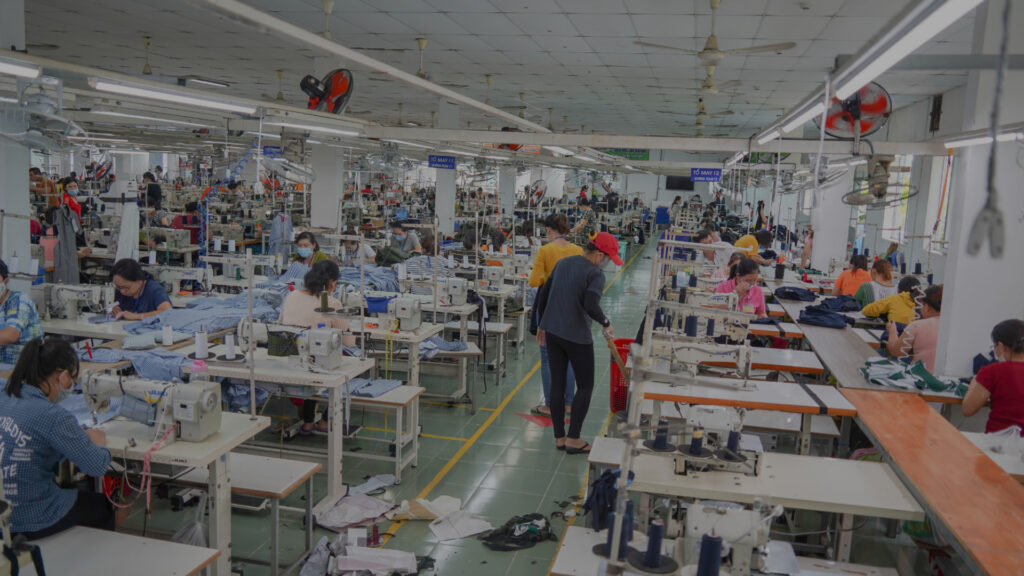
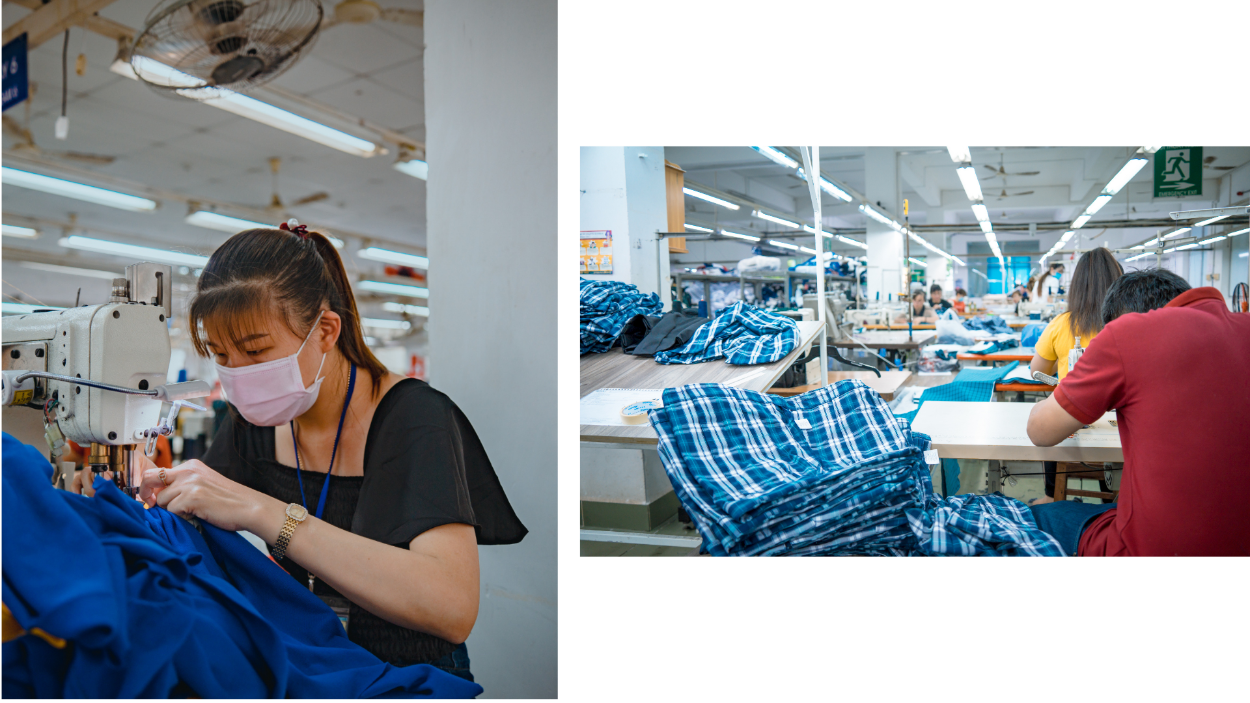
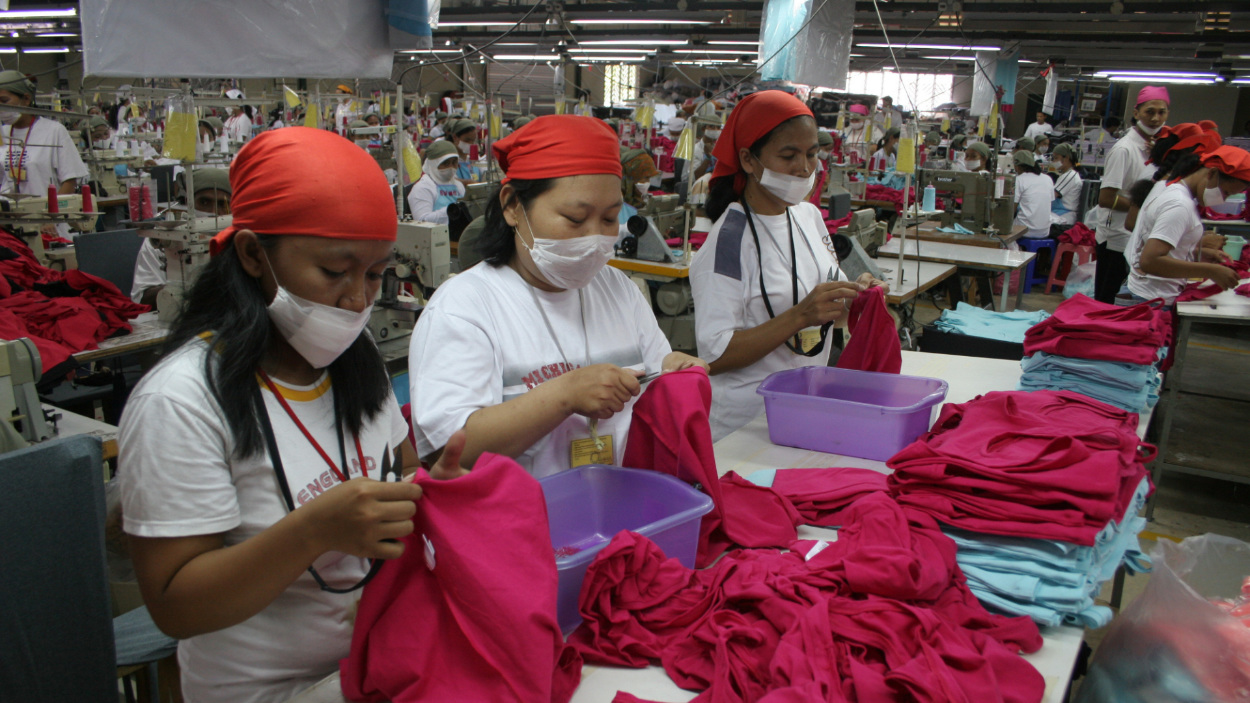
These are not just the consumers and business owners but the supply chain workers that are most at risk of experiencing the fallout of continued unethical practices. Not voiceless but silenced in our capitalist system, they farm our raw materials, transform them into textiles, manufacture these into products, and then dispatch them to our front doors for us to wear and discard.
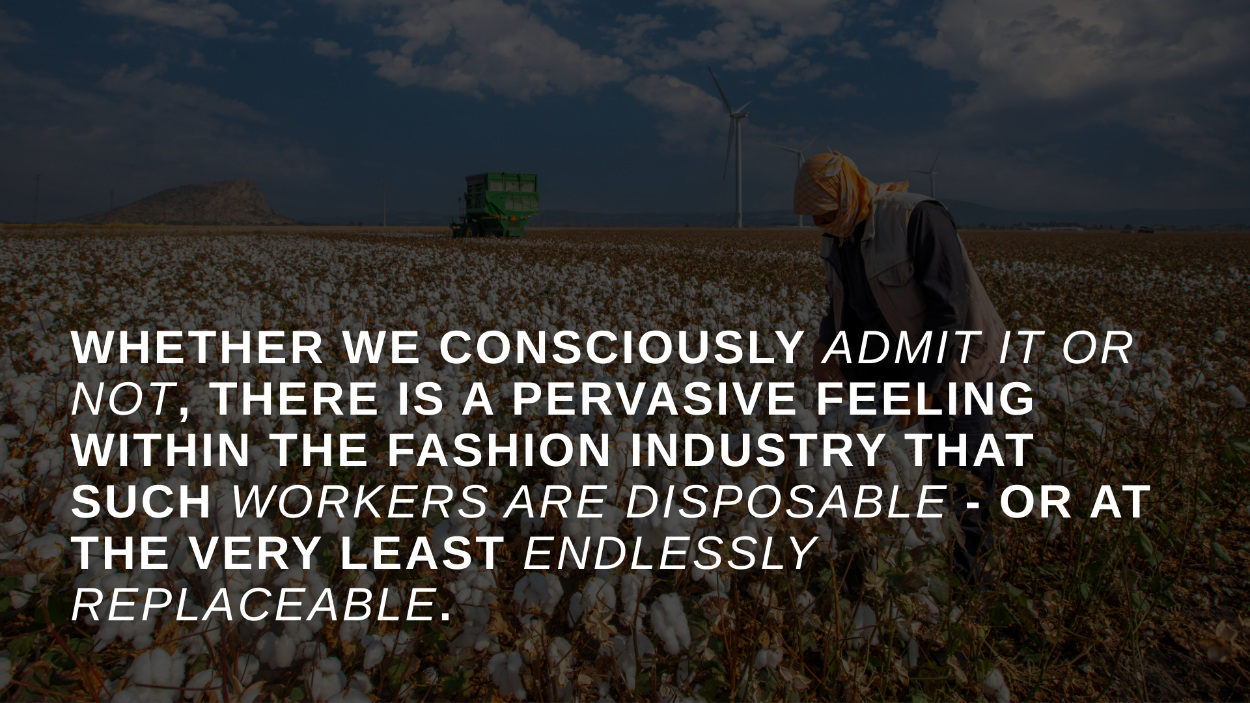
Whether we consciously admit it or not, there is a pervasive feeling within the fashion industry that such workers are disposable – or at the very least endlessly replaceable. Examples like COVID-19 evidence this. It was factories that took the brunt of the shift in consumption during the pandemic, as brands cancelled over $40 billion of finished and in-production goods orders from factories and suppliers – the owners of which quickly protected themselves by letting their workers go.
The fashion industry must learn from such missteps and quickly. Whether the final judge is a regulatory or the court of public opinion, it should never be our most vulnerable workers taking the fall when unprecedented global events throw businesses into a tailspin.
It is universally acknowledged that the human race continues to compromise our ability to exist on this planet as the climate crisis worsens. As extreme weather events accelerate in frequency and climate-sensitive regions become more at risk, supply chains will become increasingly defenceless to an undesirable and volatile, environmental, social, and economic future.
But if businesses are hoping to mitigate the loss of profit and growth, they cannot just focus on making the natural environment more habitable for all; we must also build a social system that is indiscriminately hospitable for everyone. Not just because it’s the right thing to do — which it is — but because it is the key to unlocking new ways of working that are fair and equitable for humans and the environment.
It is clear that more brands must provide their diverse communities of key workers a seat at the table. They are not only uniquely skilled and experienced within their disciplines, but they also have the potential to use their knowledge to advise on more sustainable practices. The UN Development Programme shares in this school of thought, and their biannual Equator Prize rewards action that showcases the benefits of folding Indigenous Peoples and local communities into developing climate solutions.
Workers deserve not just to be empowered by brands because they have built profitable business models from their hard work and labour, but because they are best placed to help build solutions, and to help adapt products and processes to the inevitable changes that are coming for the existing environment.
Planet and profit vs people
Looking at the current state of the fashion industry, there is vast groundwork to be laid for the widespread adoption of such practices within sprawling commercial organisations. We cannot shy away from evaluating our existing shortcomings and asking hard questions, such as,
- Are we trying to save the planet to the detriment of large parts of society?
- And if so, are businesses now prioritising profit and the planet over people?
Looking at the shift towards electric vehicles (EVs), you might agree with my scepticism that people and the planet are viewed as equals. In recent years, there have been well-documented human rights violations found in the mining of materials for car batteries, and wildlife is reportedly under threat in Africa, as this practice scales at pace. And, now that the fashion industry moves towards embedding EVs into their distribution models, it is vital that brands examine these concerns more granularly.
Like the meaning of sustainability itself, there are many vantage points from which to interpret and critique the EV market, and while it is arguable that the emissions produced by EV’s is considerably reduced compared to the use of fossil fuels, should these ends justify such means?
From fashion’s point of view, is innovation in and around sustainability actually equating to a net positive if it lessens the impact on the environment but places a similar or greater burden onto other human beings?
Textile waste in Ghana is a prime example of a similarly half-baked solution. En masse, consumers are only just waking up to our clothing waste’s monumental impact on the region and its inhabitants. For decades, we in the UK believed that all our unwanted clothes could be donated to high street charity stores and given a new lease of life with a new owner — a win-win. Yet according to Greenpeace, Ghana now receives an annual total of about 152,600 tonnes of second-hand clothes, known as Oburoni Wawu or “dead white man’s clothes” in English. This shows how easily a feel-good initiative can become the opposite when the curtain of visibility rolls back – something that legislation and technology is doing at increasing speed and scale right now
Again, though, these problems simmer down to a lack of holistic and collaborative problem-solving involving at-risk communities and regions.
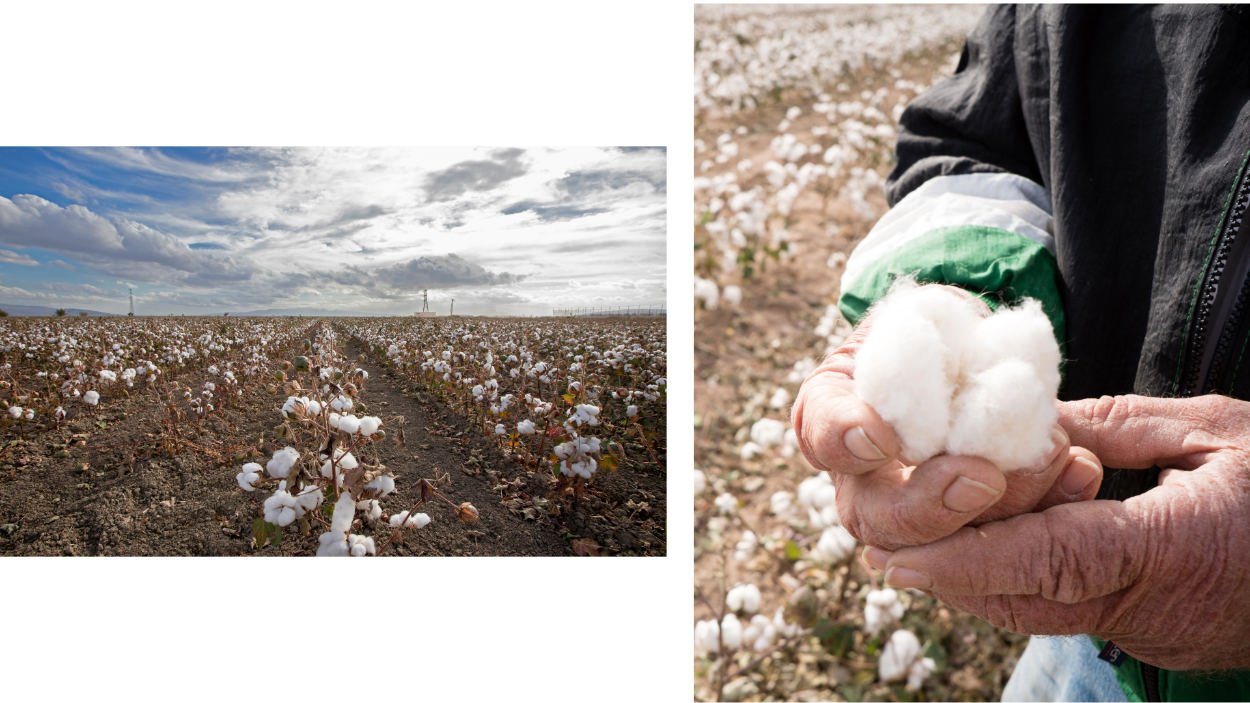
Failing to look at supply chains as an ecosystem has led brands to overlook unforeseen consequences and rush toward achieving reportable positive impact with tunnel vision. There are often limitations to the outcomes that brands are open to acknowledging, and as a result, we only address part of the fashion industry’s systematic problems.
But, it is essential that care for people goes hand in hand with consideration for the health of the planet and profits, otherwise, we run the risk of implementing quick fixes that fail to see unsustainability for what it is – a plague on the fair society we claim to subscribe to in addition to the planet.
The campaign for fair and ethical sustainability
So, if brands are to explore how they can achieve harmony with the natural environment through practices that tip the balance of inequality in favour of fairness and equity for all human beings, collaboration – to me – is the most compelling proposition.
The Fair Cobalt Alliance, for example, acknowledges the contentious nature of aforementioned EV production, in the following statement on their website “Cobalt plays a key role in enabling a transition to a green economy. Nevertheless, public discourse around cobalt has been predominantly negative, focusing, to a large extent, on the adverse impacts of mining activities. This creates a dichotomy between cobalt as a key to reach a clean, carbon-free future on the one hand, and its extraction being characterised by poverty-driven child labour and human rights issues on the other.”
The organisation leverages partnership as a mitigation to these atrocities by connecting stakeholders throughout the entire supply chain with a common purpose – the development of responsible and fair cobalt that can advance the deployment of more environmentally conscious technologies.

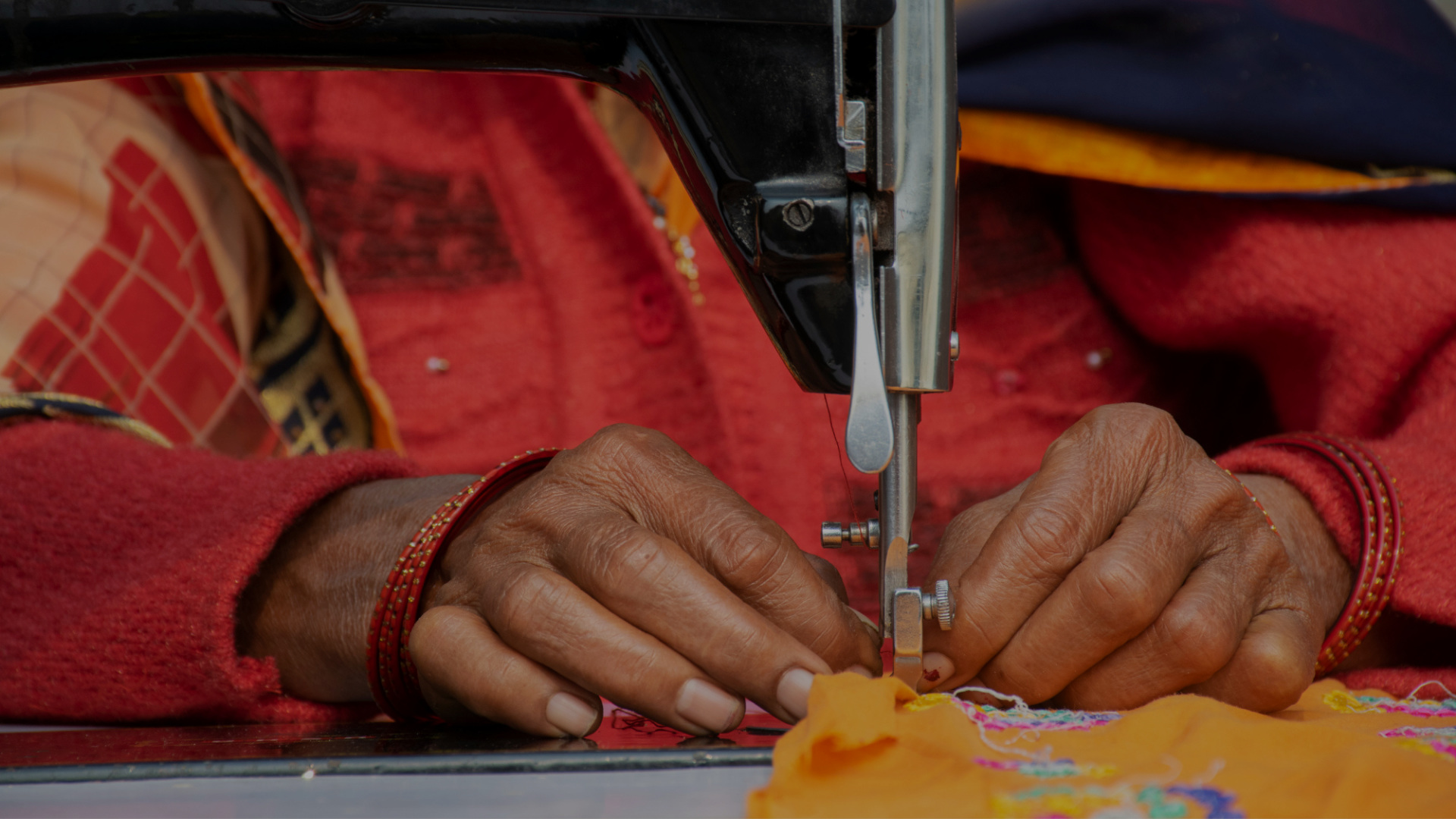
Similarly, The OR Foundation’s “Stop Waste Colonialism” campaign looks to address the waste crisis in Ghana. By lobbying for more Extended Producer Responsibility (EPR) policies worldwide, the campaign hopes to shift end-of-life product responsibilities back onto brands.
And recent breakthroughs in EU regulations and laws are somewhat hopeful, aiming to make brands accountable for their impact on the planet by introducing digital passports for traceability, banning illegal waste shipments to the global south, and clampdowns on greenwashing. But such solutions, however, might have been embedded earlier or more effectively, with the input of The OR Foundation and the Kantamanto community they collaborate with. The organisation now uses their expertise and first-hand experience to analyse and suggest amendments to proposals regulation in both the EU and the U.S.A.
We must look at these examples as evidence of a win-win for all supply chain stakeholders, including those in the head office. Comparably to how businesses attempt to empathise with their customers to develop desirable, feasible, and viable products and services, fashion brands must do the same with the workers within their ecosystems if they are to build holistic solutions that stand up to the rigour of not only new laws and regulations but dramatic changes to our natural environment also.
Empowering fashion supply chain workers through technology
For fashion brands and retailers just beginning to open their eyes to the potential of cross-collaboration within supply chains, technology will undoubtedly play a crucial role in how they begin to empower their own supply chain workers.
From digital upskilling, data-driven monitoring and reporting, to the digitisation of distribution, solutions exist and can be leveraged by brands at every aspect of the supply chain.
From farm to fabric
Regenerative farming is the practice of working with nature through processes that allow natural resources and biodiversity to replenish instead of deplete. While regenerative fashion has long been a luxury status symbol, increasing climate pressures paired with more discerning sustainability expectations promises to make regenerative systems more commonplace throughout the entire industry.
For example, knitwear brand Sheep Inc.– previous winners of the Equator Initiative – have developed a carbon-free collection that uses regenerative agriculture to showcase Indigenous people’s important role in the climate, biodiversity, and sustainable agenda. The collaboration is an excellent case study in the power of trusting the perspectives of those who understand their land or craft better than anyone else. And the broader shift to regenerative farming is a rich opportunity for just this.
Climate Farmers – an organisation championing European regenerative farming – boldly state that they are “for the farmers,” centring them in their push towards a sustainable agricultural industry and respecting their roles in society as “stewards” of the land to be passed onto future generations. They argue that regenerative agriculture can help farmers build resilience in their ability to financially profit from their land while benefiting the environment.
Agritech solutions such as Lentara Africa are vital levers to realising these outcomes. The solution provider uses satellite-based crop analysis to monitor soil health, water stress, crop nutrition and disease, to give farmers a clearer picture of their land.
Data-driven predictive modelling takes this a step further, helping farmers manage weather impacts through early warning of extreme weather events and crop selection. Then, there are tools such as the Soil Association Exchange’s dynamic benchmarking that allows farmers to use real-time data to analyse their land comparatively against other farms, helping them make informed decisions for a more resilient business model.
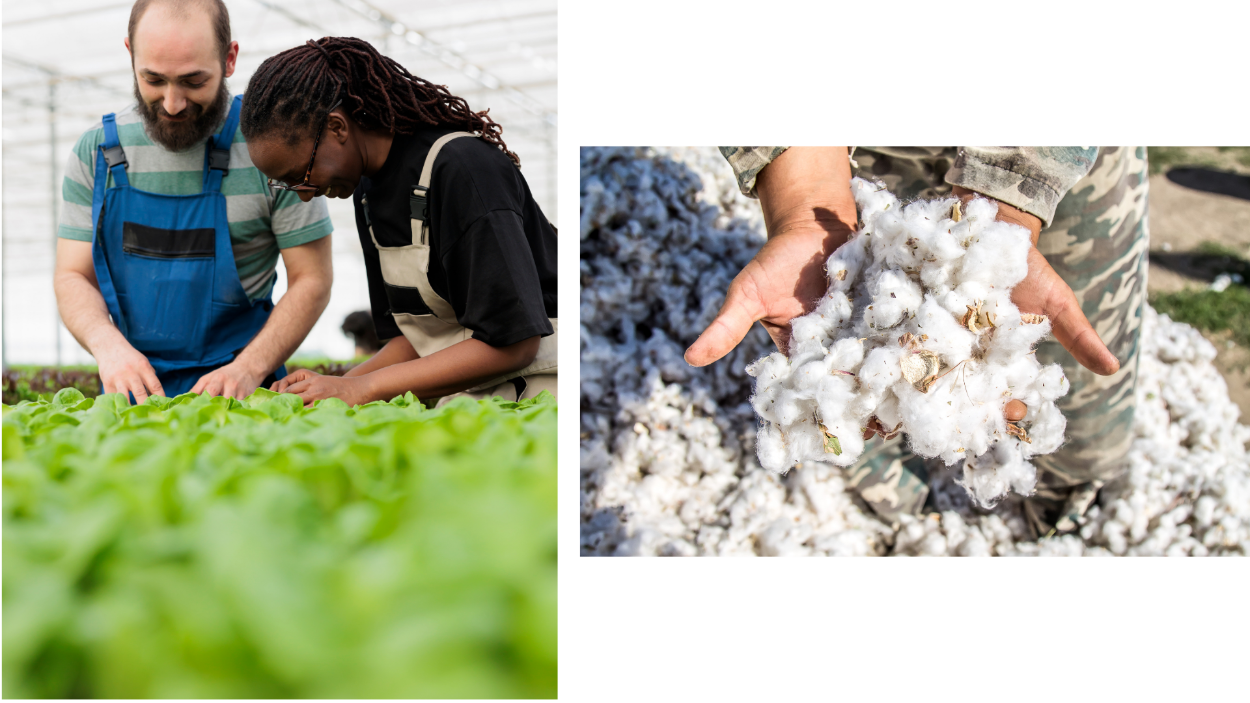
Slightly further upstream, where raw materials are transformed into textiles sit organisations such as Resham Sutra. The social enterprise has developed solar-powered silk reeling that not only reduces the power used in weaving silk textiles but also increases the productivity of rural women in India. This could allow them the potential to earn more money working hours whilst putting environmental and human well-being on an equal footing.
What encapsulates all of the solutions in the prioritisation of people. It is clear that when we safeguard the economic prosperity and well-being of individuals in these roles, sustainable impact is a by-product.
From fabric to fashion
And this speaks to the essential need for financial literacy and empowerment for garment workers.
Agam International is a Fintech solution for garment workers in Bangladesh — a region that relies on garment production economically. Agam provides nano-loans with the support of partner brands who understand the need to uplift these key workers as human beings, not cogs in production machines, and probably recognise that this leads to better brand reputation and profitability.
Earlier this year ACT – an agreement between brands, retailers, and trade unions to achieve living wages for garment, textile and footwear workers – announced a groundbreaking individual binding agreements in Cambodia. The approach of introducing wage scales allows for more workers to operate in more stable environments and develop their skills, in addition to factories being able to compete on factors outside of pricing, such as product innovation, quality, and longevity. Qualities that more sustainable garments are built upon.
While these are positive examples moving us in the right direction, it is shocking to be reminded that 11 years on from the Rana Plaza disaster, human rights abuses are still prevalent in factories across the globe. Just last month, Shein admitted to finding child labour in their supply chain, reflecting the fundamental need for collective bargaining agreements in the fashion industry and transparency in their operations.
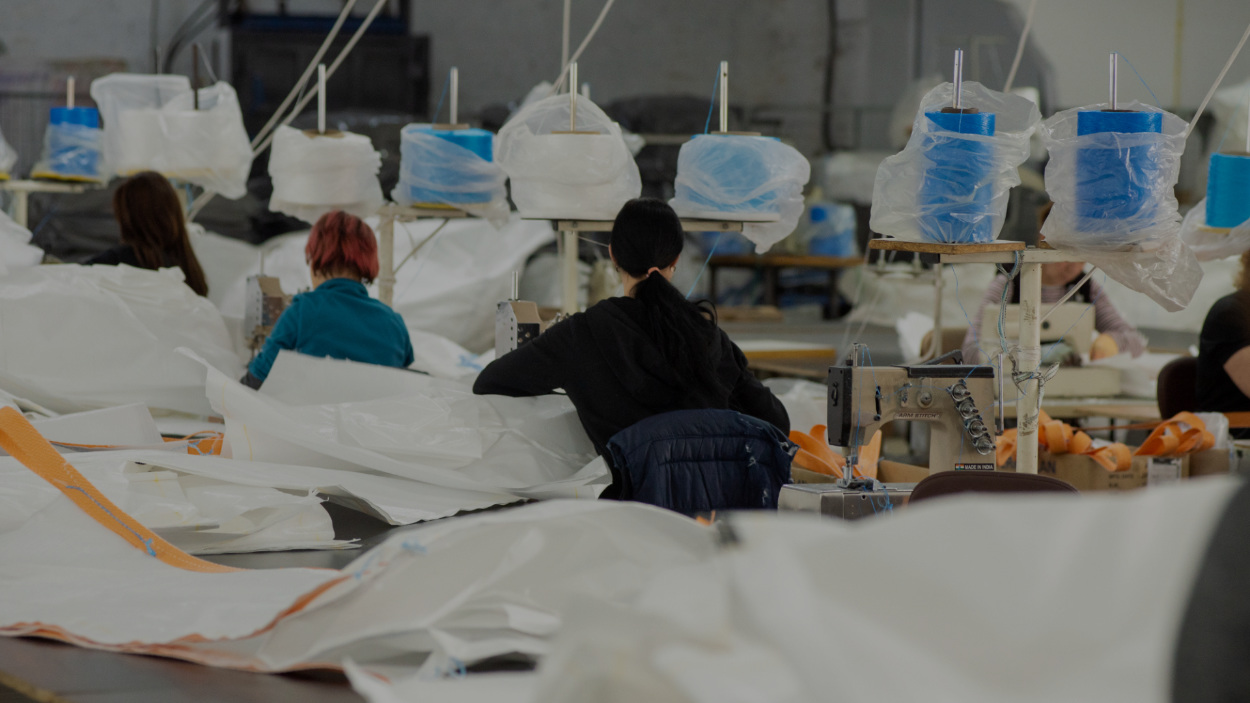
Technology can be a powerful tool in the fight against such illegal practices. Supply Trace and a brace of similar solutions, for example, claim to track goods from companies to regions with high risks of forced labour. Platforms like this combine machine learning and on-the-ground data to build correlations that signpost to such practices.
Uncovering these environments is paramount to ensuring workers are treated with the baseline conditions that any human being deserves. Garment workers continue to report toxic levels of chemicals, improper equipment and machinery, and attempts to undermine their freedom of speech. This makes solutions like WOVO essential — the platform connects workers, suppliers, and buyers, allowing for transparent and, when needed, anonymous communication.
From warehouse to home
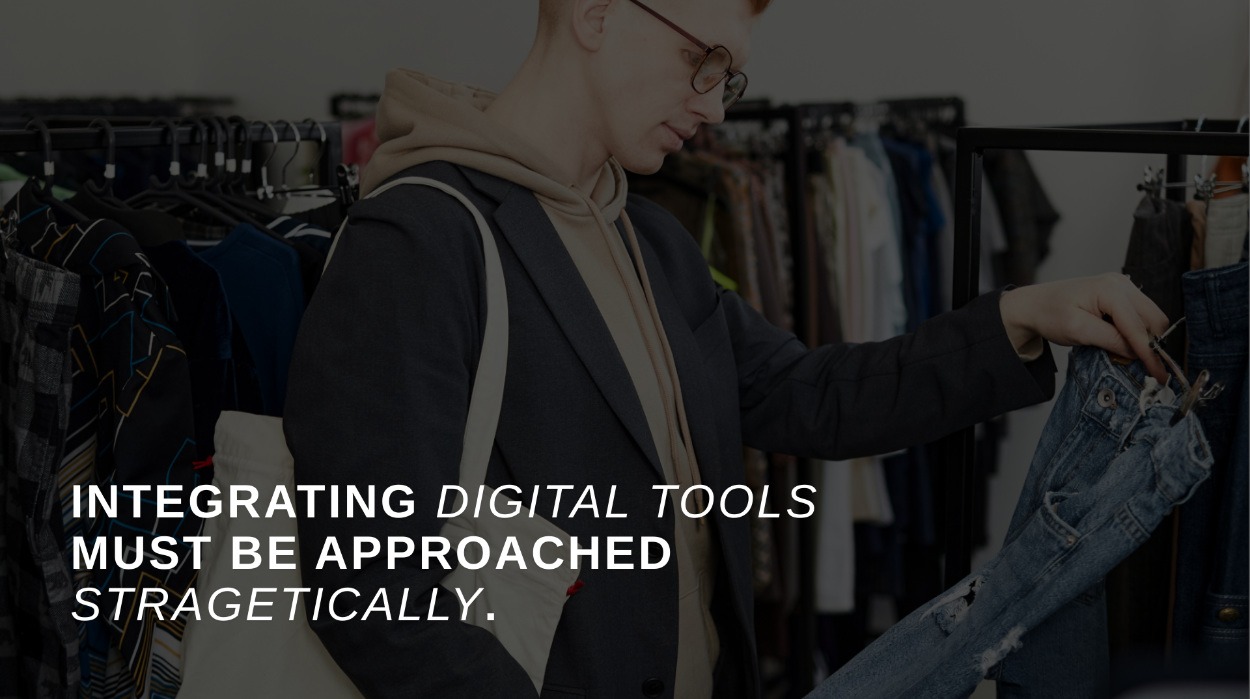
Integrating digital tools, however, must be approached strategically. Last year, warehouse workers ironically described working conditions as non-human, as AI is increasingly used to monitor and measure employee performance.
While introducing technology in distribution clearly benefits businesses, the relationship between workers and these digital tools will be most important for success. With warehouse employees having high turnover rates – 46.1% in the US – this will be a challenge, especially as retailers move towards greener warehouse practices.
Skilled and experienced workers will become increasingly necessary within operational strategies to reduce emissions upstream making it fundamental that retailers begin making these more desirable places to work.
Upskilling on the path to empowerment
So why aren’t these solutions being embedded more widely?
I could spend hours attempting to unpick the inner workings of the polarity between a brand’s planet and people-focused strategies, but in the simplest terms possible – it comes down to the need for investment, whether financial, operational, or the resource of upskilling key workers.
Owen Hewlett, Chief Technical Officer at The Gold Standard Foundation – a certification of numerous methodologies, guidelines, requirements and rules used to measure and report on the positive impact of climate and development initiatives – explains their stance, “GS seeks to foster and support innovation rather than to prescribe. It is important to maintain access for all participants, however, including those for whom advanced technologies may not yet be available.”

When fair access is a fundamental component of empowering fashion workers, businesses and organisations must invest in upskilling as a vital tool supporting garment workers to navigate environmental hurdles through technology. Closing the skills gap will become increasingly essential for brands if they are to begin designing their way out of the climate crisis.
H&M foundation has recently taken action by working with Shimmy Technologies to enhance the digital abilities of female garment workers. Not shying away from the harsh truths of a more digitised and automated future supply chain, the brand’s choice to empower these workers is a refreshing approach to advancing their supply chain alongside people.
Creating change
The need for more upfront investment speaks to the focus and prioritisation of profit within the fashion industry. Many businesses may need increased and more immediate ROI to shift towards such practices and initiatives.
New regulations, however, are beginning to make sustainable and ethical practices legal requirements, leading to a shift in industry responsibility for Scope 3 emissions. This could eventually incentivise brands to invest in their broader ecosystems of their supply chains.
We’ve already passed the point of expecting consumers to take on the responsibility of campaigning for more ethical practices with their spending habits. While sustainability is a desirable and deciding factor for many customers, we cannot put the onus on consumers to make better decisions when brands offer up temptation on a plate laced with aspirational promises at low prices.
Consumers are awake to the consequences of buying fast fashion, yet, brands such as Shein — whose business model is to undercut the competition on price — have seen their profits soar this year.
This is an uncomfortable yet unsurprising aspect of fast fashion; just take a look at the thinly veiled SNL skit featuring Jake Gyllenhal that pokes fun at the unethical practices that take place within the Chinese fashion giant “Xiemu”. As someone with an avid interest in consumer behaviour, I am fascinated by the farcical reality it represents.

Many of us can lament fast fashion practices in one sentence, then swiftly move on, considering what we will inevitably buy from them in the next.
Maybe it’s because consumers feel dissonance with practices taking place outside of their own experiences as they struggle to make ends meet within a cost-of-living crisis. The thought of luxury on a budget is often too enticing to ignore. A recent report found that adults living in the least deprived areas of England were more likely to report having made some changes to their lifestyle to tackle climate change (70%) than those in the most deprived areas (55%).
Perhaps there is a misdirection of trust consumers have with brands to rule out archaic practices like slavery and child labour. Or maybe we expect the laws, legislations, and regulations of the 21st century to restrict such practices.
While the burgeoning number of tech solutions providing opportunities for empowerment are positive, it will take pressure from policy-makers, legislators, and governments to catalyse change – and brands take action.
But I believe there must be a balance between a personalised and nuanced approach underpinned by the standardisation of laws and regulations that allow brands to operate within their own contexts.
Hewlett, elaborates on the need for a personalised approach: “…different sectors contribute to the climate crises in different ways, have different transitional priorities and contribute to other areas of development and security in different ways. Recognising these differences as well as interpreting accounting and target setting rules in a way that is understandable by different sectors is important to both uptake and ambition.” It is essential that brands view their supply chains as living, breathing systems made up of very real people and ever-changing scenarios if supply chains are to be safeguarded.
As we edge towards 2025, it’s almost unbelievable that human rights abuse is still happening and the people that contribute to the production and distribution of our clothes are overlooked. One thing is for certain: accountability from brands cannot come quickly enough and disruptive change will need to arrive swiftly
The fashion industry must educate farmers to use new technologies, enable weavers to work more productively, give garment workers a voice, and use automation alongside warehouse employees on the journey to saving the planet.