
Key Takeaways:
- Water scarcity and pollution are not abstract sustainability issues but immediate supply-chain and business risks for fashion, with direct consequences for production stability, costs, human rights and long-term resilience.
- Reporting, audits and compliance frameworks alone do not deliver water justice; meaningful progress depends on investment, accountability and locally grounded action that addresses water impacts where production actually happens.
When the United Nations warned that the world has entered an era of global water bankruptcy, it was not making a distant or abstract claim. Water systems are being depleted and polluted faster than they can recover, with consequences for public health, social stability and economic resilience. For the fashion industry, this crisis is already embedded in how our clothes are made.
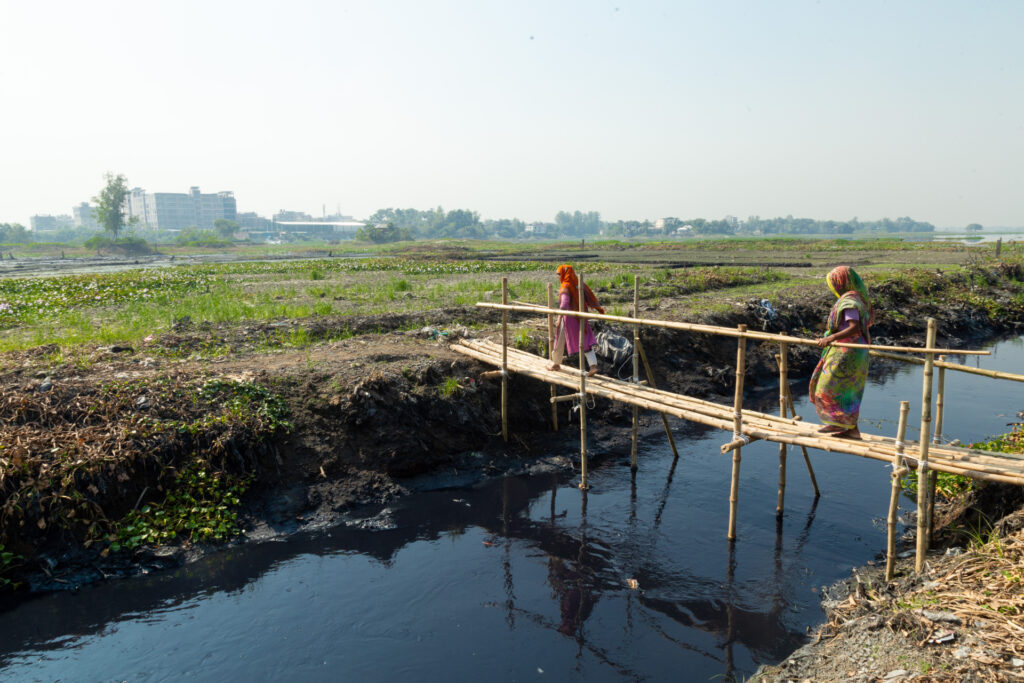
Water underpins nearly every stage of textile production, from cotton cultivation to dyeing and finishing. Yet despite this dependence, water is still treated as secondary to carbon in most sustainability strategies – if addressed at all. Targets are set and reports published, but in many textile producing regions the reality is contaminated rivers, falling groundwater tables and communities competing with industry for safe water.
This gap between corporate ambition and lived impact is no longer sustainable. Water is not only an environmental concern, but a supply chain risk, a human rights issue and, increasingly, a material business risk.
This gap between ambition and reality is no longer sustainable. Water justice is not a niche environmental issue. It is urgent, it is solvable, and it must sit at the centre of how the fashion industry defines sustainability, resilience and responsibility.
Water risk is supply chain risk
By 2050, around 75 percent of apparel and textile production sites are expected to face high to extreme water stress. Many of the regions that underpin global fashion supply chains are already there. Pakistan, India, Bangladesh and parts of China face acute water scarcity, chronic pollution and intensifying climate impacts.

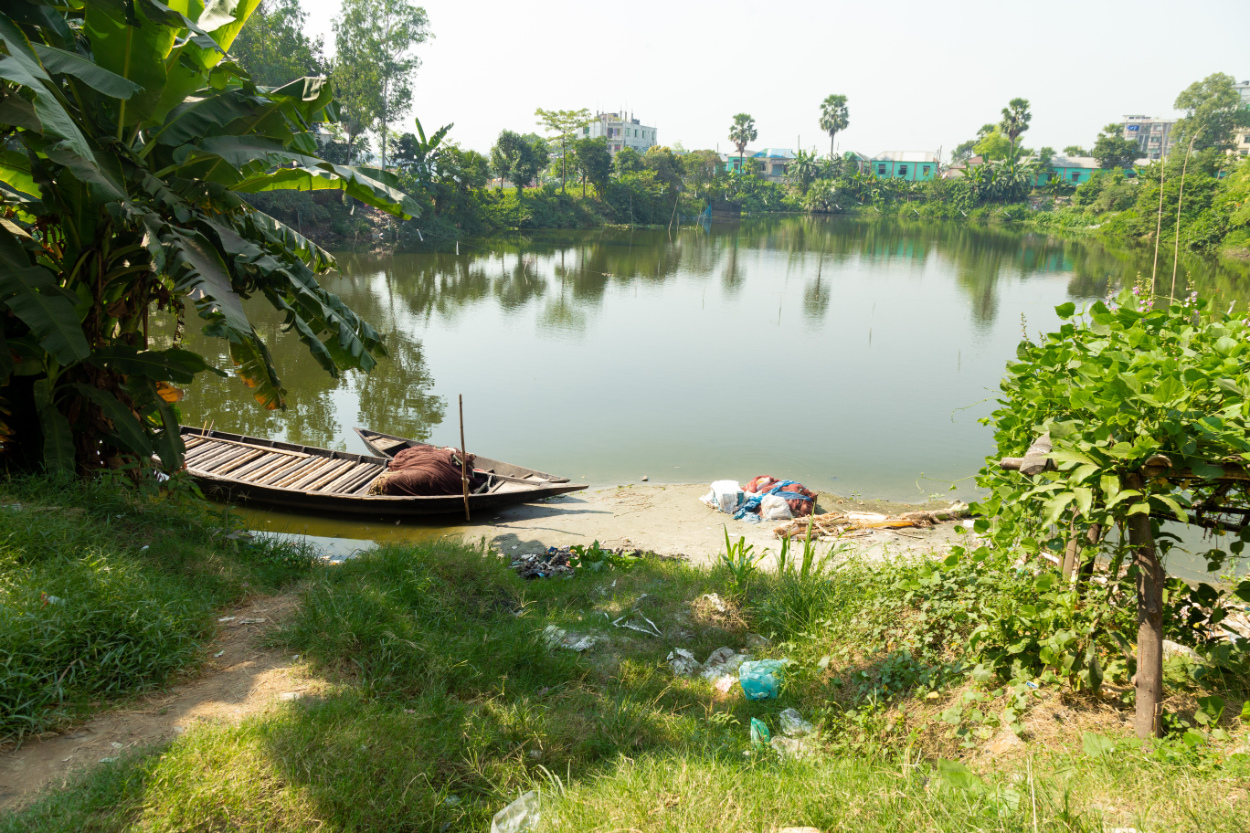
Fashion uses an estimated 79 to 93 billion cubic metres of water every year, around four percent of global freshwater withdrawals. Impacts on water are the textile industry’s most relevant environmental risk. These figures are familiar. What is discussed far less is what they mean for the people living alongside production.
In Pakistan, around two thirds of the population lacks access to safe drinking water. In parts of the country, nearly half of children suffer from water-borne illness. In Bangladesh, polluted rivers and contaminated groundwater have contributed to long-term public health crises in textile producing communities. This is the result of water costs being externalised onto workers, communities and ecosystems.
From a business perspective, the implications should be clear. Water stress disrupts production, raises costs, destabilises sourcing regions and increases regulatory and reputational risk. Climate change is accelerating these pressures. In 2022, a severe drought caused China’s largest freshwater lake to shrink dramatically, directly affecting cotton production and resulting in billions in losses. Similar dynamics are playing out across South Asia.
Relocating production is not a solution. Water risk is becoming widespread rather than exceptional. long-term resilience depends on addressing these risks where production already happens.
Why compliance does not deliver water justice
In recent years, regulatory frameworks such as the EU’s Corporate Sustainability Reporting Directive and Corporate Sustainability Due Diligence Directive have aimed to strengthen corporate accountability. Mandatory reporting and due diligence matter. But compliance alone does not deliver water justice, nor does it guarantee change on the ground.
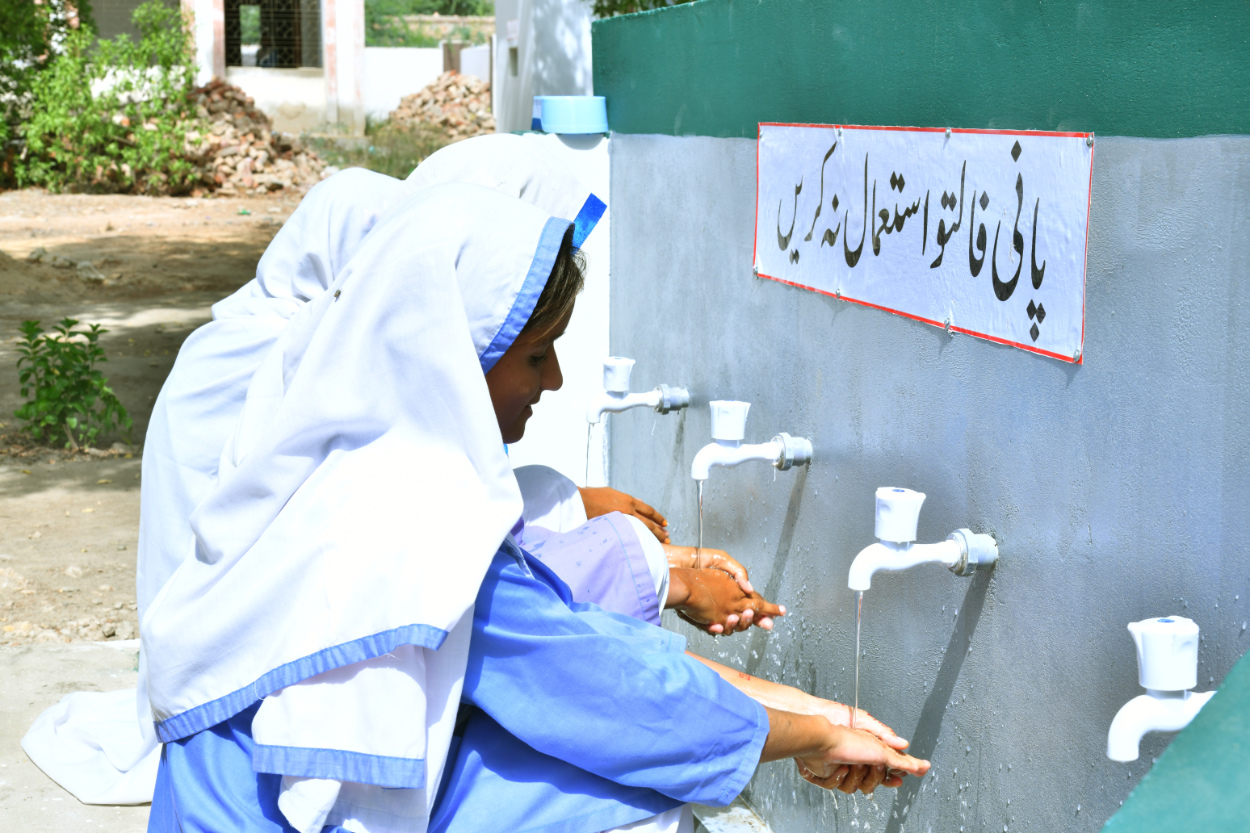
We see this repeatedly. A factory passes an audit. The effluent treatment plant is installed. Documentation looks correct. Yet once the audit ends, the system is switched off because operating costs are too high and not reflected in buying prices. Untreated wastewater flows back into rivers used by workers and nearby communities.
This is a failure of incentives and accountability. When due diligence is treated as a box ticking exercise, its impact will always be limited. Meaningful due diligence depends on motivation. It requires companies to confront uncomfortable realities in their supply chains and take responsibility for what they uncover.
Recent political developments highlight this fragility. Efforts to weaken due diligence legislation show how quickly ambition can be diluted. Regulation is necessary, but it is not sufficient. Waiting for perfect legislation before acting on water risks will only deepen the crisis.
Water justice requires moving beyond minimum compliance towards action that is measurable, achievable and rooted in supply-chain realities. The tools exist. The knowledge exists. What is often missing is the decision to treat water as a priority rather than a footnote and proper funding.
Water is often framed as a resource to be managed efficiently. This framing misses its social dimension. Water is shared. When it is polluted or over-extracted by industry, the consequences are borne first by those living closest to production.
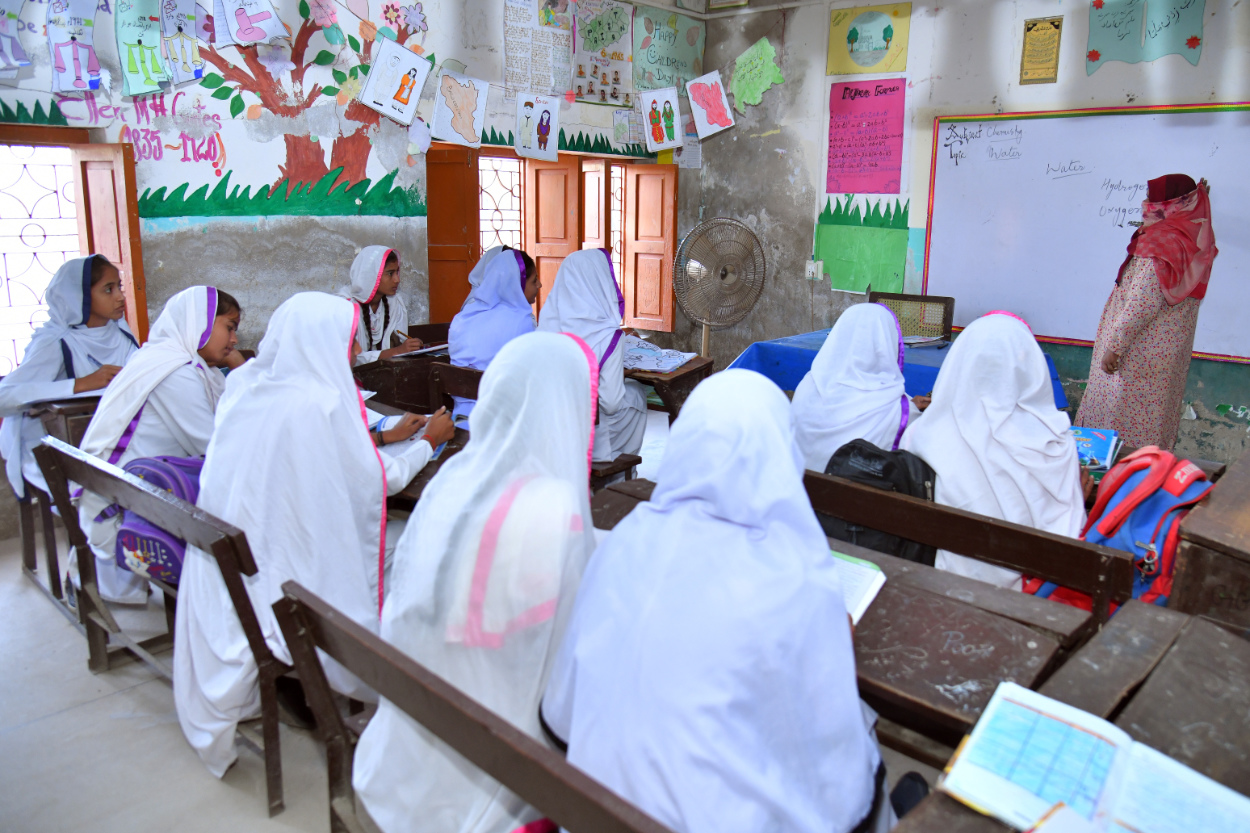
These impacts are deeply gendered. Women make up the majority of garment workers globally and are typically responsible for securing water at household level. When water sources are contaminated or sanitation is inadequate, women and girls face increased unpaid labour, health risks and lost education. Without safe toilets and clean water, many girls miss school during menstruation, with long-term consequences for opportunity and income.
Microfibre pollution adds another layer of risk. Synthetic textiles are responsible for a significant share of microplastics entering oceans each year. These fibres absorb toxins, accumulate in marine life and enter food systems. Fashion’s water pollution is therefore not only an environmental issue, but a public health concern with long-term risks that remain poorly understood.
Addressing these realities requires a shift away from narrow efficiency metrics towards water stewardship that recognises shared responsibility between businesses, communities and ecosystems.
What water stewardship looks like
At drip by drip, we work at the intersection of water, fashion and human rights. Our approach starts from a simple premise: credible water action must address risks at source and be shaped by local context.
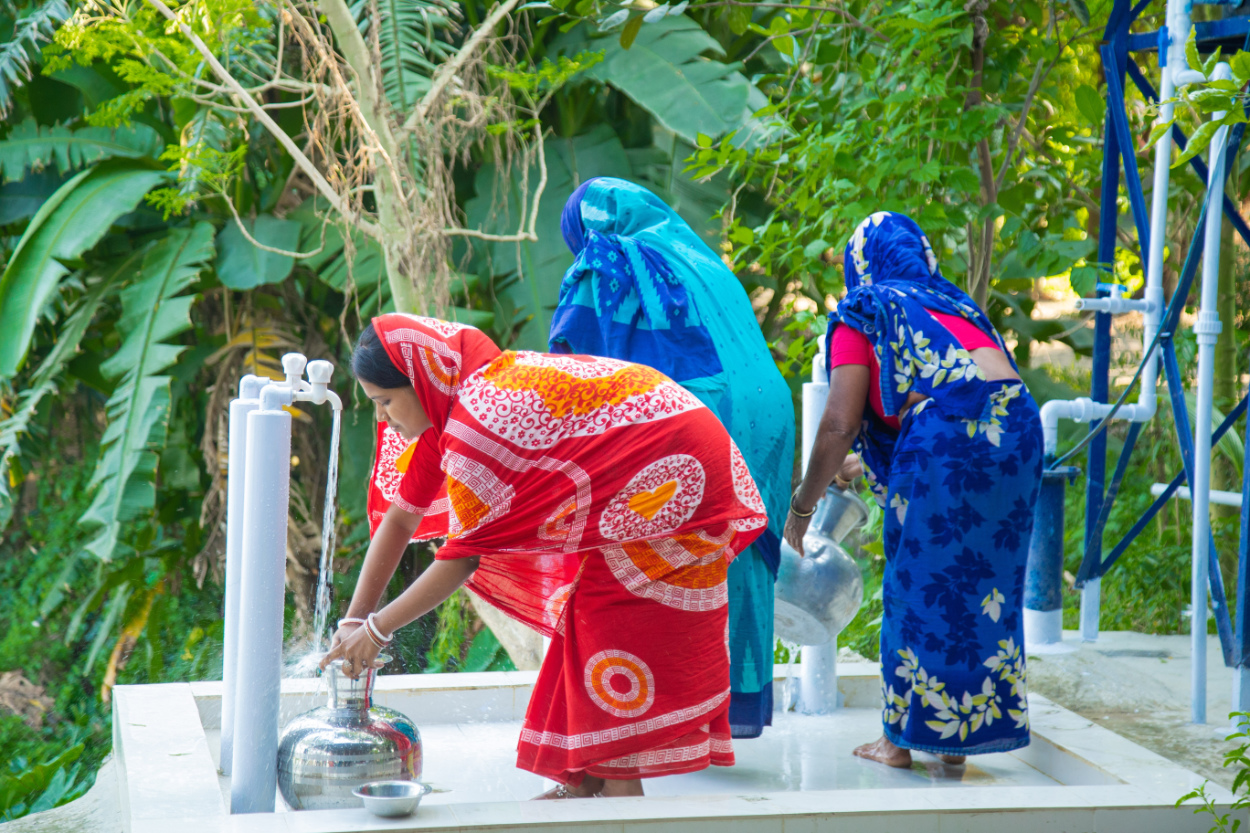
Since 2022, our projects have provided over 87,000 people with access to clean water and enabled more than 300,000 treatments for water-borne diseases. These are measurable outcomes that translate directly into health, dignity and resilience.
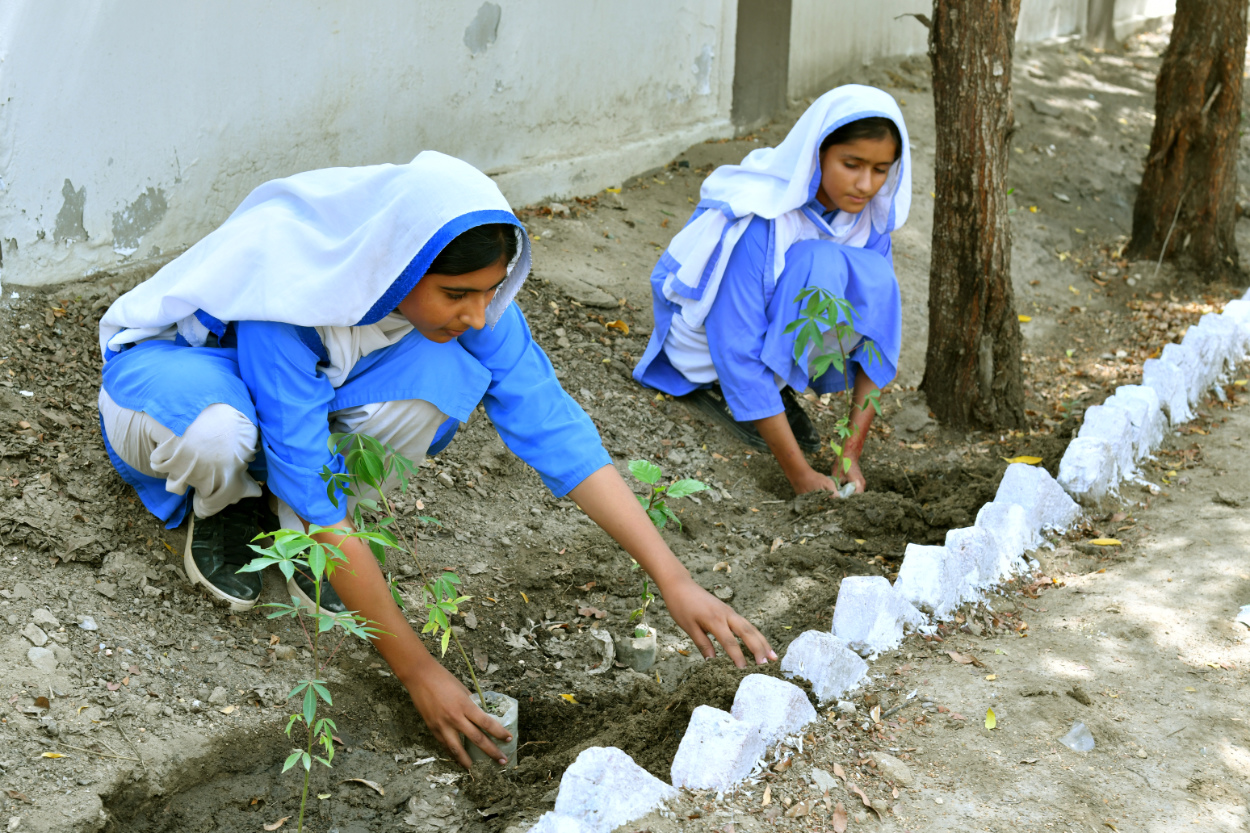
In Pakistan, we partnered with brands including Beechfield Brands and SNOCKS to co-fund a WASH in Schools programme across 50 schools in textile linked communities. The project delivered water filtration systems, toilets and handwashing facilities, reaching more than 19,800 students and teachers. School attendance improved, illness decreased, and hygiene awareness increased across communities.
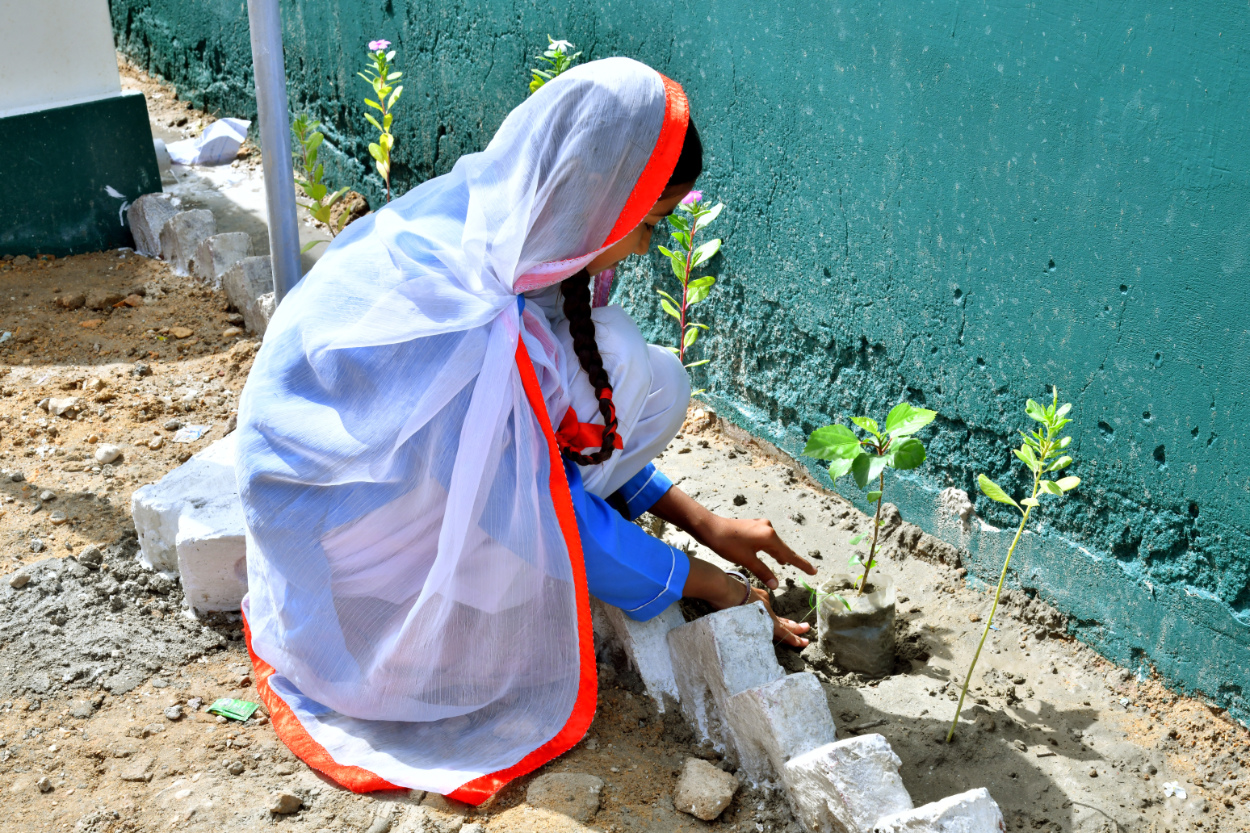
These interventions demonstrate that water justice is not abstract or aspirational. It is achievable when brands, suppliers and local organisations work together, and when ambition is matched with investment and accountability.
Parents told us their children had previously avoided school because toilets were unsafe or unusable. Teachers described reductions in illness and a broader shift in attitudes towards cleanliness and water protection. These interventions may appear small in the context of global supply chains, but their impact is profound for those affected.
In Bangladesh, our work with Stanley Stella and local organisation Agroho supports a mobile hospital providing free healthcare to garment worker communities. The programme addressed immediate health needs linked to water contamination while strengthening trust between brands, suppliers and communities.
Crucially, these projects also generate robust data that supports ESG reporting and due diligence. They show that addressing water risk strengthens, rather than undermines, corporate sustainability commitments.
The transparency gap
Despite growing awareness, fashion’s most water intensive impacts remain hidden. Disclosure typically stops at Tier 1 suppliers, while processes such as spinning, dyeing, finishing and raw material production remain opaque. However, this is where water use and pollution peak.
Only a small share of brands disclose water impacts at raw material level. While many publish Tier 1 supplier lists, far fewer make this data openly accessible. This opacity limits accountability and constrains effective action.
Supply chain data is largely controlled by brands in the Global North, while the costs of water degradation are borne by workers and communities in the Global South. A just approach to transparency must challenge this imbalance. Data should not only serve investors and auditors. It must also serve those living with the consequences of industrial water use.
Transparency becomes meaningful when it enables accountability, participation and locally led solutions, rather than functioning as a reputational shield.
From reporting to responsibility
When water justice is embedded at the heart of sustainability strategy, it can reshape sourcing decisions, supplier relationships and investment priorities. In countries such as Bangladesh, this shift has the potential to drive tangible improvements across operations and supply-chain partners, rather than isolated pilot projects.
There is growing recognition that water risk is business risk. Consumers increasingly expect credible environmental performance, while governments are exploring stronger water governance and investors are scrutinising exposure to environmental and social risk.
Yet many corporate water strategies remain focused on reporting rather than action. The targets exist on paper, but meaningful investment lags behind. Policies are written, but conditions on the ground remain unchanged.
Progress requires a shift in mindset. Therefore water stewardship must be integrated into sourcing strategies, pricing structures and long-term planning. Suppliers need support to operate responsibly, rather than being penalised for systemic failures, and brands must invest in community level interventions that address root causes, not just symptoms.
Partners we work with consistently report that water projects strengthen credibility precisely because they are rooted in supply chain realities rather than abstract commitments. Employee engagement improves. Supplier relationships deepen. Reporting becomes more defensible because it reflects tangible outcomes.
A call to act now
Water is fashion’s blind spot, but it does not have to remain so. The data is available. The impacts are measurable. What is missing is the will to move beyond minimum requirements and take responsibility for the industry’s full water footprint.
This is the moment to act.
For brands, that means treating water as central to ESG, human rights due diligence and climate strategy. For regulators, it means resisting the dilution of accountability frameworks and recognising water as a core social issue. For civil society and industry platforms, it means demanding transparency that redistributes power and voice.
At drip by drip, we will continue to translate commitments into action alongside brands, suppliers and local partners. But the scale of the challenge demands collective effort. Water is not infinite, and the communities bearing the costs of fashion’s water use cannot wait any longer.
If the industry is serious about resilience, justice and long-term viability, water can no longer be treated as a footnote. It must be recognised as the foundation it truly is. Water justice is urgent. It is solvable. And it must now sit at the centre of the industry’s future.
For brands, this means integrating water justice into core sustainability and due diligence strategies. For suppliers, it means being supported, not penalised, to operate responsibly. For standards bodies, media and industry platforms, it means keeping water at the centre of the conversation and backing solutions that work.
The choice is clear. Act now, or accept growing risk, instability and harm. If fashion wants credibility and long-term viability, water cannot be an add-on. It must be treated as foundational.