
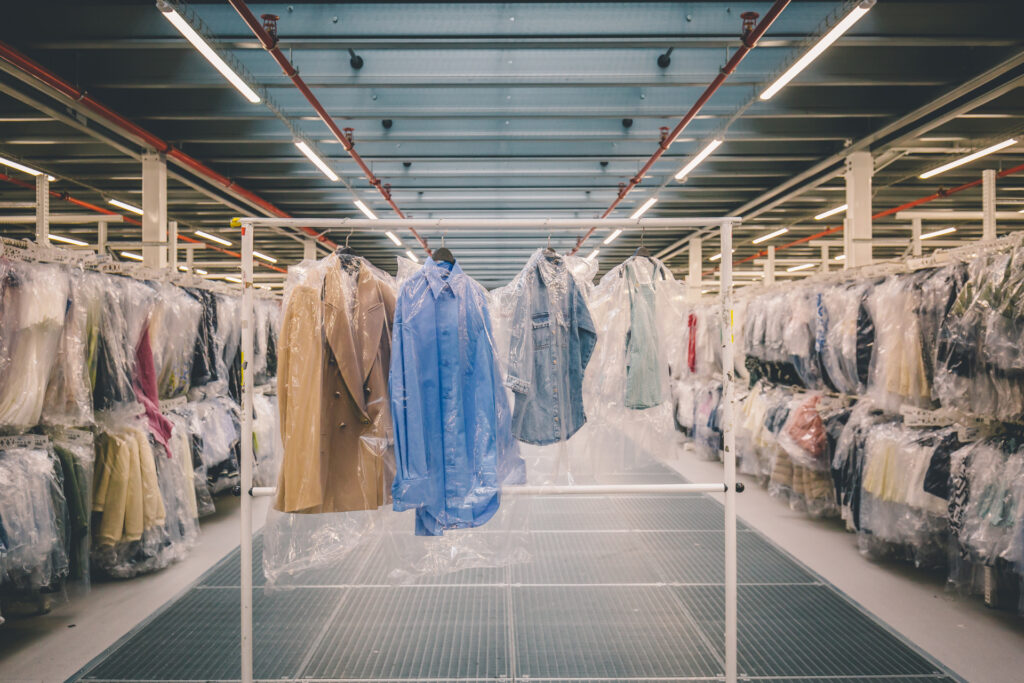
Key Takeaways:
- Consumer expectations around personalisation, delivery speed, and sustainability seem to have shifted significantly, and the brands best positioned to meet them may be those that have redesigned their operations rather than simply digitised existing ones.
- AI’s potential as a supply chain differentiator is widely acknowledged, but there may be a gap between ambition and execution — with the greatest returns coming to those who have moved beyond point solutions toward end-to-end process integration.
- Perhaps most notably for a sector built on intangible value, operational excellence in luxury is no longer a back-end concern — the supply chain, from fulfilment to delivery, is increasingly part of the brand experience itself.
Luxury fashion and beauty supply chains are shifting from reacting to demand to predicting it, leading the move toward a more anticipatory operating model. For decades, the industry has worked to a linear, reactive model, held back by fragmented data and limited visibility. Today, it is being replaced by a connected, data-driven ecosystem where forecasting, fulfilment, and adaptation are dynamically linked, enabling brands to predict and shape demand rather than simply respond to it.
Consumer expectations have changed: 71% of luxury buyers now want personalised experiences, and more than half expect faster, flexible delivery. At the same time, 75% have adopted new shopping habits, such as online purchases, and most plan to continue. Ongoing supply chain disruptions and margin pressures are prompting brands to redesign their operations.
Brands are no longer asking how to digitise existing processes. They are asking how to redesign them entirely. The shift is not simply technological, it’s strategic. It is about building supply chains that are agile enough to respond to volatility, predictive enough to stay ahead of demand, and personalised enough to meet increasingly demanding customer expectations. Ultimately, businesses must rethink their operating models to remain competitive.

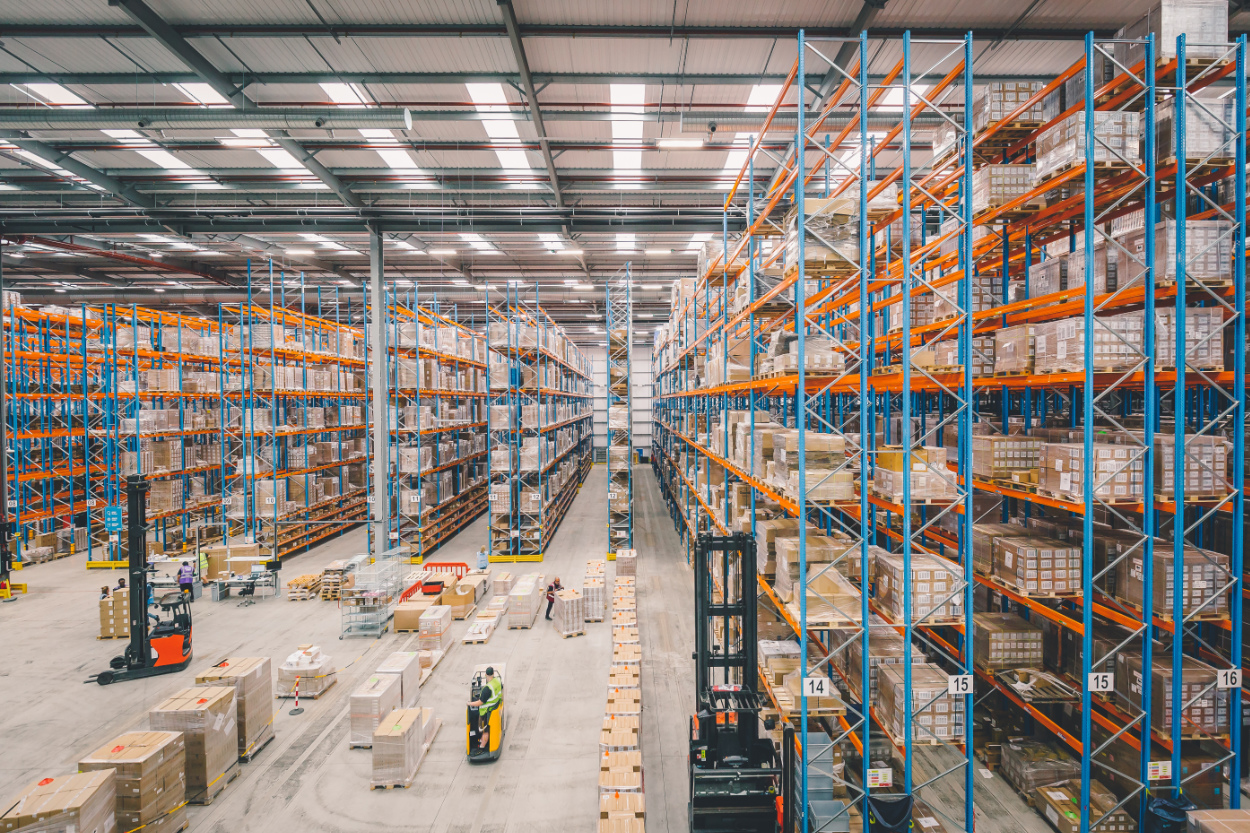
From linear to living systems
The most significant change is the move from sequential supply chains to what can be described as living systems. These systems are continuously fed by real-time data, from online browsing behaviour and point-of-sale signals to returns patterns and regional demand fluctuations. When paired with AI and intelligent automation, this data helps brands to detect demand earlier, alter inventory positions more quickly, and align supply with current market signals rather than static, assumption-based estimates. By turning supply chains into living systems, brands can detect real-time demand signals in tier-2 Chinese cities or among social commerce shoppers in the US and Middle East, enabling the regional differentiation and proximity to new customer cohorts highlighted as a critical operational shift in our latest study.
This is key in luxury fashion and beauty, where trends are volatile and product lifecycles are short. Traditional forecasting models, which primarily rely on last season’s data, are just too slow to react. Meanwhile, AI-powered demand sensing models can integrate thousands of variables in near real time, enhancing forecast accuracy while minimising overproduction and markdown risk.
Recent demand shifts are evident in trends such as luxury handbag revivals and rapid increases in skincare product sales. Viral social media moments can cause global demand spikes within days, revealing the shortcomings of traditional planning cycles and underscoring the need for real-time responsiveness.
AI as a driver of differentiation
AI has emerged as a leading driver of brand differentiation. By 2030, 70% of large organisations are expected to adopt AI-driven forecasting. However, many retailers still see limited returns because AI is often deployed as point solutions. It optimises individual tasks while the wider process remains fragmented.
As a result, value is often lost in the handovers between systems, teams, and processes.
The next phase of differentiation will come from moving beyond isolated use cases toward end-to-end, AI-enabled process networks. Here, AI orchestrates decisions across entire workflows, connecting forecasting, inventory, fulfilment, and delivery into a coordinated system. Unlike high-street and fast-fashion brands that operate in high-volume, fast-paced environments, luxury brands prioritise control, exclusivity and service consistency. In this context, AI is deployed to enhance precision and elevate customer experience. From white-glove delivery to highly accurate inventory visibility, creating the seamless, hyper-personalised experiences that turn AI from a back-end tool into a powerful driver of customer loyalty and brand differentiation. The emphasis is less on speed at scale and more on seamless execution.

While the underlying goal remains turning data into actionable intelligence, in luxury the focus is firmly on protecting brand equity and delivering a differentiated experience. Operational excellence is increasingly shaped by ESG performance, 48% of U.S. buyers and 57% of Chinese luxury consumers are willing to pay more for environmentally friendly products.
Redefining digital agility
AI delivers the insight, and digital agility turns it into real-time action. As volatility rises, agility is increasingly what sets leading brands apart.
Brands setting the pace today are those that can rapidly reconfigure their operations based on changing conditions, whether that is a sudden spike in demand, a supply disruption, or a shift in consumer behaviour. This requires end-to-end visibility, modular technology architectures, and the ability to orchestrate decisions across the entire supply chain.
Leading businesses are setting new milestones in areas like real-time inventory insight, dynamic order orchestration, and flawless omnichannel fulfilment. These capabilities enable them to transition from reactive measures to proactive optimisation. They eliminate stockouts, surplus inventory, and increase customer satisfaction all at the same time.
From insight to impact with intelligent networks
As supply chains become more predictive, the next hurdle is execution. It means turning insight into coordinated action across complex global networks.
For example, predictive models that anticipate regional demand variations can allow goods to be pre-positioned closer to the end customer, decreasing delivery times and costs. Intelligent automation in warehouses can improve picking efficiency and accuracy, especially during busy periods. AI-powered decision engines can prioritise orders dynamically based on consumer value, delivery promise, and operational restrictions.
Brands increasingly leverage advanced capabilities, such as virtual replicas of supply chains, known as digital twins, to simulate different demand and disruption scenarios before making operational decisions. While intelligent fulfilment networks enable real-time order routing based on inventory availability, delivery speed, cost, and even carbon impact.
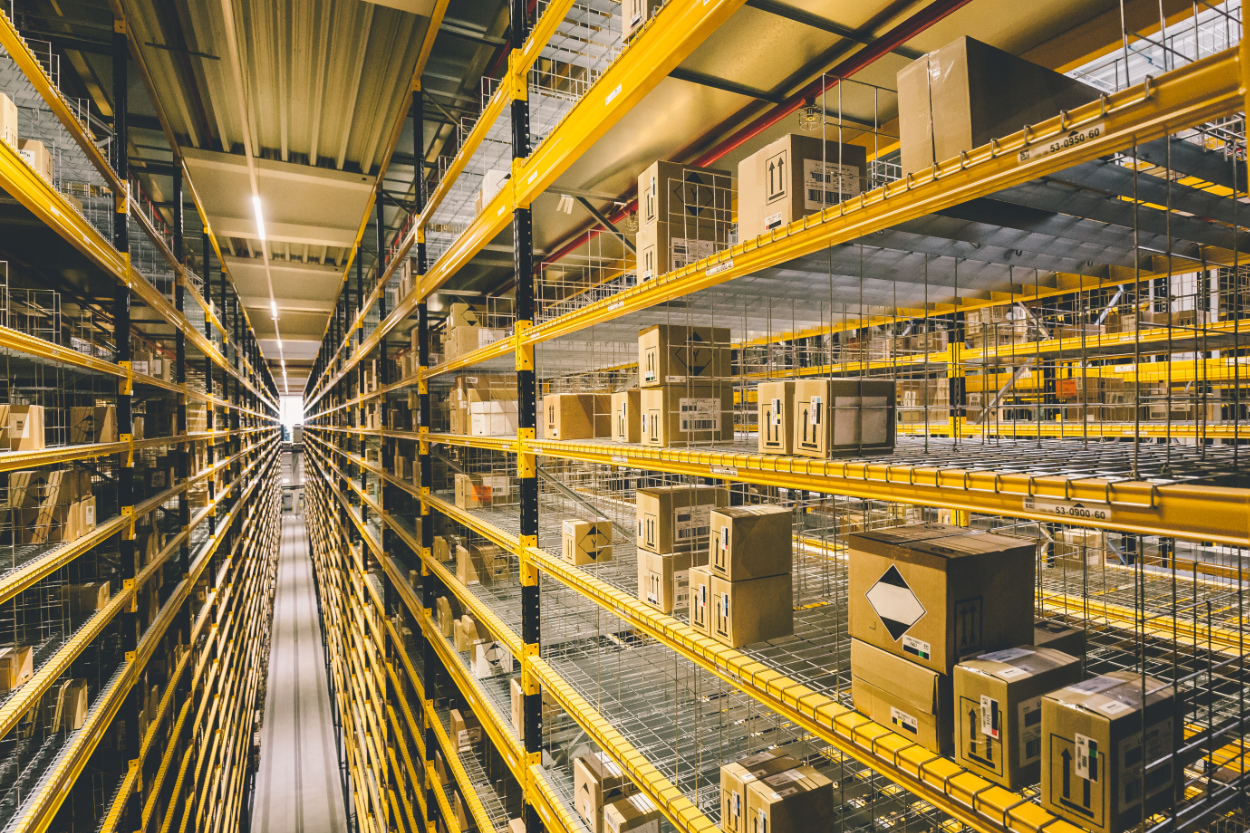
In practice, we have seen these technologies deliver measurable gains that include improved forecast accuracy, reduced fulfilment lead times, lower return rates, and more efficient use of working capital. However, these are not isolated advances. They build across the supply chain, resulting in a more resilient and responsive operational structure.
Turning transformation into reality
For luxury and beauty brands, the opportunity is clear, but so is the challenge. The transformation is not just about adopting new tools. It is about integrating them into a cohesive operating model that delivers tangible business outcomes.
Fundamentally, it is also about the end customer. In luxury, the supply chain is no longer invisible, but instead an extension of the brand experience itself. From personalised delivery windows to premium packaging and seamless returns, operational excellence directly shapes customer perception, loyalty, and lifetime value.
This is where the role of a strategic partner becomes critical.