
In fashion we tend to think of AI as an output-generator; image generation, insights, and analysis are primary use cases in-house for brands and retailers, and downstream, as products get closer to consumers. Fewer column inches are spent on the impact it can potentially have upstream, as a way of obtaining greater visibility and control over existing hardware and infrastructure, or as a component of new connected production, inspection, and distribution networks.
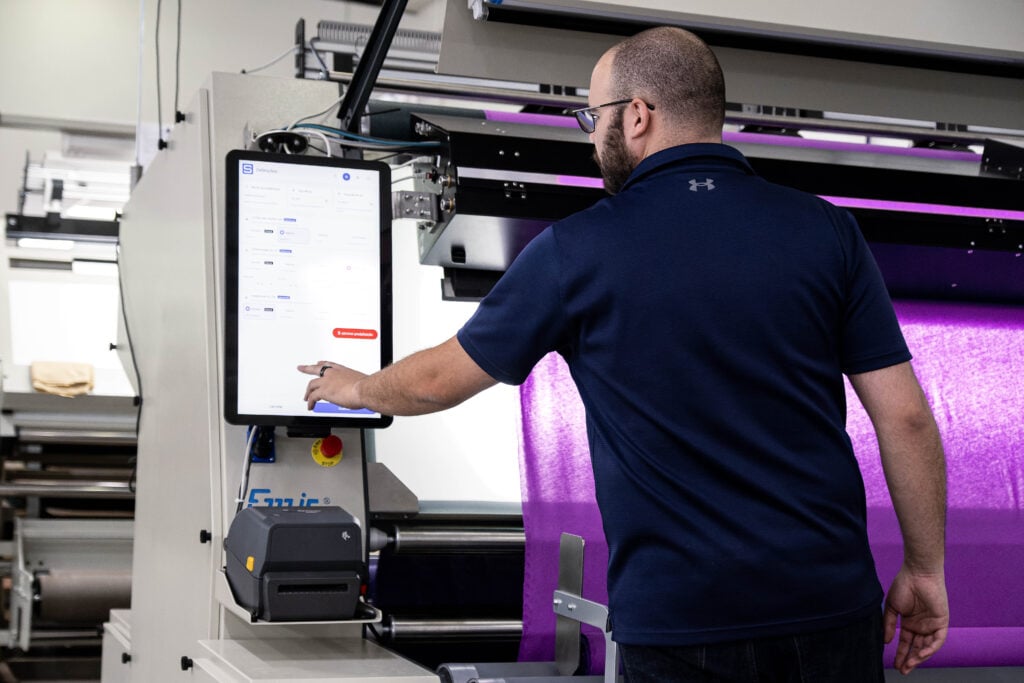
That is the opportunity behind Smartex.ai’s appointment of Tony Fadell as chairman. The Nest founder, whose original claim to fame was leading the teams behind the iPod and iPhone, has also co-designed Inspect, the hardware component of the company’s new fabric inspection system. Paired with IQ software, it is intended to give mills, garment factories and brands a shared view of fabric quality before material ships. Its industry debut is planned for SmartCollab Hong Kong on 27 November.
Fadell has seen the potential to add technology to familiar equipment to achieve new objectives before. Nest’s first thermostat arrived in 2011, helping to establish the modern smart home ecosystem around an object that had attracted little consumer excitement beforehand. (The Interline team does contain some people who like thermostats, but even they recognise that Nest was a watershed moment for the connected home tsunami that came afterwards).
In a textile mill, Smartex’s bet is that a similar sea-change could happen if AI is capable of seeing the fabric. Smartex says Inspect uses its own cameras, sensors and AI on inspection machines customers already own. Its fact sheet describes recording defects and their position on a roll, measuring shade, and passing evidence into IQ’s batch and purchase-order quality reports.
(We note that this is by no means the only attempt to point AI at fabric quality inspection, in textiles or leathers.)
The Interline covered Smartex’s Modern Textile Factory Committee in 2024, when its focus was on connecting data across supply-chain tiers. Inspect and IQ seem to be applying that ambition to a specific task: capturing quality evidence at the machine. A defect record tied to a roll and order could help a mill and factory resolve a quality question using a shared evidence base.
More broadly, Fadell’s involvement and appointment reinforces the case for taking fashion’s physical processes seriously as technology problems – and especially as targets for AI.