
Key Takeaways:
- Gen Z’s purchase journey – discovery on TikTok, validation in-store, and conversion online – is moving increasingly outside of traditional channels.
- Physical activations, pop-ups and in-store experiences are no longer awareness exercises in isolation. For fashion brands, they might represent the most underleveraged entry point into first-party data collection and long-term customer retention — but only if they are connected to a wider digital infrastructure.
- First-party data is becoming fashion’s most contested resource, and Gen Z is its most valuable source. The brands that will win this exchange are those designing experiences around ongoing participation, not one-off transactions, and offering something that feels genuinely useful rather than extractive.
For years, fashion’s approach to innovation has been framed as a question of outlets – online versus offline, ecommerce versus physical shopping. However, in modern day, if brands want to engage the younger generation of buyers these distinctions are becoming increasingly irrelevant.
The fact of the matter is, younger audiences don’t separate digital and physical experiences anymore, they see the process as interconnected and the majority of fashion retailers are still not reacting to this when they consider buyer strategy in 2026.
In a young consumer’s 2026 buyer journey – particularly Gen Z – discovery may happen on TikTok, through creators and influencers, validation during an in-person experience, and purchase later online. This multi-channel approach to buying a product says something about this generation’s loyalties and how, if brands want to connect, they cannot rely on a single moment or channel to engage with this complex audience. In fact, loyalty is fostered through a plethora of moments and interconnections across all mediums.

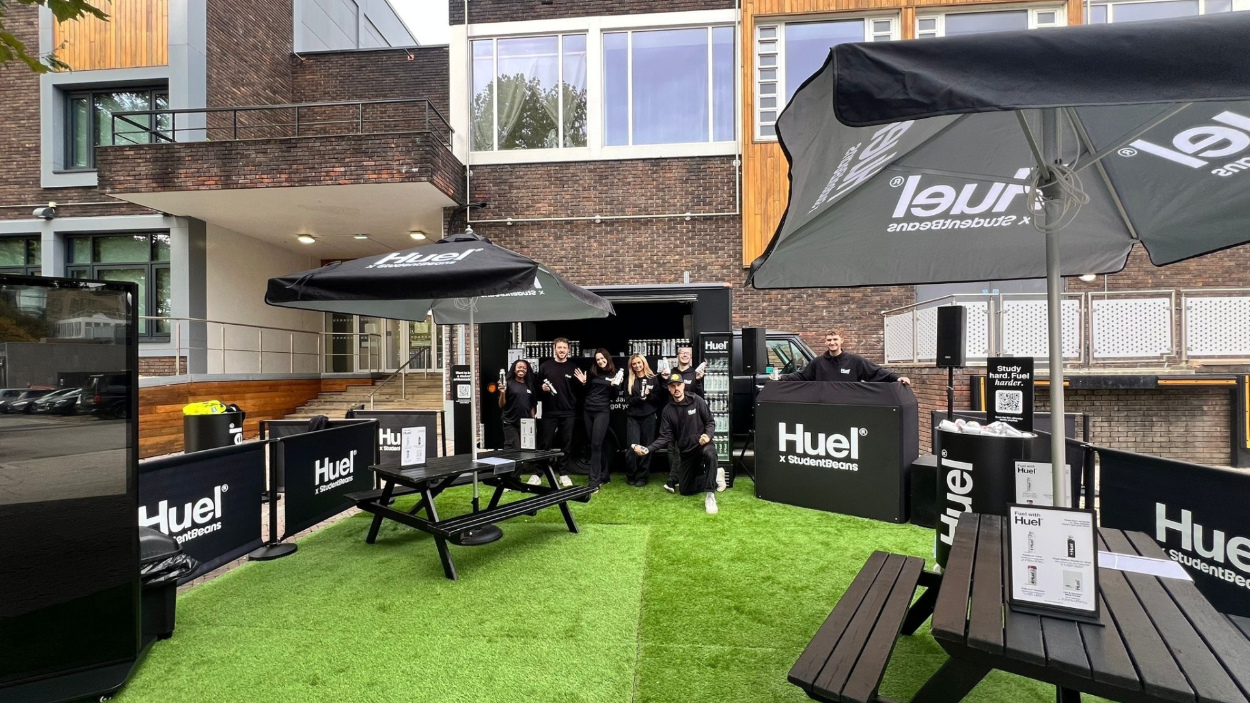
This shift in a young consumer’s attitude welcomes the era of ‘phygital’ shopping experiences – a mindset retailers must begin considering if they want to increase their connection to the buyers of the future and ensure they’re reacting to the needs of this audience imminently.
Brands Need to Realise, Physical is Key to Customer Connection
In a world which is becoming ever digital, highstreet stores are frequently considered ‘old hat’ or simply a dying trade. However, it is clear, when we consider that 90% of students, this year alone, desire ‘in-person’ brand experiences, that the buyers of the future are taking a return to this style of shopping.
The reality is, stores, brand pop-ups and shopping centre activations are no longer simply transaction environments but are increasingly becoming spaces for participation, identity and community for this segment of shoppers. As they desire brand interaction from the get go, seek tangible offerings and crave personal interaction, brands need to understand this need if they want to create lasting loyalty – rather than simply a one off transaction.
By offering ‘in-real-life’ moments, brands are positioning themselves in a way that encourages youths to feel closer to a brand’s narrative – a moment whereby the customer feels the brand is part of their daily lives.

By prioritizing these experiential moments – ultimately meeting the customer where they are – brands can position themselves as more than ‘just a brand’ and provide the understanding, connection and ultimately closeness (both physical and emotional) that younger shoppers crave. By understanding the young consumers’ need for a brand to feel ‘real’, not just marketing jargon, fashion businesses can open doors to connection with this audience, leaving a lasting impression in their very formative, autonomous customer years.
A 360 Brand Experience
Although some brands might understand or simply appreciate this young consumer’s needs, that is not enough. Many fashion brands, and B2C companies as a whole, still treat experiential activity as a standalone awareness exercise. Simply a one-show-wonder which is unconnected from their customer relationship management strategies (CRM).
This disconnect is a vastly missed opportunity – one which fashion brands could reposition to foster longevity with youth markets. activations and online infrastructures to ensure customer longevity.
Simply, the fashion brands who will see the strongest return from experiential marketing will be those building an integrated online and offline offering – ones that allow a consumer’s physical engagement to connect with digital infrastructures that retain valuable custom data for future marketing purposes.
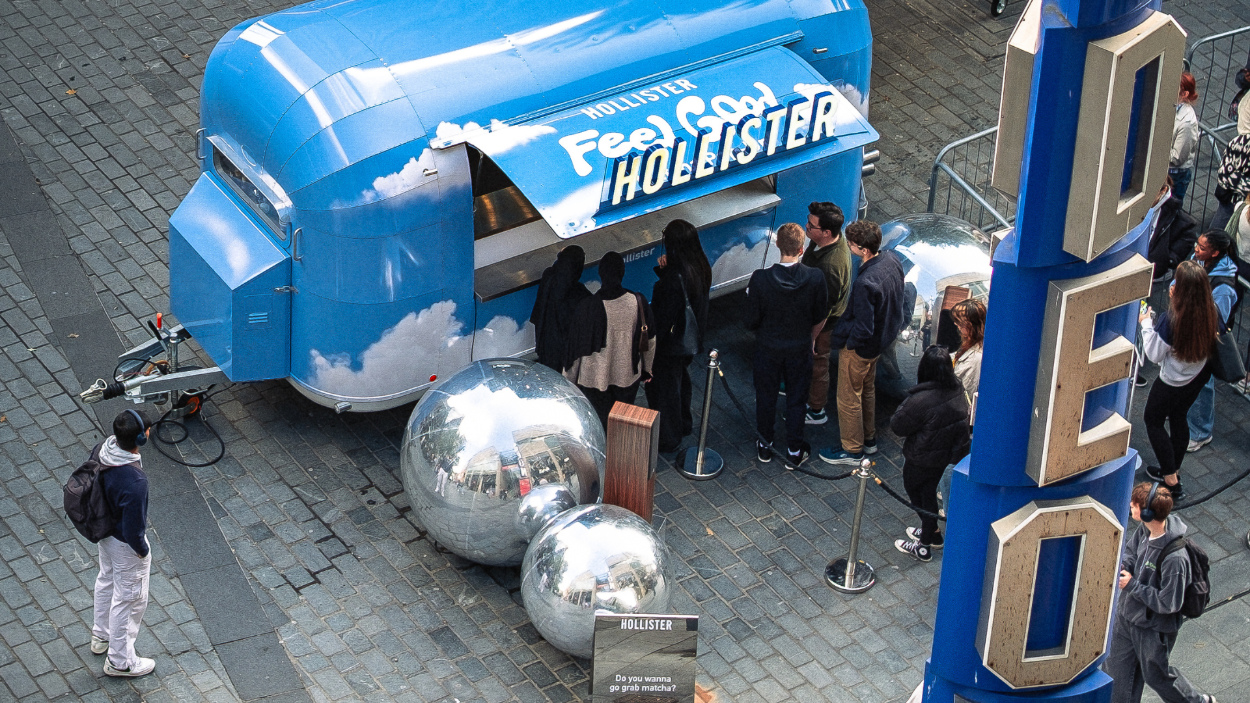
For example, by offering this audience in-person activations alongside relevant discounts and incentives, brands can create experiences that make consumers feel more connected to and understood by the brand. In return, customers are often more willing to share their data in exchange for access to these exclusive benefits.
For the brand, by creating an offering that uniquely combines large-scale, verified in-person activations with digital data ownership, they’re given a clear, measurable path from first touchpoint through to repeat purchase.
Ultimately, most brands still treat youth marketing like a series of disconnected stunts. The winners won’t. The future belongs to brands that turn real-world engagement into owned customer relationships, connecting physical activations directly to digital ecosystems, CRM, and loyalty programs. When discovery, purchase, and retention live in one integrated system, youth engagement stops being vague brand awareness and starts becoming measurable growth.
A connected loyalty loop replaces fragmented event marketing with something far more valuable: a trackable, attributable engine for long-term customer value.
First-Party Data is Fashions’ Most Valuable Asset
Whilst considering customer experience, fashions’ relationship with customer data has been a controversial and rapidly changing conversation all brands have had to tackle.
For many years, brands have focused on scale over depth – focusing heavily on reach, impressions and broad audience visibility. But as privacy regulations continue to evolve and platform dependency becomes increasingly risky due to the speed at which the landscape is evolving – owned customer relationships will come out on top.
This need for ‘owned’ customers is subsequently making first-party data one of fashion’s most important areas to tackle, particularly among younger audiences whose purchasing journeys move constantly between digital and physical environments.

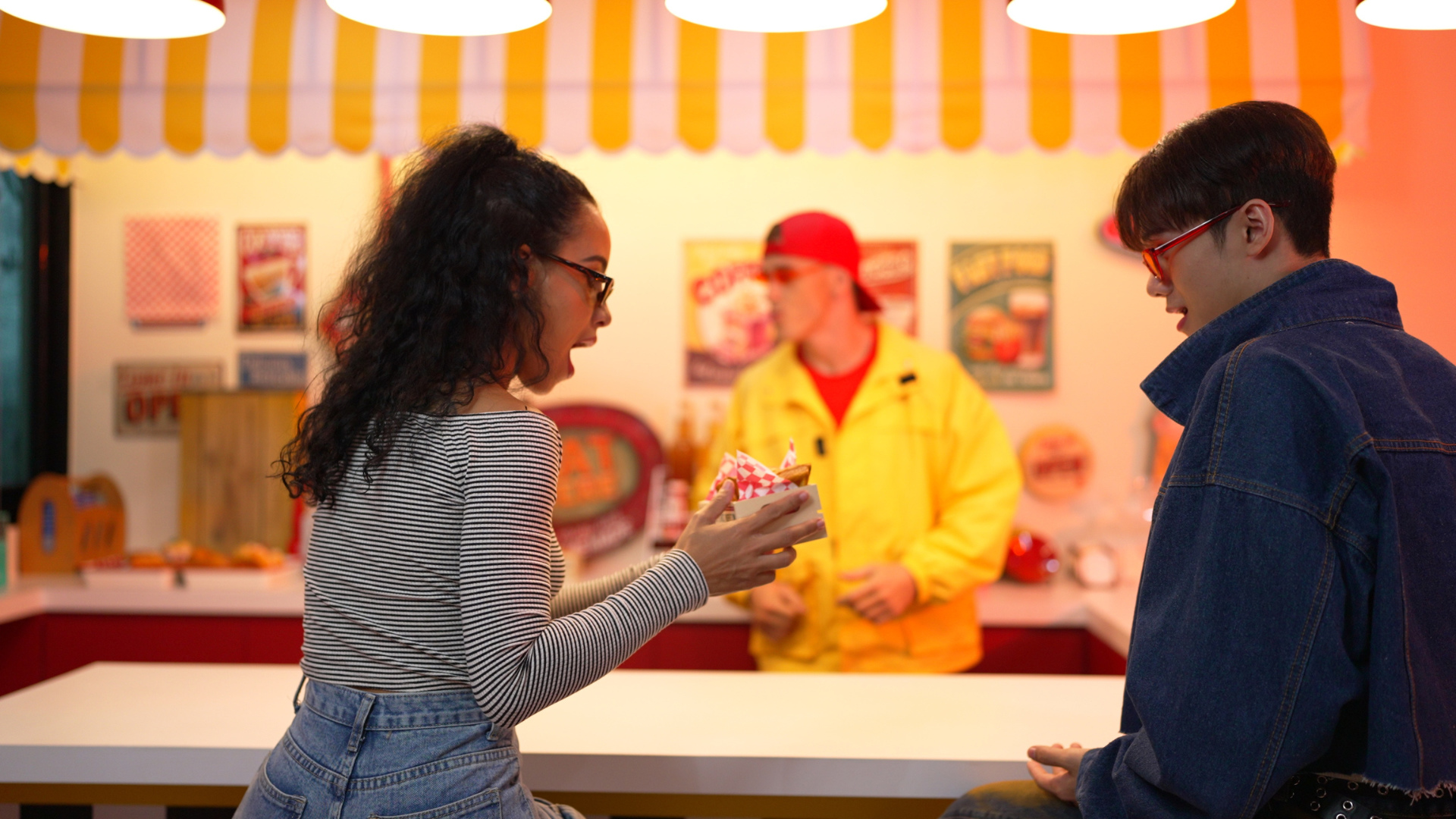
As already touched on, experiential sits naturally within this because it creates an environment where consumers are more likely to exchange data for access, rewards, discounts, participation and a level of exclusivity. The task of brands will be… whether they collect that data in ways that feel valuable rather than extractive.
Gen Z are becoming more aware of value exchange when it comes offering brands their data – perhaps unsurprisingly when we consider all the recent data breaches and leaks across industries. With consumers needing a stronger offer to entice them to offer up some information, brands need to be offering something both engaging and consistent.
For Gen Z in particular, in return for their data and engagement with a brand, they expect utility, personalisation, relevance and community. Those that succeed in ensuring this balance are often those designing experiences around ongoing participation rather than one-off transactions.
For example, by brands integrating experiential campaigns with loyalty programmes or digital networks, businesses can ensure everyone is winning – with their users’ need for ‘in-real-life’ moments being satisfied whilst simultaneously gaining access to and also gaining valuable customer information to encourage retention and support marketing strategies around future engagement.
By a brand being aware of this equation and enacting it across their marketing strategy, they can provide an offering that ensures in-person engagement feeds directly into a digital infrastructure – enabling them to continue nurturing the customer relationships long after the physical experience ends.
The Biggest Competitive Edge? Listening to Your Audience
There is a clear discussion across industries about the impact of emerging technologies, particularly AI and immersive commerce, and its impact on the future of sales and customer relationships. However, many brands are trying to run before they can walk (and failing at it) by concentrating on these more complex notions, and frequently leaving behind the core to any good and long customer relationship – responding to your customers needs.
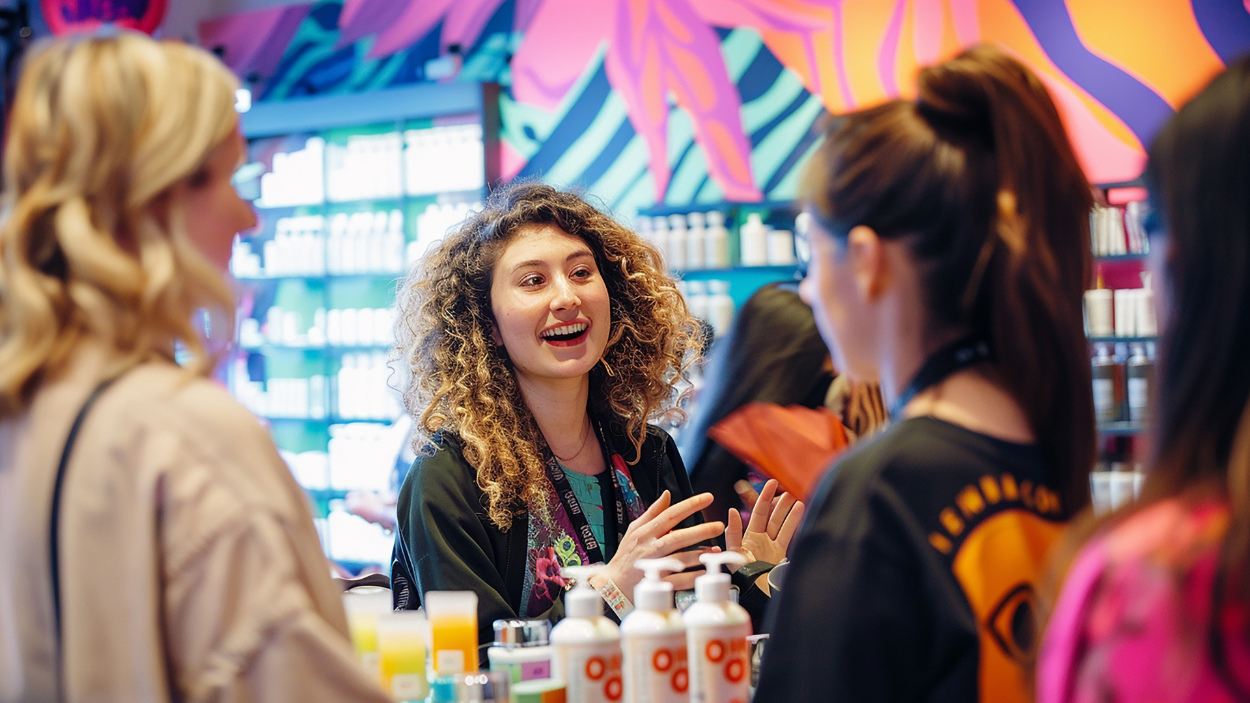
For brands focusing on Gen Z engagement, the bigger competitive advantage is likely to come from something far less headline driving but integral – removing the gap between online and in-person shopping experiences and meeting these audiences exactly where they are. For Gen Z, the moment when all shopping experiences are connected will be essential if they’re to feel recognised. They simply do not think in channels – they think via experience. And the brands that don’t understand this, will quickly fall behind…
Ultimately, this is the generation forming its long-term brand loyalties now, in real time. The opportunity for fashion brands isn’t to add more channels, but to build connected experiences that seamlessly respond to how young consumers actually discover, engage, and buy. The next era of growth will belong to brands that stop treating digital and physical as separate strategies, and start treating them as one continuous consumer journey.