

Key Takeaways
- A Reuters / Business Of Fashion investigation published this week provides substance to back up modelling’s long-running anxiety about AI: agencies are reporting fewer bookings, while proposed contracts seek rights to alter and reuse models’ likenesses without further compensation.
- Brands should be free to appreciate what generative AI makes possible (PDP photography in particular offering a clear commercial proposition) while recognising that the “overheads” that generative pipelines are likely to eliminate are people.
- Meta’s newly-proposed scraping terms extend the same questions of control to brands and influencers. Choosing not to generate campaign images is no guarantee that essential platforms won’t use those images. And for influencers, walking away can mean abandoning the audience that makes their business viable in the first place.
Fashion has been circling a difficult conversation for the last couple of years, but the maturation of image generation models (which Ben wrote about this summer) in the last twelve months in particular has made “the talk” harder to ignore.
The talk, of course, is about what’s already happening to the opportunities for human models as brands and retailers embrace synthetic models or AI-generated edits or remixes of existing photography.
And this week a Reuters investigation, published by BoF, made that talk even more pressing, by substantiating the general vibe, or assumption, that modelling work was drying up, with a mix of qualitative feedback and the start of some quantitative insights.
To assemble the report, Reuters reviewed more than a dozen proposed modelling contracts to understand how new modelling work is being commissioned, and what provision those agreements included for AI editing after the initial work was complete. Many of them included clauses that afforded the company the latitude to alter faces and bodies, create digital replicas without additional compensation, use images to train AI – or all of the above.

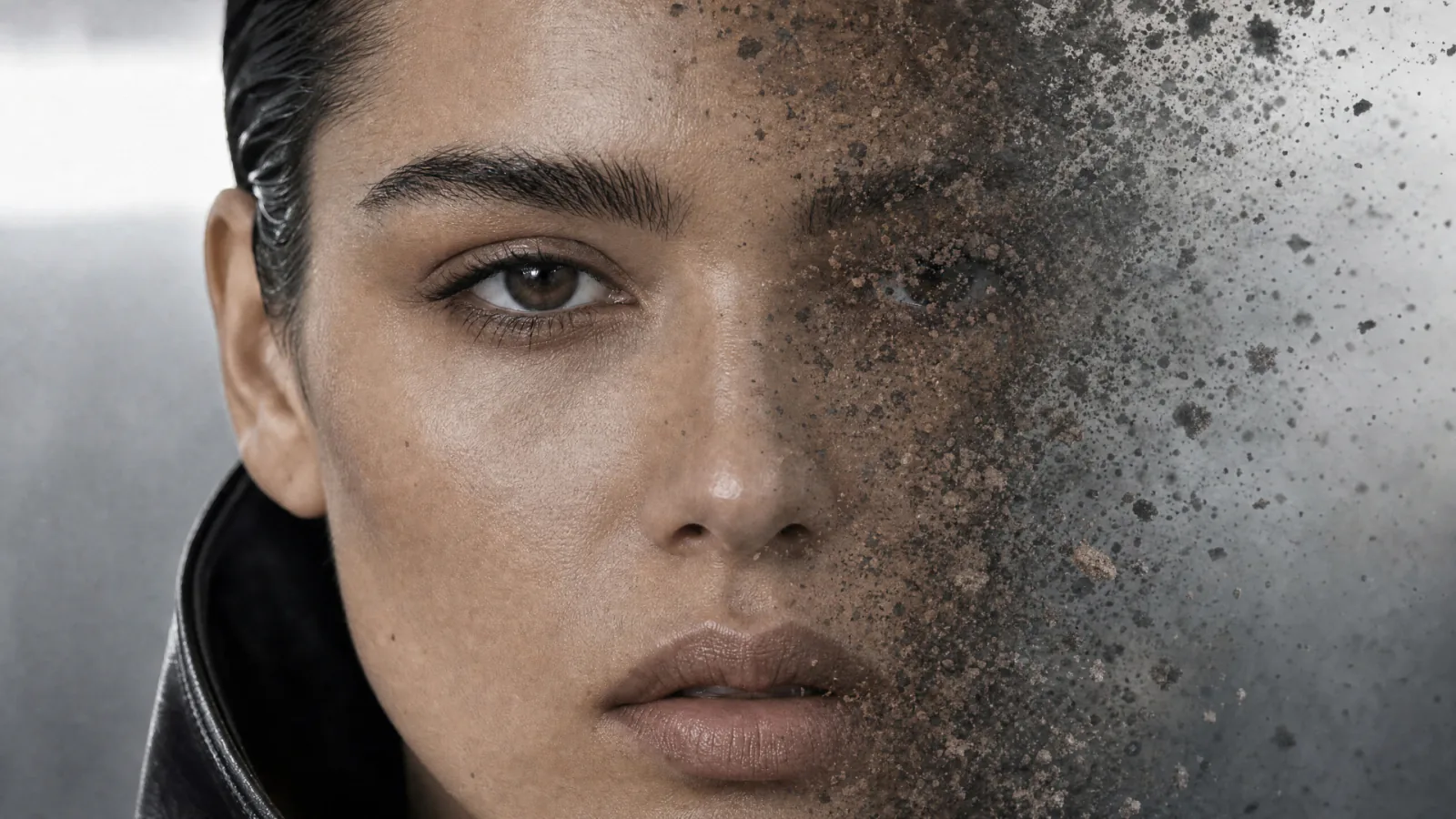
If we momentarily put a pin in fully synthetic pipelines, these proposed contracts alone demonstrate just how far the definition of a modelling job has shifted, and how quickly. For decades, a human model was booked for a defined period of work, with clear deliverables at the end. And once that work was completed, bar retouching, the scope and limits of the engagement were unlikely to change; if new images were required, the model needed to come back into the studio, or revisit the location.
The same bookings now much more closely resemble the creation of a reusable and extensible digital likeness that can have a much longer life within the brand or retailer’s marketing and sales cycles. And in a very real sense, the industry has not codified any new frameworks that would secure royalties or other forms of compensation for the person whose likeness is being remixed.
We’ve seen forward-thinking agencies attempt to advance the models’ cause through waves of 3D scanning (see Jonny Sydes’ article for the DPC Report 2024) and now through AI (read Benjamin Hori’s piece from the AI Report 2026 for more) but despite some persistent work from people who, not coincidentally, were models themselves, we have still landed in a place where a single sitting could supply material for theoretically endless campaigns in which the model has no further involvement, and from which they receive no additional income.
This is, not to put too fine a point on it, straight-up bad news for all but the most famous and the most lawyered-up models. It’s entirely possible to recognise this, as participants in fashion, at the same time as marvelling at what generative AI can accomplish when it comes to delivering valid outputs at unprecedented speed and scale. To borrow industry parlance, it’s cool to pursue gallery completeness and novel campaigns all while reducing overheads, but it’s important to reckon with the fact that those overheads are people.
The Interline doesn’t, then, see this week’s analysis as a paean for the human model. The team here is made up of people who like technology and love fashion, and while it’s become our signature not to see either as unambiguously progressive or perfect, we generally fall into the bucket of appreciating technology while reckoning with its downsides. It just so happens that, in this case, “the talk” comes with a very big downside for a class of people that fashion has previously put on a very high pedestal.
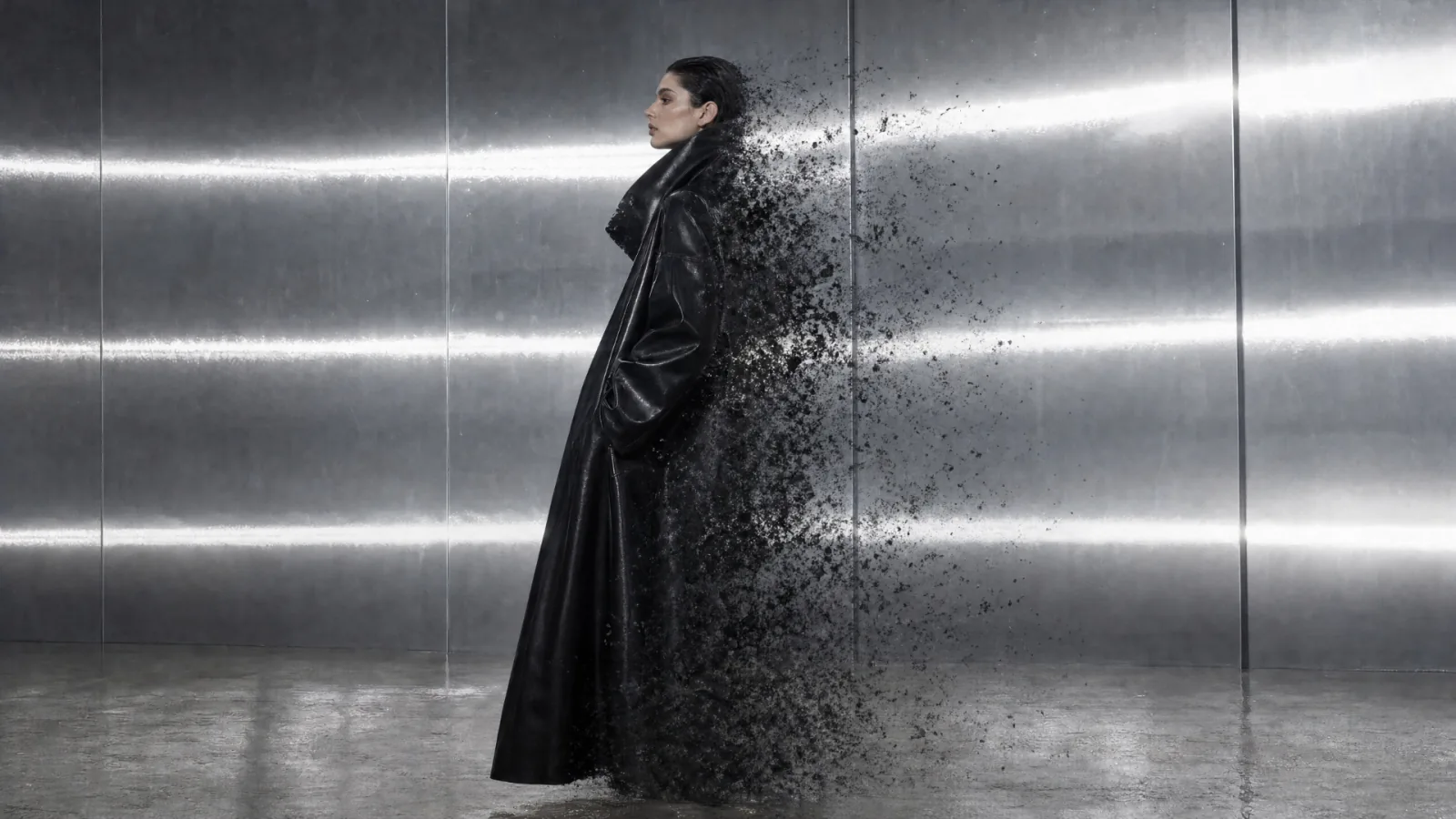
Anyone following The Interline Podcast will already have seen this coming, and will already be familiar with the various ways that people who work in, with, and between the cogs of fashion talk about it. This summer, Glazione Rocha, creative director at Lounge by Zalando, acknowledged that roles in the campaign product process would inevitably be changing. More recently, Botika CEO Eran Dagan described customers starting by replacing existing photography, then expanding into imagery they previously couldn’t afford to make, as a way of continuing to send work the way of human resources whose original roles had been inevitably diluted.
Regular readers will also remember that, for big retailers and tech vendors alike, this has always been a one-way street. The conversation might not have been happening in the open every time, but the act of generating an image is, visibly and palpably, replacing the act of shooting one with a camera.
In their public position on the topic, Zalando places AI alongside Photoshop and other production tools. Interviewed earlier this year for The Interline Podcast, Photoroom’s Matt Rouif describes visual production becoming commerce infrastructure. The generative genie, to trot out a cliché, is not going back in the lamp, and it’s hard to see that the wishes he’s granting are ones that human models would have asked for.
Before you read on...
Our weekly news analysis will always be available to read here at The Interline, but you can get it (along with notifications for new podcast episodes, events, and more) in your inbox by signing up to our mailing list.
It does, to be clear, remain true that brands do not (to really stretch our analogy) have to rub the lamp at all. On yesterday’s podcast, TOAST brand director Rosie McKissock connected the brand’s reluctance to generate campaign or product images with its commitment to creative communities, and to its brand-defining “social conscience”. Based on that interview, it seems clear that replacing human models would compromise something TOAST considers part of the brand itself.
Across the wider industry, though, the reassuring language about evolving roles and reinvesting savings in more ambitious campaigns now coexists with Reuters and BoF’s high-profile study suggesting that the overall trajectory for human models is downwards. More creative output does not necessarily mean more work for the people who previously stood in front of the camera – especially if the contract they signed is retroactively determined to have been permissive enough to allow for unlimited riffing with AI.

And both live inside an evolving technology landscape, where another set of tacit agreements – those signed between the platform holders of the planet’s biggest social networks and the brands that advertise through them – are being stretched to accommodate AI, or at least AI-adjacent, permissions.
Also published this week was a 404 Media report on Meta’s commercial terms, which complicates the idea that any company can really hope to opt out of image generation, or to keep their contracted models out of it, unless they withdraw from Instagram et al. As that reporting shows, the revised terms, due to take effect on 20 November, authorise broad scraping of websites associated with the business accounts of companies using Meta products, to develop the social giant’s own advertising and business products.
To put it more directly: a brand can refuse to use AI to generate its campaign photography, and it can sign the most watertight and future-facing releases with its modelling talent, but if it then places those campaigns on social media, they’re likely to become part of the same churn.
As Nieman Lab reported, Meta quickly removed the word “train” from its terms, and said that it respects website owners’ crawler restrictions, but lawyers quoted in the report are still concerned that the language permits extensive use of the content published on Meta platforms that far exceeds the traditional grasp of that relationship.
Sound familiar? There’s going to be no small amount of schadenfreude felt by models as a result of this story.
For influencers, though, whose businesses depend entirely on indirect compensation and brand deals, and who absolutely must be present on Instagram, there are likely to be far fewer cynical chuckles. The platforms that deliver their audience now set terms that leave them fully exposed to a likeness crisis that they have little recourse to try and address. Leaving those platforms might reduce their exposure to “the talk” that’s forced its way into the modelling industry, but it could also mean abandoning the distribution that makes being an influencer commercially viable in the first place.
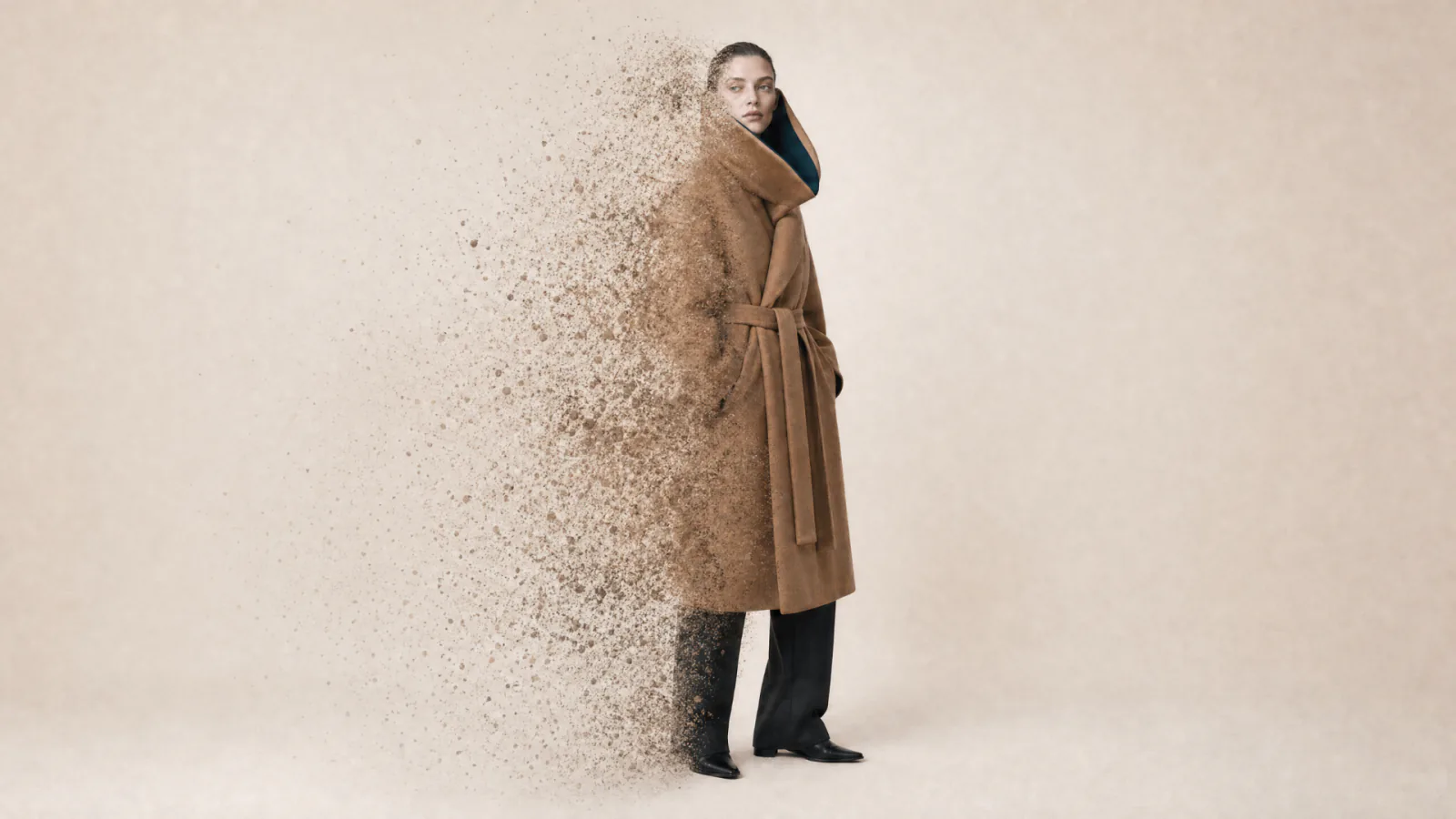
So is modelling a lost cause as a career? The Interline wouldn’t go that far just yet, and industry bodies are trying to establish boundaries. Reuters’ research includes an analysis of the British Fashion Model Agents Association’s new code, which requires consent for AI use and model ownership of digital twins.
And there’s also some precedent in CGI, which is the only other evolution of the imaging pipeline that removed the need for the original model to be physically present for every potential use of their likeness. Doubles built from scans and captured performances exist under well-tested legal frameworks, and SAG-AFTRA screen performers have detailed contractual protections covering digital replicas, including consent, compensation and use.
Again, though, these are provisions carved out by the world’s best-known faces, and were hard-won by one of entertainment’s most bullish lobbying bodies. It’s hard to conceive of a scenario where the same provisions get extended to catalogue and eCommerce models, or to influencers.
So the talk is here, and it’s brought the evidence with it this week. The Interline hopes this means we can stop trying to pretend that generative pipelines won’t affect models, and that fair methods of compensation can be established before the doors close even further.