


Key Takeaways
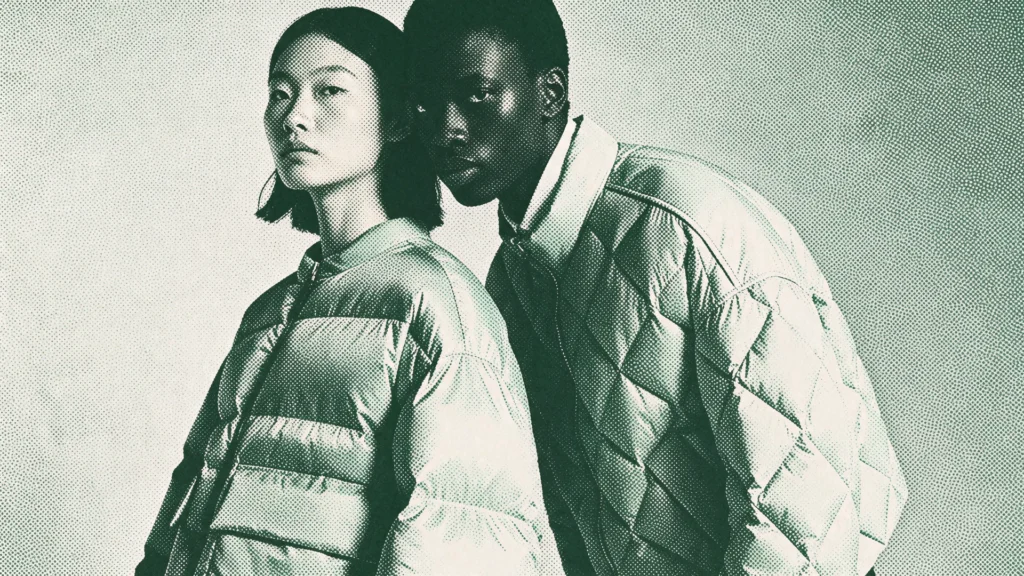
- After a week of controversy, and years of corporate upheaval, beleaguered multi-brand luxury retailer SSENSE nonsensically blamed “virtual try-on” for a series of AI-generated product detail page images that independent designers had called out for significantly misrepresenting their styles.
- From falsely advertising in-person events to casting a cloud of uncertainty over maker-centric platforms like Etsy, generated images have become a focal point for the growing realisation that visual content is becoming impossible to trust.
- A stark difference is emerging between the outputs of, and the approaches to, image generation. When framed primarily as a cost-cutting exercise, and absent expert review, generated on-model images frequently break the ‘product promise’. When tackled as a step-change in imaging, and properly supported as a transformation project, AI images can be good enough to go undetected if they aren’t disclosed.
Until recently it seemed redundant to say this, but selling fashion online (which is currently how about 30% of all retail sales play out here in the UK) only works if the recipient can buy with a good degree of confidence that what they see represented in website images is representative of what they’re going to receive.
But say it we must. Because generated images are undermining some core assumptions about eCommerce, and breaking promises between designers, retailers, and consumers – at least where the strategies behind them prioritise cost-cutting.
There has, of course, always been some wiggle room for both sides of the eComm bargain. Consumers, conditioned by years of free, low-friction returns, understand that few purchases, if any, are irreversible, and brands have largely had to take that kind of ruthless wardrobing on the chin. Sellers, too, have found the precise amount of subtle photo retouching, or garment-pinning to manipulate fit, that shoppers are willing to tolerate before that return threshold is triggered.
So there’s been a tacit understanding between parties that pictures can bend the truth a little, and that purchasers have latitude to react and return. But there has never been, at least until this year, much of a volume trade in images that fundamentally misrepresent the product, or that capture its spirit but not its detail.

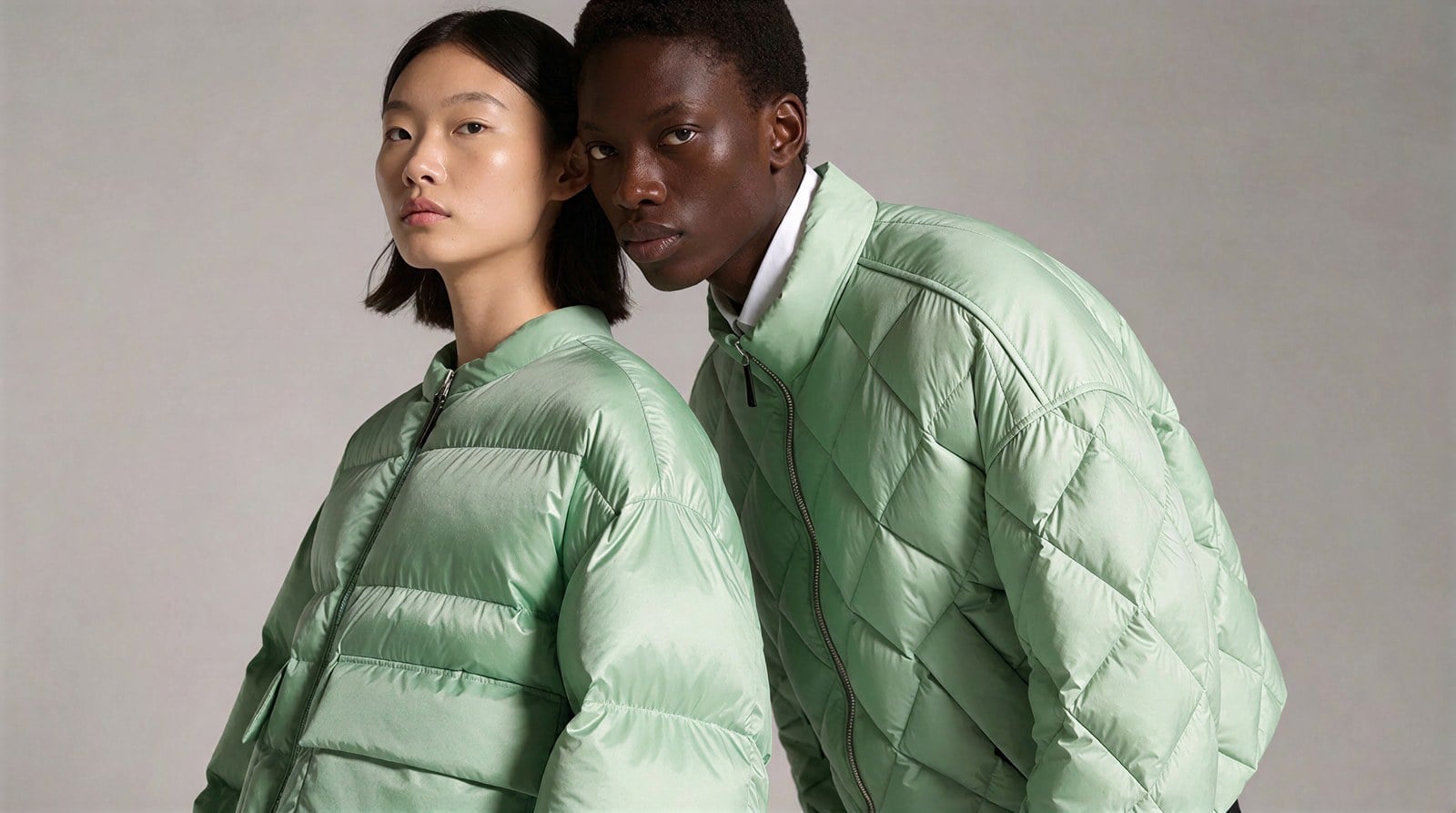
To be blunt: outside of obvious short-term fraud, a retailer or brand listing yellow, fitted t-shirts that turned up on the doorstep as orange boxy ones had usually a limited future ahead of it. There’s just only so long people will fall for that ruse. If you wanted to stay in the business of selling, and to build a reputation as a reliable merchant, you needed to also be in the business of representing your stock (visually, in storytelling, and in attributes) reasonably accurately.
This meant, of course, taking a lot of photos.
But, as we’ve documented many times here at The Interline, good-quality photography can be an expensive, inflexible, and time-consuming endeavour. And as a result, generative AI has ended up looking like a release valve for companies that want to be able to put products in front of potential buyers (both wholesale and end consumer) without the time and cost of taking physical photos.
None of this is news, of course. We’ve covered the post-photo era numerous times this year already. So why are we back to it for another week?
The quick answer is that headlines continue to show that retailers and brands are still falling foul of the so-called iron triangle (the maxim that, in software and services, you can have two elements from a triangular menu of good, fast, and cheap, but never all three) or, perhaps, consciously choosing to approach generative photography as an exercise in cost and corner-cutting, on the assumption that the consumer will tolerate a compromise in quality.

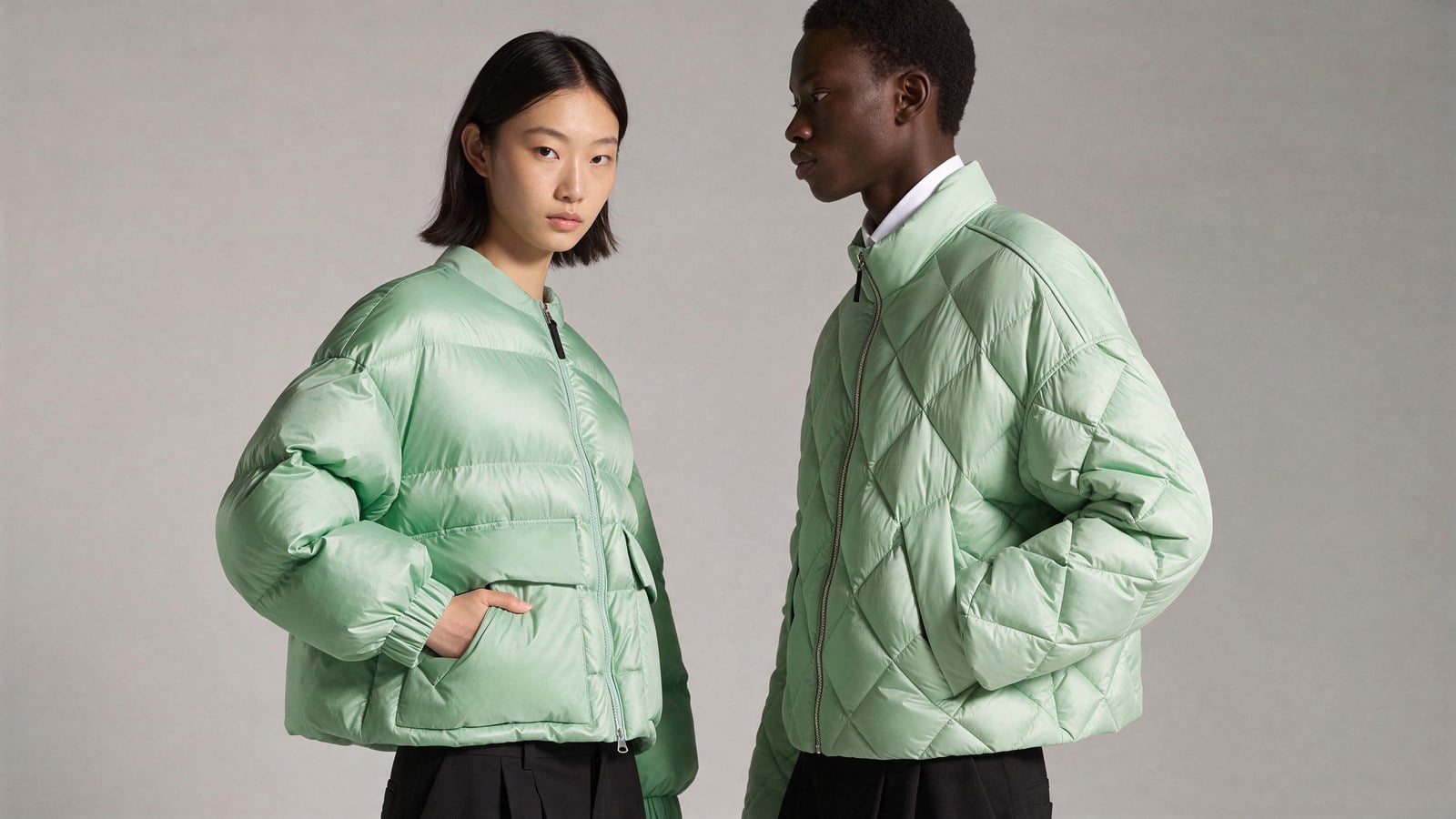
The specific story that catalysed this particular round of introspection centred on SSENSE, the beleaguered Canadian, multi-brand luxury retailer. Ten days ago, independent designer Reese Cooper (whose styles SSENSE stocked) began complaining, through Instagram, that the detail pages for his products were being filled with images that misrepresented not just finite detail, but fairly significant elements of the garments.


As well as bemoaning the closure of SSENSE’s previously-extant photo studio (which was, at one point, a point of pride for the company, and which, ironically, operated on the principle of consistency, according to a 2024 Washington Post article), one of Cooper’s primary concerns was that shoppers who made a purchase based on these images would wind up blaming him, the brand owner, rather than the seller. Practically, this is a fair concern; independent designers are reliant on multi-brand retailers for reaching beyond their own direct audiences, and that reach can easily backfire.
Before you read on...
Our weekly news analysis will always be available to read here at The Interline, but you can get it (along with notifications for new podcast episodes, events, and more) in your inbox by signing up to our mailing list.
But Cooper ended up not being the only designer to complain about the same discrepancy between the garments they created, and the images being used by SSENSE to sell them.
Publication The Fader analysed a product detail page for a pair of trousers by a designer called Gerrit Jacob and found smeary artwork, extra seams, and an implausible case of cuffs disappearing into a pair of dress shoes. Then The New York Times aired these aggregate complaints, and added perspectives from designer Sage Toda-Nation, whose products had undergone changes to cut and silhouette in the journey from real garment to seemingly AI-generated output.
We say “seemingly” because, as part of that NYT analysis, SSENSE said that it had been using “virtual try-on” for some on-site images – something that seems to have been related, according to a Vogue Business report from this week, to earlier reorganisation in the retailer’s studio operations.
Which… well, it doesn’t make a great deal of sense. Readers of The Interline are obviously well-informed here, and we’ve previously published pieces about the role of AI in a new cohort of VTO solutions, but even the general public is going to struggle to see a link between what is clearly on-model photography (i.e. images designed to at least look like they were shot with a real camera, on a human model, in a real studio) and the idea of AI-enabled virtual try-on, which aims to give shoppers the ability to visualise a garment on themselves.
In practice, there’s perhaps less to criticise here than it seems on the surface. In an exposé from July 2025, by The Logic, sources claim that SSENSE used the term “virtual try-on” to refer to what we’d more commonly call synthetic photography.
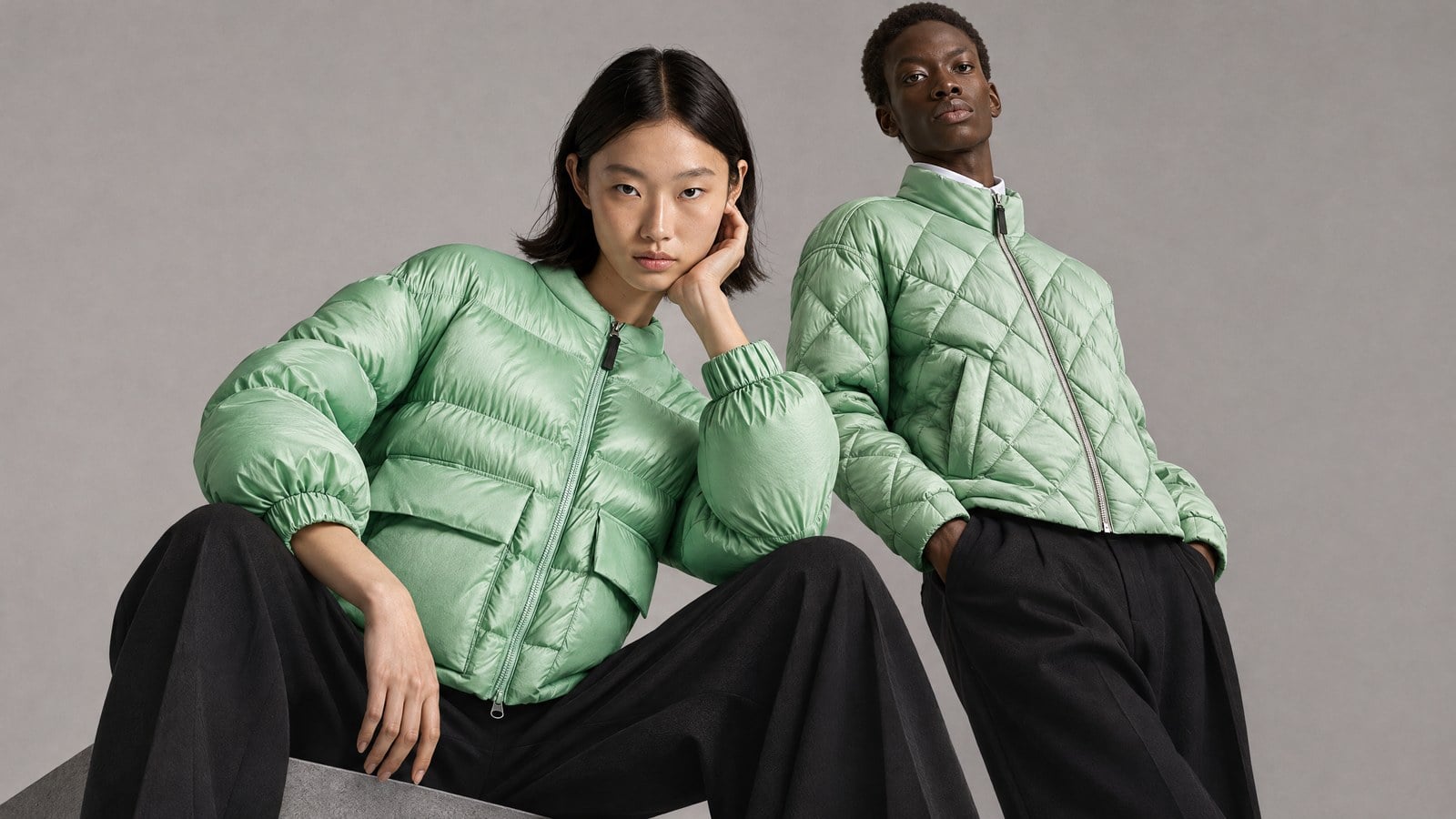
Labelling aside, though the same reporting reveals what appears to be the crux of the problem: the SSENSE team reportedly saw AI as a way to “produce “editorial-grade visuals” while improving efficiency and lowering production costs”. And as part of this cost-cutting, these AI initiatives had led to the firing of content production professionals in photography, makeup, and potentially more.
Or, to put it another way, SSENSE apparently saw AI as a way to reduce the overheads of studio photography without reducing the quality. And while The Interline doesn’t fancy making itself the arbiter of quality, accuracy, or coherence when it comes to images that are already contentious, we feel safe in saying that “editorial-grade” these listing images were not.
But this is, crucially, not the predestined outcome of a company choosing to use AI to replace some, or all, photography. Some of the world’s biggest retailers have followed that path, with a much higher degree of success. While AI-labelling is strictly mandatory in Europe, The Interline knows for a fact that generated images are so commonplace on UK eCommerce storefronts (where labelling isn’t required) and European stores that are choosing to see the rules as flexible, that everyone reading this will have had a generated image in front of them at some point recently, and probably not noticed.
As a case in point, maker-centric marketplace Etsy has been in and out of the news (particularly this week, when it had to defend itself against a different kind of AI criticism), and at the end of October its VP of Consumer Operations said that: “Today, many active buyers say they can’t tell which items involve AI-generated content […] It’s become a top-three barrier to shopping more often on Etsy.”
So if AI-generated visual content can be so good that it flies under the radar… how can it also be so bad that it forces designers to bite the multi-brand hand that feeds them? Or so bad that shoppers in China emerged from Singles’ Day confused about why models in listings had extra limbs? Or so misleading that, when it was used to promote a Christmas market here in the UK, it led to the event being cancelled after the reality became apparent?
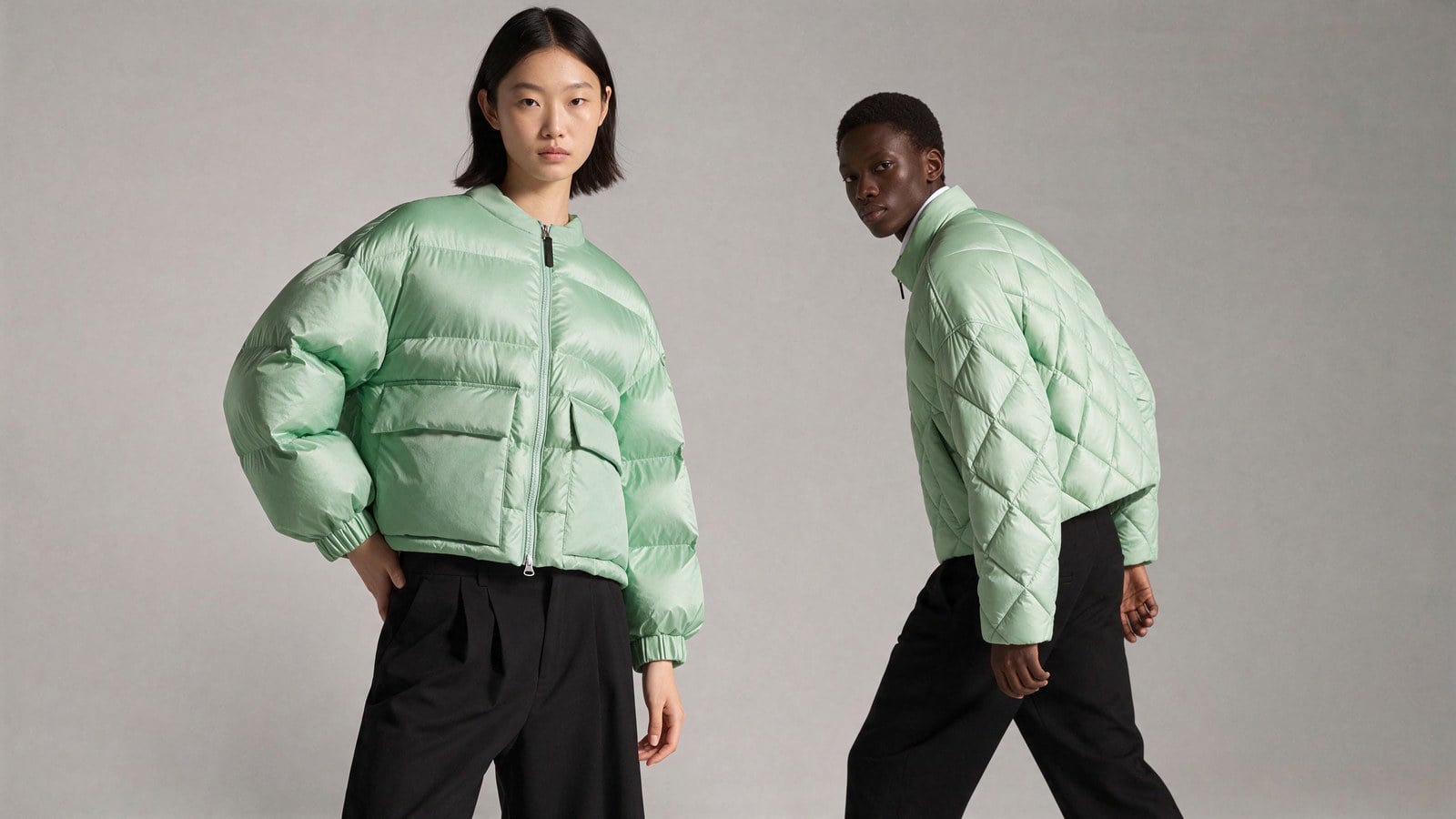
The answer, as is often the case with technology strategies in general, appears to be that AI is still seen primarily as a way to do things faster and cheaper. Whereas readers of The Interline (particularly if they’ve listened to our interview with Glazione Rocha of Zalando, or Matt Rouif of Photoroom) will know that successful generative image workflows remain labour-intensive, multi-stakeholder strategies with significant demands for content review, quality assurance, art direction, and more.
And although the cost per image, on aggregate, will almost certainly decline over time within those setups, that saving will come through reusable workflows, codified best practices, informed image-generation model choices, and top-down leadership that prioritises quality, accuracy, coherence and completeness over cents and dollars saved.
This will certainly not be the last time we see retailers or brands putting cost first, but every time it happens is a reminder. Not that generative AI is inherently sloppy, but that the companies that want to will find a way to use it that fits that definition, and that breaks the product promise in the process.
There’s much, too, to extrapolate from this central concept to how AI strategies in general (far beyond image generation) are shaped. Doing existing work faster and cheaper is a valuable idea, but one with limited applications, and applications that run out of steam the closer they get to consumers.