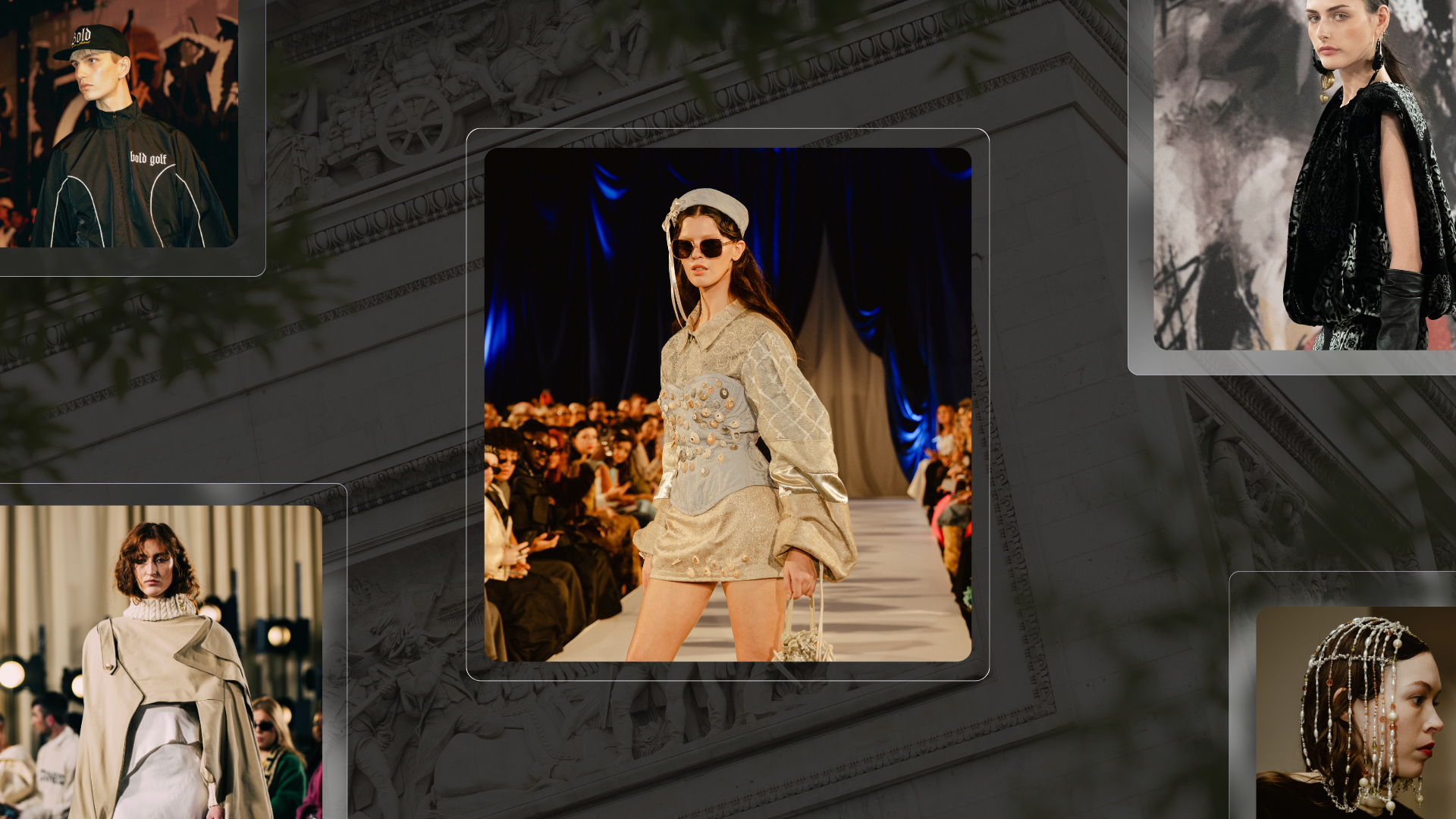
[Featured images courtesy of Ireland Fashion Week.]
Hey, welcome back to The Interline Podcast.
I’m gonna perform an act of the laziest kind of clairvoyance here. Just humour me. Picture a luxury house. Don’t tell me what it is. I can tell you four things about that house with some degree of confidence. One, it’s old and storied, rich with heritage and maybe also tied directly into the nobility. Two, it’s French, Italian, or British in that order of likelihood. Three, you can picture the logo or the brand identity way more readily than you can picture any individual product. And four, it’s part of a luxury group or a conglomerate.
I can tell you something else about that brand as well. It’s been on a digital transformation journey. With everything else I just said being true, there’s a very minimal chance that the company was built with its processes, systems, and strategies architected around technology. So it’s almost inevitable that it’s had to go back and re-architect itself as technology has evolved.
Now, I want you to picture a different kind of luxury brand that shares few, if any, of those attributes. It might still be rich in local history, but it’s not French, it’s not Italian or British. It doesn’t have a logo or a word mark or a color that you instinctively know and that’s permeated the culture. It’s maybe not been through its own digital transformation journey, and it’s not, or at least not right now, part of a luxury group. Instead, this hypothetical brand is forging its own path in a country that isn’t, at least internationally, synonymous with luxury at all.
Now, what challenges is that brand facing? Why would that brand join a group? And what would it look like for someone to start a group specifically oriented around identifying, cultivating, and elevating not just that brand, but others like it that share the same history? And what does any of that say about why you thought about luxury the way you just did?
Today’s guest is someone I’ve known for a while. Ashley McDonnell is a name and a face that you know if you pay attention to luxury and technology, because she’s worked for both household luxury names like LVMH and lesser-known ones like Puig. And she’s also worked for Google, which is where she was when I interviewed her about six years ago in the very first baby days at The Interline.
Today, Ashley is the CEO of VYKO Group, which is a new digital native luxury group that’s rooted in her native Ireland and that’s actively building up a stable of Irish luxury brands with the vision to put at least one of them in your mind the same way that you thought about Dior, Chanel, Gucci, Prada, Burberry, and so on when I asked you to. I wanted to talk to Ashley because, well, frankly, she knows more about luxury than I do. What I’ve been able to pick up through book learning, she’s actually practiced.
But I’m also endlessly curious about what’s happening with the way luxury buys and implements technology, because in my time I’ve seen massive groups try and fail to force every brand in their stable to use the same solutions. And I want to know if the technology has changed enough, or the culture has, to realise that steel man version of the group promise, which is that every brand gets the right technology foundation to serve as a springboard for what makes them unique.
As it turns out, Ashley and I are both also in the media game these days. And while we don’t talk too much about that, if you’re a regular listener, you’re gonna pick up on some common threads between VYKO’s acquisition strategy across brand and media and how we’ve talked on the show before about discoverability in the age of AI.
Let’s get into it.
Never miss an episode
Get notifications for new podcast episodes, plus our weekly news analysis, events, and more, delivered straight to your inbox.
NB. The transcript below has been lightly edited.
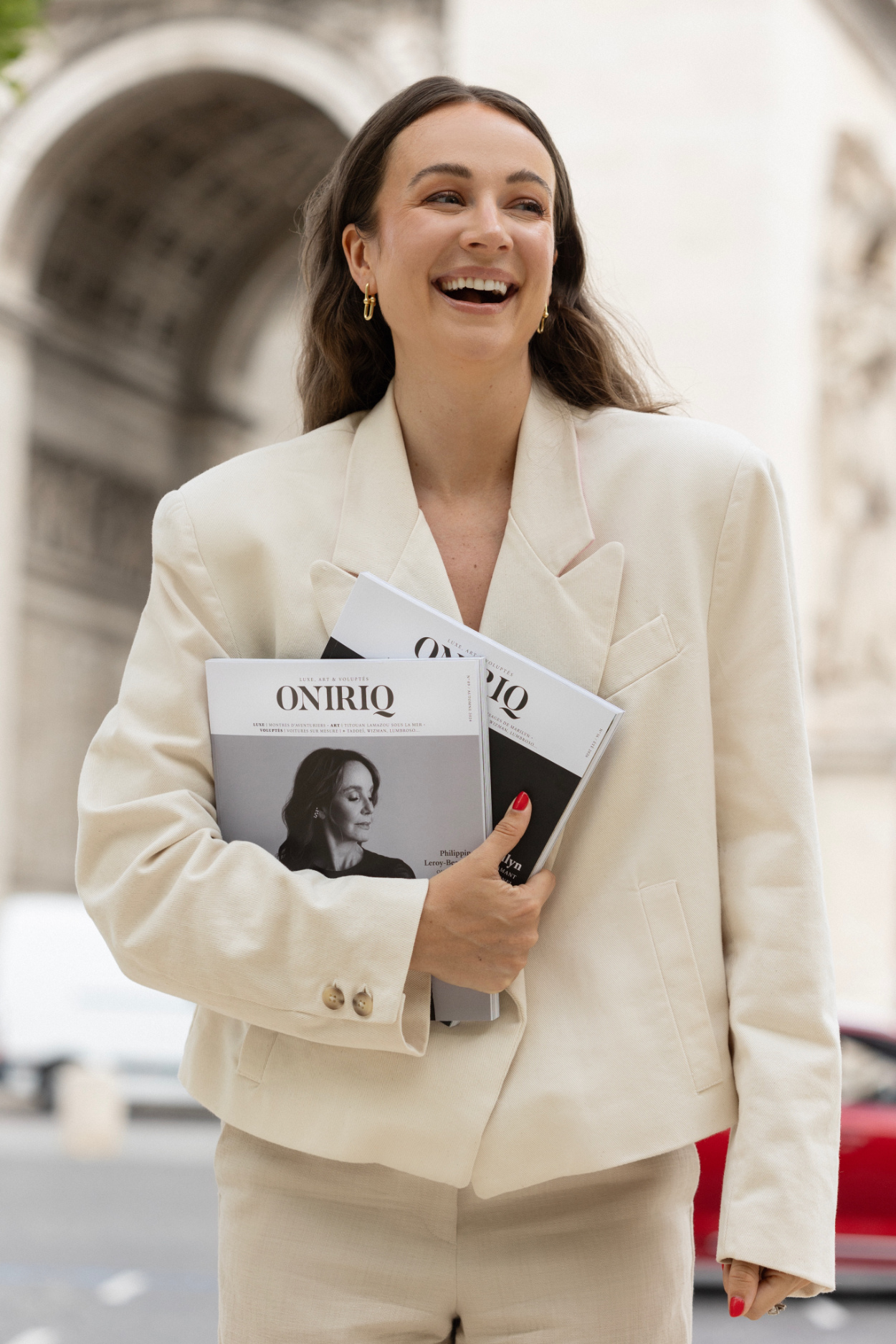
Okay, Ashley McDonnell, welcome to The Interline Podcast.
Thank you so much for having me. It’s a pleasure to be back.
It’s a pleasure to chat to you again. It’s been a while. We’ll get into how long it’s been as we get going a bit later on as well. There’s two things that we try to do every time we do one of these. We have two fixed questions. One is about getting the guest to define something, something that seems simple, but maybe has a sting in the tail. The other one, and the more sensible one to start with, is what the person’s job involves day in and day out.
So first up, you and I have known each other for a few years, I think. And you’ve had a couple of roles in that time. Right now you seem to be doing about four things at once, as far as I can tell. You’re wrapping up a bit of a roadshow to raise capital. You’re courting a big cohort of brands for your remit at VYKO. You’re presumably standing up a whole company with systems and back office and everything else. You’re Founder of Ireland Fashion Week.
I’m not even sure at this point if you’re still a podcaster in your own right. You’re certainly a regular guest on other people’s shows. I juggle a lot of responsibilities, but you’ve definitely got me beat. What the hell do your days look like to fit all this in?
Well, you captured more or less everything that I’m doing, so thank you, Ben, for that. And indeed, right now, my biggest role is being CEO of VYKO. It’s Ireland’s first luxury group, in the sense that we’ve never had a group before that consolidated multiple luxury brands and operated them behind the scenes and also, of course, worked on everything from the manufacturing to the distribution. So it’s been a gaping hole in the landscape in Ireland for many decades, and it was one that I always wanted to be able to come along and help to fill. And we announced at the beginning of May this year that finally it’s happening. And I am the Founder and CEO of that company.
And under VYKO, we have two divisions, VYKO Media and VYKO Brands. And the reason that we have two divisions is because in Ireland, our landscape, not just for luxury brands to thrive in the sense of being nurtured and being able to manufacture, but also being present in retail. And something that, as we are both very passionate about, of course, when it comes to journalism and media being spoken about and being given the right visibility and platforms, we were just lacking across all of those different areas.
So VYKO Brands is the vehicle that we’re using to acquire brands, majority stakes, sometimes 100%, sometimes it’s less, if the Founder is still there, alive and kicking and wanting to go and achieve things that they wouldn’t have been able to achieve independently.
And then VYKO Media is the group that was established first and foremost. And under VYKO Media, we own Ireland Fashion Week – so our National Fashion Week that supports designers here in the country. We also own Tech Powered Luxury, a podcast which I founded many years ago, and we have had incredible guests from digital directors across all the major fashion and luxury groups to CEOs, most recently the CEO of Audemars Piguet .
And under VYKO Media, we have also just announced our first publication acquisition: L’Honoré, a French lifestyle publication that covers everything from automotive and cuisine, of course, to fashion and travel. So we own the first English language edition of the publication and we have the rights not just for Ireland but also USA and the UK.
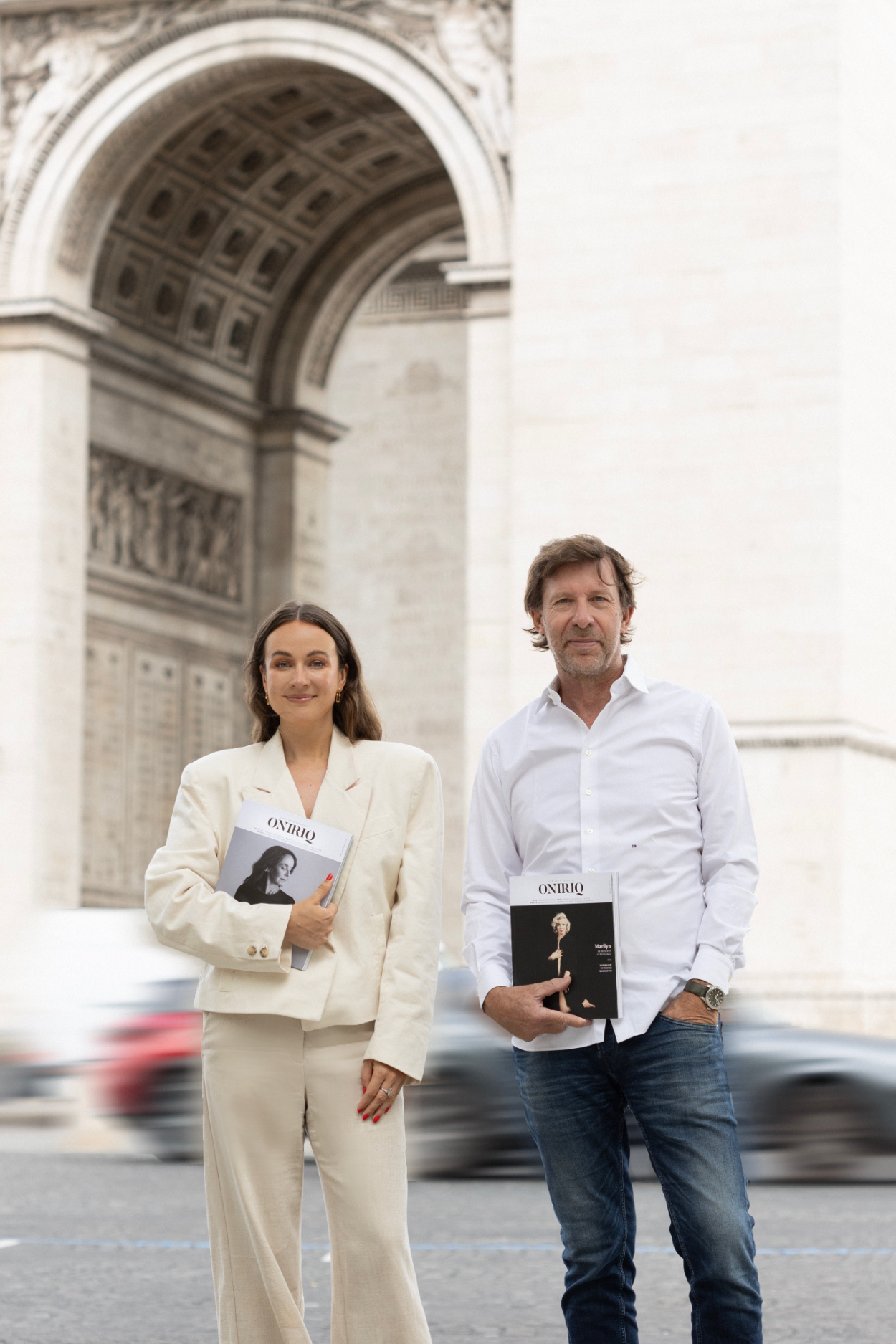
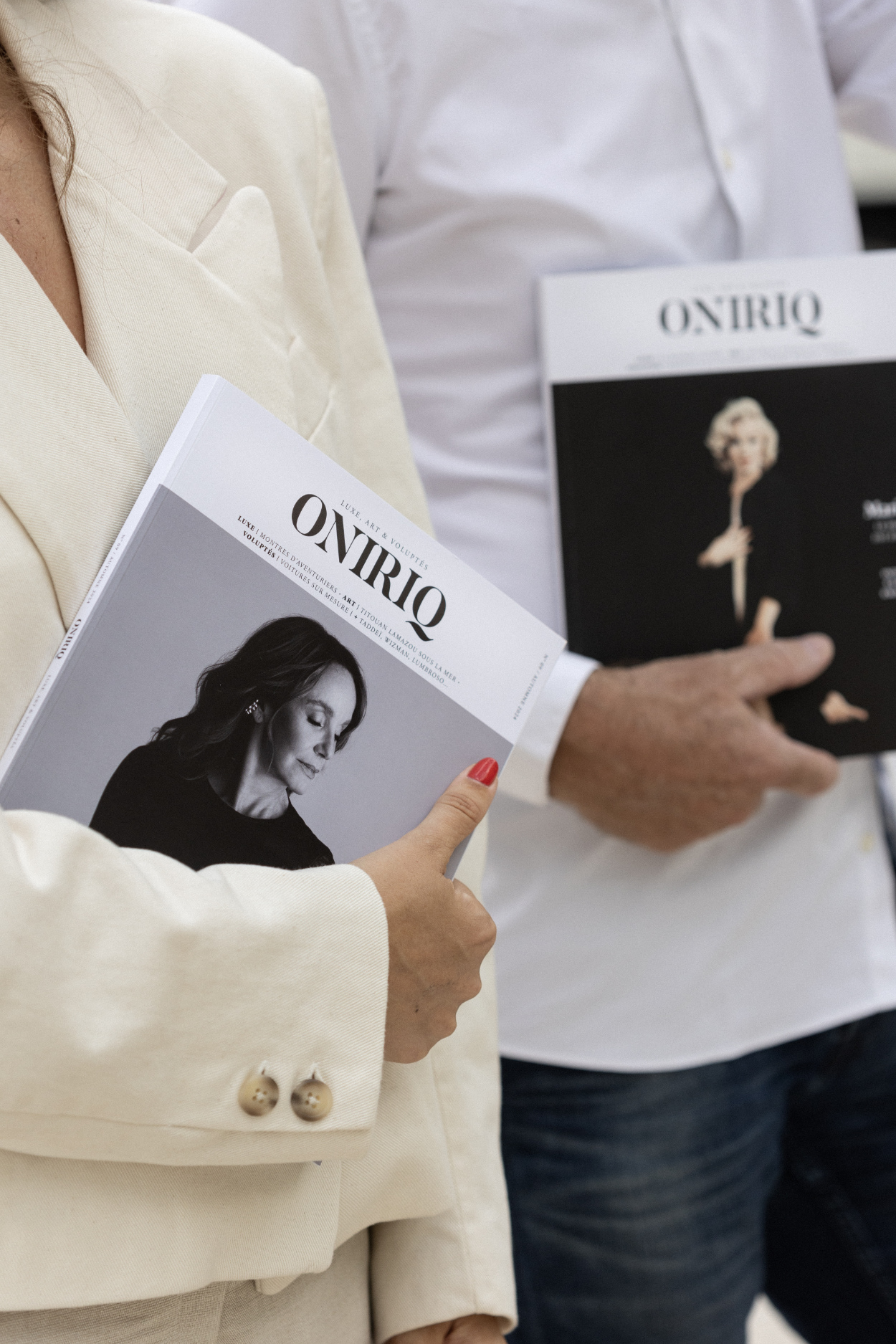
And as you can imagine, we have quite a few more international publications on the way, as no one has ever localised international fashion or luxury publications for the Irish market. So very, very privileged to be the first to do that, which gives us of course the ecosystem needed to not just nurture but also to put these beautiful Irish brands that we’re acquiring in front of the right people.
You and I are in the same business in two different ways then. We’re both in fashion and we’re both in media now as well. So some interesting crossover is gonna emerge, I think.
Let’s do the definition side of things. And I think you kind of walked into this one because what you’re doing with VYKO is you’re setting out to assemble a stable of luxury goods companies based in your native country, Ireland, and then your aim is to scale them internationally, if I understand correctly.
Yes. Indeed.
Now that’s a speed run of two pillars of the luxury strategy from the book of the same name by Jean-Noël Kapferer and Vincent Bastien. I’m simplifying things a bit here. It’s also been a long time since I read that book –
And they were both my former professors.
Well, there you go. So I’ve only ever read this, you’ve experienced it firsthand. So you can test me then if I have this right. So the quote I wanted to go back to was “a relocated product is a soulless product”. That contains to me, I guess the essential nugget of what distinguishes luxury from premium, that idea of what in France you call like terroir, that something either like ineffable or quantifiable about a place manifests itself in luxury products in a way that transcends function and that you can’t just pick it up and shift it to somewhere else. So I’ve seen you say that, for instance, an Aran sweater made in Ireland has a different value to one made in China.
Explain what Irish luxury means to you. Tell me what separates it from Irish premium. And tell me how you intend to take that global without putting some of that value out to pasture.
The definition of premium for me in Ireland today is anything that’s created here without applying a luxury strategy. Ireland is an expensive country by nature. We’re in the European Union, we have incredible labour laws, it’s one of the most expensive countries in the world. So if we’re creating anything here, it’s done to a great standard, but it’s also coming at a premium in terms of its cost. And that’s where we lose our competitiveness across the board for any given product and for hospitality.
So I truly believe that applying the actual strategy that Jean-Noël Kapferer and Vincent Bastien perfectly explain in The Luxury Strategy or Lux Oblige in French is the only option for Irish brands if they actually want to compete on a global stage because if we’re not competitive in terms of price and we’re not competitive in terms of the actual products that we’re bringing, if it’s based on necessity, then what we can do is create something that has a beautiful story, that has exceptional service or experience. And of course, something that really leans into the heritage of the country. So focus on that place and soul.
And that’s something that I’ve been lucky enough to do over the last ten years, working for LVMH Group, working for Dior, and then over the last five years, working for a group called Puig, which is a lesser known group, but IPO’d in 2024 and is home to many of the biggest fashion and beauty brands today.
So what we’re doing in Ireland is saying, well, actually we have a unique story, we have a unique place, we have our own heritage, we have our own folklore, we have beautiful landscapes, and it’s something very unique. It can’t be found elsewhere. And we have, of course, creative people that have come up with brand concepts inspired by what they see here. And what they haven’t been able to achieve for the most part is turning a great product into a great brand and then into a great business. So we’re looking at who are the people that have mastered a specific product across any category.
We’re interested in not just fashion, which is the obvious one as always, but we’re interested in everything from beauty and perfume. We’re interested even in the culinary side of things, specific food brands that could be exported. We’ve spoken with the founder of a luxury knife brand. We of course are interested in chocolate and in spirits, in jewellery and in anything that could be distributed in a luxury environment. So department stores, retail such as duty free.
But also the quick test for me, and that’s one that I learned from ean-Noël Kapferer and from Vincent Bastien, is if you receive something from this brand and you perceive it as a gift, it already tells you something about the brand equity. And that’s something we kind of understand in an instant. It’s everything from the actual product itself to the packaging and the full experience when you hold a luxury product in your hand. It’s not about the product category and it’s not even about the price point, because if you look at brands like Laduree, for example, you can buy one macaron for under €3, but it absolutely is dominating as a luxury brand because of the whole experience that comes with that.
So I guess there are some loose terms around the definition of luxury, but for me it’s when you’re no longer talking about price and you’re no longer talking about necessity, you move beyond that. And it’s more about brand equity, creating something that makes people dream and creating something that makes people excited.
Mm-hmm. And is there a particular category that you want to target with this initial wave of acquisitions, or are you truly kind of category agnostic?
We are definitely category agnostic, but we want to start by building pools of product categories because that’s where you’re gonna have the most synergies and it’s going to make us run as smoothly as possible. So we’re starting with fashion. It’s just been the category that had the lowest hanging fruit and the most potential, and the one that I had the most proximity to in Ireland as well, as the Founder and owner of Ireland Fashion Week.
But we right now have LOIs submitted for three fashion brands and we’re in the process for two beauty brands. So I do think beauty will come quite organically quickly after fashion.
Now, the main model for luxury for basically my entire life has been consolidation and acquisition. You know, starting with the very complicated journey for Bernard I know getting hold of Dior when I was like two years old, and ending with the situation you have today, where I think there are less than 20 big luxury houses. I’m thinking of the main state markets, you know, France, Italy, and so on, that aren’t part of stables. And I think that number is shrinking over time.
Now, I think everybody instinctively grasps why the group strategy is a good idea. Everybody can kind of feel the rationale out. It being part of a group can give you access to the kind of patient, unwavering capital you need if you’re gonna pursue a singular creative vision and spreading the risk across brands. It can give you large scale access to resources that would otherwise be very scarce, and inputs that would otherwise be very scarce. It can help you decodify best practices and address common fail points while you’re also letting individual brands retain and intensify what makes them unique.
But there’s a lot of arguments for the group strategy. The thing is, the conglomerates that everybody knows, the ones that have existed for my lifespan, they’ve had decades to hone the strategy and to build their kind of world-swallowing scale. Whereas the most recent example I can think of of someone trying to stand up a new version, a new equivalent, would be Capri Holdings in America, which has spent the last couple of years now falling foul of antitrust and then trying to divest itself from brands.
There’s a lot of history there packed into one question, I apologise. But what makes you think the group model specifically is right for where Irish luxury stands today? What advantages can the group model offer to the kind of brands that you’re courting? What makes you think you can make it work when John Idol couldn’t make it work in America?
Fantastic question. And honestly, I have watched very closely how everything has unfolded with Capri Holdings and with all of the other various groups. Because at the end of the day, if we’re trying to build a successful brand, in general, the end goal, whether it’s an exit or an expansion, it’s going to have to involve a couple of different things. One is talent and one is capital. And the easiest way to plug into talent and capital is to go to a group that has that in abundance.
And it’s so sad to see a group when it struggles or to see a group when it doesn’t succeed – and brands individually as well. But I believe in Ireland in particular, it’s the only way that brands will be able to succeed because they’re lacking not just capital, but also the talent as well. So we need to be able to find efficiencies, especially in the early stages when we bring brands on board.
But the biggest difference between what we’re doing and what Capri did, for example, is of course that we’re leaning into Irish heritage. So we’re building out a portfolio of brands that first and foremost have something in common so that when we’re going to – whether it’s retailers, platforms, media, really any of the key partners that it takes for us to actually succeed – we’re going with a portfolio of Irish brands that either lean into heritage or perhaps even modern heritage. And we’re able to say we’re the first luxury group coming out of Ireland. We are bringing something unique in our storytelling.
There’s something common across all of our brands. We’re also a group that’s born into the digital age, into a digital first era. So digital transformation is not something that we as a group need to go through. We’re starting with digital at the forefront and being powered by AI across all of the things that it makes sense to be powered by technologies. And that’s something I saw other groups not just struggle with, but absolutely fall at each hurdle and lose incredible amounts of capital spending on transformation that us today as a small emerging group, when brands arrive, we do that with them individually as they’re onboarded.
Put a pin in the AI question for a little bit later, but that’s good insight.
Now, taking everything you just said into account, why now? What is it about the world or about Ireland specifically or about the progress of technology that makes this a viable strategy when maybe it wasn’t five or ten years ago?
So I think you’ve made it clear at this point that Ireland has always had the craft and the heritage and the sense of place and identity to do this. But it’s clear that no one’s ever built the scaffolding to institutionalise it the way they have in France or Italy so far. That’s been true for a long time, right? Presumably that’s been true for decades or maybe even centuries. So, why 2026?
Firstly, I couldn’t have done this myself before because quite frankly, I was too young. I’m 32 now. This has been the dream for many years. In 2019 I said I’m going to create Ireland’s first luxury group. I decided that when I worked at Google. My first day at Google, I walked into the bank branch that they had there and I said, let’s get myself set up so that the day I walk out the door at Google, I have the capital to go and do the first couple of acquisitions. Because I had moved to Google from LVMH Group where I’d seen the potential, I’d seen what was possible. You put the right structure, the right talent and the right applications of capital in place. And I was incredibly inspired, but I also realised this is the infrastructure or the scaffolding, like you said, that’s missing in Ireland. And I think it was never gonna happen if an Irish person with experience in major luxury groups didn’t come along and say, I believe in this. I’m gonna put my money where my mouth is and actually invest in this and kick it off.
So I think there have been many people before me in the last decades that have had similar roles within the industry and whatnot, but perhaps it wasn’t their dream to establish a group. So the motivation to go and make it happen might not have been there. And luckily a lot of those types of people are the people that we now work with and that are helping us to build out the group.
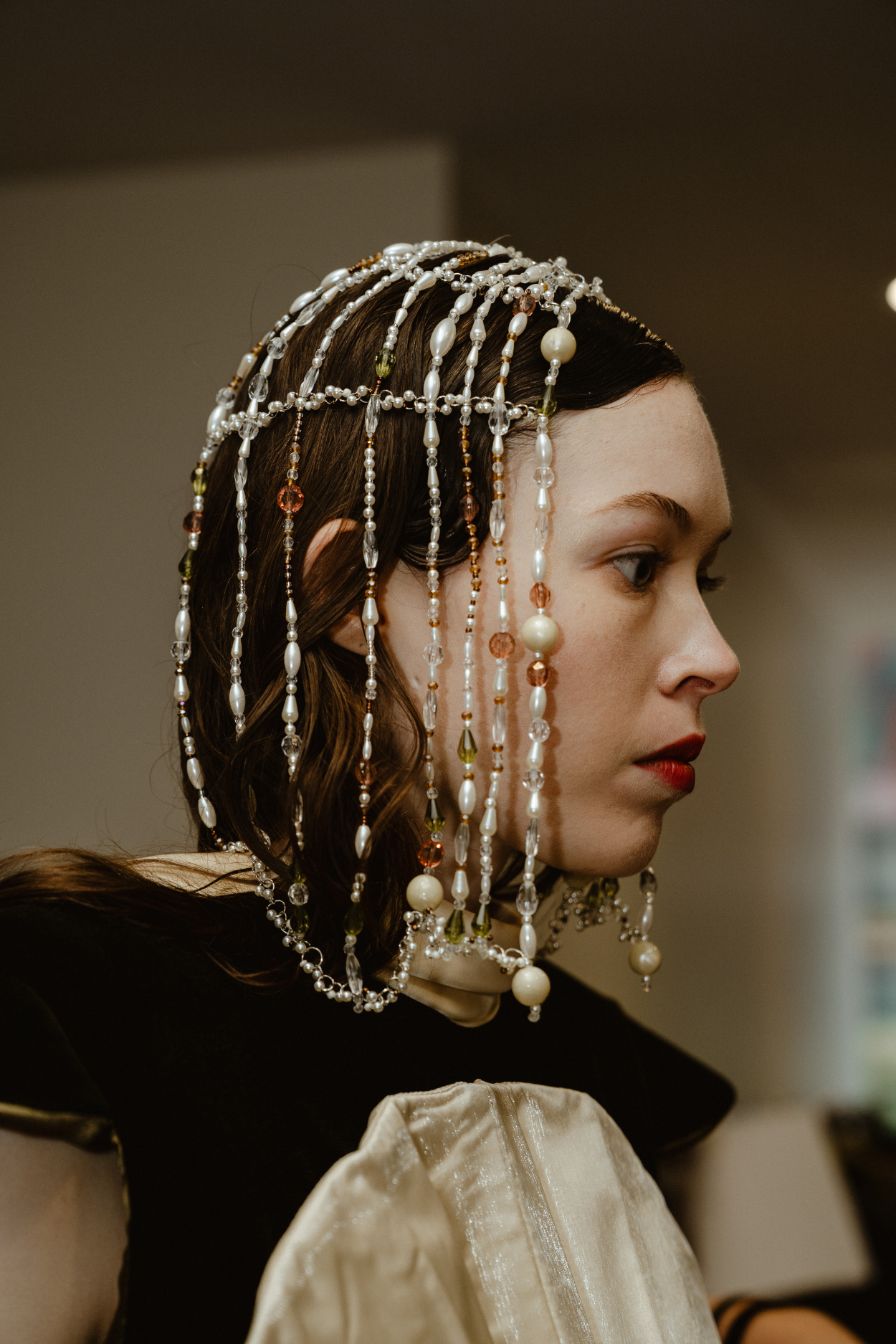
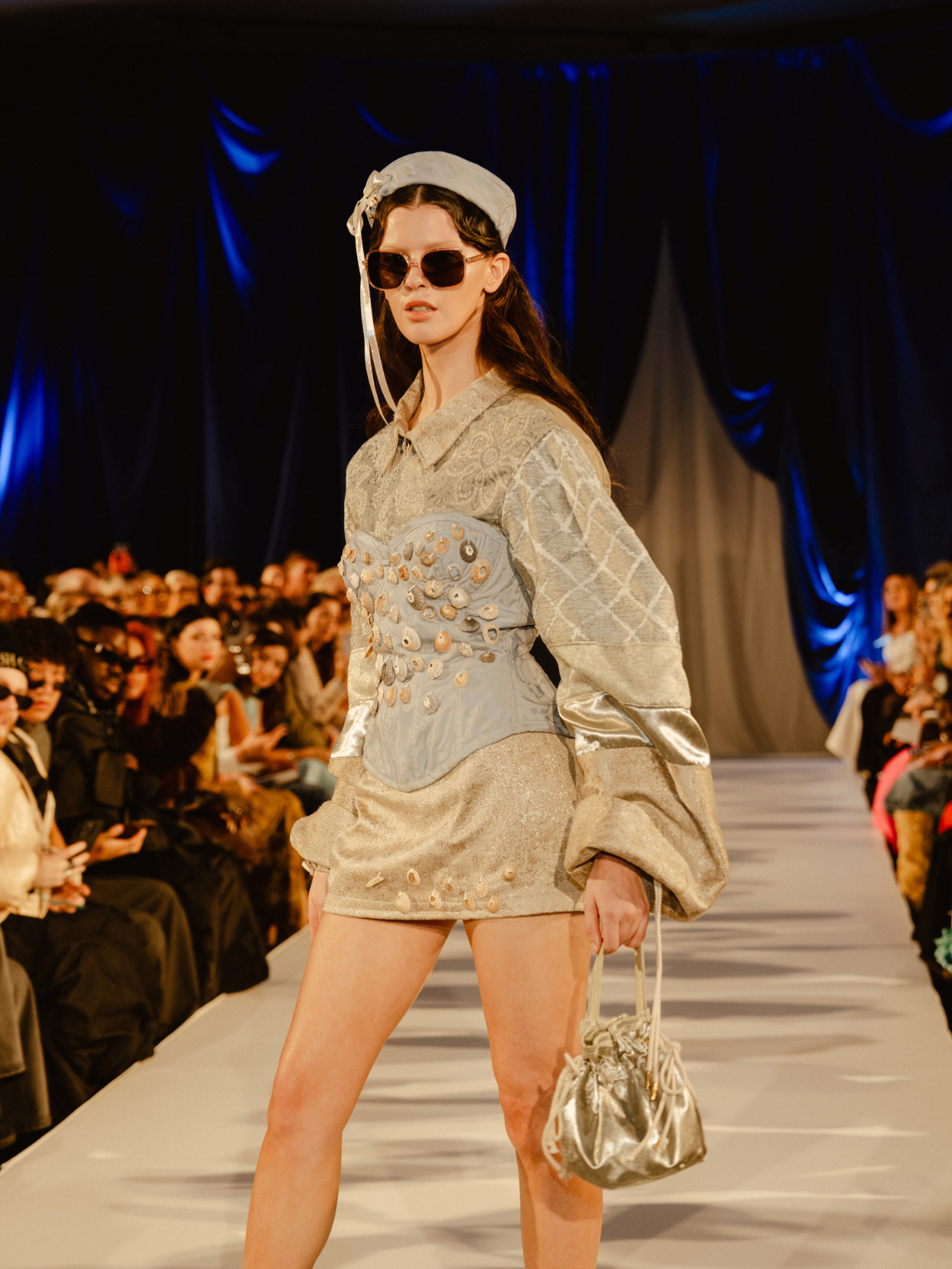
And secondly, I think Ireland is having a cultural moment right now. We are a relatively young country. You know, we’ve been independent for just over one hundred years. So the country has had a lot of struggle in the past. And of course, when a country is struggling it’s not going to be thriving economically either. But that has changed majorly in the last three decades in particular. So we have seen it already over the last fifteen years, in particular with technology and pharmaceuticals, where the country has done really well. And now we’re able to say, okay, what can we do that actually doesn’t just look at exporting software or bringing multinational companies into Ireland that will operate out of here because of tax efficiencies? But what do we have to offer as an expert that doesn’t actually rely on foreign direct investment?
So we have this perfect storm right now of culturally we’re doing really well in terms of our actors, actresses, musicians, designers. I mean, right now JW Anderson, you know, leading Dior, it’s absolutely incredible to see Irish people at the forefront of all of the most culturally relevant industries and most culturally visible industries as well. Finally we’re a country that has capital and infrastructure as well that will allow us to actually scale businesses. And then lastly people like myself that have had decades or more of experience in the industry but learning from the best in France and in Italy and in Spain and the UK and the USA.
So it wasn’t something that was going to happen overnight. And even now I know that my biggest challenge is getting the right talent that knows how to build these things but have the invested interest in doing it for Irish brands. That is my biggest challenge right now because we have a limited number of people on the island, about five and a half million in the Republic. And then we have to find the right people with those skills, and the ambition to help build this.
You mentioned your Google role. and you mentioned, you know, going into the bank there. Thinking back, one of the first written interviews I did under The Interline banner when we were about six months old. So we launched in March of 2020. I think we’re about aligned with the COVID lockdowns in the UK. And it was with you. I interviewed you while you were at Google.
I’m not gonna dredge the whole thing up because I think we’d both rather not think back to what the peak of COVID lockdowns was like. I did go back and reread that interview as part of prepping for this show. And I think it stands up because we’re talking about how search and digital tools were going to define luxury’s response to the pandemic and its recovery afterwards.
Now, I don’t think either of us could have predicted what was gonna happen to search. And as now I know we’re fellow media professionals, we can have a whole different conversation about search. But I think there’s a bunch that is relevant from that. So, I’m curious, apart from the banking guidance, what else did you carry forward from your time at Google to today?
The main thing I took away from Google was that when you have a culture in your company of transparency, you can move fast and you can move together and you can do things at a whole different speed compared to when you make information difficult to share or when you even just withhold information. So when I moved from being at LVMH group to Google, I actually experienced a really strong culture shock because in the luxury industry, everything’s quite mysterious. In general, it’s absolutely forbidden to have organograms and for them to be distributed.
Imagine in huge organisations where you have to work across multiple divisions and markets and whatnot, and it’s just not allowed to actually show this is the family tree of who’s working where, versus when you arrive at Google and you can click on your profile and see how far away you are from the CEO and every single person in between, and you can go and look at what any given person to an extent is doing in the organisation at any given moment, who they’re having meetings with, what are their goals for this quarter and whatnot. And I realised that that can actually be a really enjoyable way for people to work as well. And it gets rid of a lot of friction. Not just friction in efficiencies and operations, but friction between people. And at the end of the day, we do need people to run businesses, even in the era of AI and whatnot, it’s humans that are creating connections between each other that are actually going to create the magic, even moreso in the luxury industry. We’re at the heart of everything we do is emotion.
So I learned so much in how an organisation can scale and grow and move fast and do so in a way where ultimately transparency is at the centre.
Okay. Google, obviously also a tech company. So I think this gives us a good launchpad to move onto what role you see technology playing at VYKO. Now, I’ve seen you talk outwardly about it being the linchpin of demand planning, and the data from the survey portion of our AI report for this year validates that forecasting, planning, competitive analysis, but that’s right at the top of the disciplines that people think AI is going to help with. It’s one piece. And then in fact, if I thumb through Luxury Strategy – which again I’m doing at one remove, whereas you have it firsthand – it’s demand planning is a weird and conflicted piece where luxury is concerned, because you don’t want to be responding to demand in the same way that you do as a mass market brand. That’s how you find yourself overexposed. You have to do something more complicated than demand sensing.
Walk me through what you think tech is for at this stage of building VYKO and integrating the brands, especially given that as you mentioned before you’re starting with technology as a foundation. You’re starting as a digital native company as opposed to having to go through digital transformation as a group made up of a lot of other constituent parts. How important is tech to you and what are you doing with it right now?
Tech is actually at the core of everything that we’re doing. We’ve been able to build from the beginning. So basically last October, that’s when I left Puig. And from my first day, I was building the back office of the company with the best AI-powered tools you could possibly find. And this is without going anywhere near a brand. This is just building out the back office of the company from everything from getting our trademarks for the group, from building our infrastructure to making sure that we have the guardrails in place to then be able to plug brands into our systems.
And that’s something that we couldn’t have dreamed of 10 years ago or even five years ago. So from the get-go, building out really streamlined processes, even in terms of how we organise our meetings, how we organise our data. We’re building, you know, a brain for VYKO where all of our information is held in one place, whether it’s meetings, interviews, whether it’s brainstorming sessions, everything goes into what we build. We’re a Google Cloud based company, so Gemini is powering a lot of what we do. But of course we use all of the other tools when relevant as well.
So that’s just from an infrastructural point of view, the back office boring stuff. But then it gets far more interesting when you start plugging brands into that, whether it’s our media publications or now when we start acquiring our first brands that create physical goods, it’s again looking at how do we have ultimate transparency across the group so people can communicate with each other, can help each other out so that we don’t make the same mistake twice.
How are we able to use technology to help us de-risk? That for me is one of the biggest things when it comes to brands. Brands are expensive to run because you have to allocate capital to things like marketing and stock. But we’re able to use platforms like Luxurynsight and Heuritech that help us to figure out with this exact type of product and the exact style down to very, very finite details, where will we have the most demand and at what given moment in the year?
So we’re able to de-risk and also build a more sustainable business as well, because we’re not wasting stock or product, we’re not wasting capital, we’re not wasting time, and we’re able to plan much more efficiently. So you have the demand planning part, yes, but even before that, we’re able to also see exactly where and at what point of time.
Something that I believe very passionately about as well is building more sustainable companies. I did both my bachelor and master thesis on sustainability within the luxury industry. And an entrepreneur, an Irish entrepreneur, that’s worked basically on building out a concept called Taylor that allows you – again, fashion because it is one of the biggest polluters in the world – to plug in your tech pack, so the blueprint or design of your garment, and Taylor will actually predict where things will go wrong, not just when you produce that garment, but in the first time that you wash it, in the afterlife of that garment. And being able to anticipate those things right from the beginning to again avoid problems, avoid waste, bring your sampling down from sometimes eight down to one or even two samples. It just builds a far more efficient and ultimately exciting business as well.
So you mentioned the back office, the boring part. I’m gonna actually kind of extract a bit more from you on the boring part because I think it’s probably less boring than you give it credit for. If I think about the kinds of brands who’d be listening to this who are not digital native, right? The ones that you mentioned in the process of digital transformation. The thing they’ll be most envious of about what you just said is the simple fact of having everything in one place. You know, you mentioned it before, you mentioned Google Cloud Platform before and you mentioned Gemini. How specifically are you centralising everything?
For us, when we look at a brand that we want to acquire, we’ve now submitted three LOIs and we have hopefully the first brand acquisition being announced very soon and the first media acquisition is already there. We have our preferred tools across the organisation for every single different element of running a business. And brands then are onboarded onto those tools. So not only are they being onboarded into something that already exists within the organisation, we know what works and we know what doesn’t work, but it’s already been tried and tested out, realistically by at least one business. And in a year’s time, hopefully by five, and two years’ time, by ten and more businesses.
So we’re able to centralise information, but we’re also able to centralise testing and failing. So that not every single individual brand needs to go and have that test and fail experience. I think one concrete example is when it comes to advertising. Imagine we are creating Ireland’s first luxury group, and of course we’re going to have to use Meta, we’re going to have to use Google, we’re able to have a mother account with all of our brand accounts rolling up into it. So where we live as a group on Google, we’re able to benefit from the learnings across each of our individual accounts of brands and then each of those localised market level accounts for each of those brands as well.
So it’s just creating competitive advantage for the individual brands in a way that doesn’t cost them any extra money or time. It’s just happening in the background for them. So the different accounts that we have, whether it’s with Google or Meta or TikTok or something completely different across financial modelling, for example, it’s all being able to continuously learn at the same time.
I’m more of a design and product development guy than I am an advertising guy, I think. Probably to a fault. Put me in the shoes of a brand that’s already doing reasonably well, some one that you’re quoting, and they have a mix of CAD, 2D CAD, 3D CAD, PLM, all these kinds of the operational tools that they use to determine what to bring to market and how to go about making it to relate with our suppliers and so on and so forth. Would you seek to kind of normalise that sort of thing across the group level, or would you prefer that each individual brand retains what it is at a technology level that’s allowed them to get to where they are now?
That’s a really good question. And to be honest, it’s going to be quite a quick decision for us because when we go through that due diligence phase with the brand, we’re able to see exactly how it is that they’re doing, how they’re performing, what are they strong at, what are they weak at. And that helps us determine as well are they a good fit for the group? And it also determines how we’re able to apply an evaluation to that brand. And then when we get to the acquisition part, and the brand rolls up into the group, our first three months is what we call the ‘audit phase’, where we look at every single operation within the company, how are decisions made, who are they made by, what helps them inform the way that they’re running the business. And when we’re able to then collectively find processes, technologies, or platforms within an individual brand that is better than what all the rest are doing, that’s the ideal scenario.
We want to be able to onboard brands that are bringing something that they’ve really, really mastered. And that’s the beauty of technology, right? It’s constantly evolving, it’s constantly improving. And it’s a very competitive space. That’s why I’ve always said I’m very happy to learn how to use technology, but I want to be the one that’s using it for building out brands. I’m not building technology. I build the bridge between the two and figure out what technology is going to help me best run my business, whether it’s from a campaign perspective, infrastructure, even just the sharing of information across your digital asset management, your product information management, all of these things that cost brands a lot of money, not just in terms of the actual capital, but also in terms of time, inefficient inefficiencies, lost opportunities, out of stock. All of these silly things that it’s hard to comprehend.
Okay, so I think what’s particularly interesting there is what you said about technology potentially being an asset alongside the other levels of operational maturity and product maturity and things that brands can bring with them. Because there’s been a lot of push and pull between, particularly in luxury groups, kind of top-down technology strategies, where you would say, well, this is our planning system at a group level and every brand must use this. This is our PLM system at a group level and every brand must use this.
Now, for the kinds of groups you’ve talked about before where they’re having to go through digital transformation, that’s a retroactive push, right? That’s a group saying, okay, we have determined that this is the way forward and we must now push this down across all of the brands in our stable. I think the way you’re describing it is the best advantage that you described so far around being digital native, which is if a brand brings a best practice and they bring a tool with them and they’re able to demonstrate that this is the best way to do things, that’s when you can then start to centralise around that and codify that as a best practice for everybody else to work from as well. Is that the right read?
Do you see that kind of technology maturity from a brand being as important of an asset maybe as the brand itself?
Absolutely. And you’re talking about from a pure technological perspective. But imagine if we also have a brand that comes and they have the best manufacturing for an element within leather goods, an element within handbags, or even an element within perfumery creation. We’re always going to be making sure that as a group, that’s our competitive advantage. And it’s not the stuff that will impact the identity of a brand, the community of a brand. It’s something that’s going to improve the performance, it’s going to improve the experience, it’s going to improve the back office efficiencies that no one sees and no one needs to see, but that allows us to have stronger margins and ultimately invest more in the brand.
Perfect. Now, there’s a part we haven’t talked about so far, which is luxury distribution. And we talked about media. I think you did allude to it a little bit earlier, but given the scale of the brand you’re talking to, and I think the sort of 50 million euro you’re working to raise, and then just spreading that across the stakes in multiple companies.
Now, I’m gonna guess that most of the brands you’re talking to are not big enough yet to have their own kind of stores in any meaningful sense, like any large stores. So scaling the brands you’re talking to presumably means talking to department stores in Ireland, you know, Brown Thomas, as well as kind of Selfridges, Harvey Nichols etc. in the UK and further afield. Now, I know some of those are the same company, but I haven’t got time to fully unpick the taxonomy of department stores in Ireland and the UK.
What does it look like to talk to those kinds of companies and to go after retail and distribution? Is this an example of what you’ve just talked about, where you can approach it at a portfolio level and negotiate in that way? Are you even going after concessions? And I guess the same question applies to online multi-brand retailers as well. What do you think you need to do in the near term to get the brands in your stable recognised and selling through the kind of channels that are probably going to be fairly indicative of their success?
I think when it comes to building out synergies for a luxury group, all luxury brands in general have the same problems, right? It’s access to capital and it’s access to talent. And then what do they do with that capital and that talent? They need to get product into the hands of an end consumer. How do they do that? It’s by building desirability and awareness. So people knowing about you to begin with, and then it’s creating a place for people to actually buy whatever it is that you are creating.
So, the way that I’ve worked over the last 10 years, I’ve been really lucky to be on many different projects within both LVMH and Dior and Puig, where I would be in front of retailers. I’d be pitching new concepts. I did six years of the TFWA [Tax Free World Association], so the duty-free conference and festival that happens every year in Cannes, where brands go and they create the dream retail spaces and they showcase all of the upcoming product launches and collections and pitch them directly to all of the retailers.
Again, they were eye-opening experiences for me when I realised, of course, a small independent brand from the West of Ireland is not getting anywhere near an important space within Selfridges. Perhaps they’re getting in the door, but they don’t know how to negotiate and they don’t know that all of these other brands are coming with an entire portfolio and that they’re making sure that the retailers are giving them feedback as well, giving them feedback on what will work and what won’t work and how they can work towards having the maximum amount of space possible, whether it’s with retailers, which of course are going to be incredibly important for us, with media groups, even with talent management.
When you’re looking at how do I have faces of my brand? How do I work with internationally recognised stars for building out my collections and my launches? In general, there are a couple of groups across the board in all of the key different areas required to have visibility and distribution for a brand. And that again is why we need to be coming with a portfolio of brands at the beginning, that key element that ties them all together being Ireland.
Okay, let’s talk about AI specifically. I mentioned the survey portion of our AI Report earlier. You’ve mentioned it once or twice. I think AI is a useful barometer for overall tech adoption, which is fine. It’s also a source of a lot of fretting and a lot of concern about this idea of the kind of the homogenisation profession or something very real that we heard from the survey portion of the AI report, the risk of critical decisions being made based on inaccurate or hallucinated information.
I’ll be as blunt as I can about this one. Do you think there’s a place for AI at the group level for VYKO? I think you’ve said that there is. If so, how do you expect that to intersect with how the individual brands you add to the stable want to approach what’s feeling like the biggest technology tipping point in our lifetime?
So everybody is right now asking themselves, how far should I use AI? Where should I deploy it? What are the limits of it? And they’re doing that within their individual brand lanes. You’ve got a much higher vantage point on it, and you’ve also got a lot of personal experience, I think, here that’s gonna be relevant as well. What do you see AI doing at the group level? And how do you see that cascading down at the brand levels?
I think firstly, it’s down to every organisation to decide to what extent they want to use artificial intelligence. And across the landscape, I see it being used in incredibly different ways. There are brands that are totally fine with using completely AI generated images across everything that they’re doing, whether it’s their social media content or their campaigns, their e-commerce. And then there are brands that are very much opposed to using it on anything that’s consumer facing or that impacts creatives. And what you’ll notice is if the communities of that brand are not okay with the brand doing this, they will tell them, they’ll make noise about it and it’ll be a controversy. But when the communities of a brand don’t care and it’s not a value that they have, then you won’t hear anything about it and that brand will continue to do it. And I think we’re going to see a bigger division across the board of that. When a brand like Gucci creates an AI generated campaign, people will be angry. It will anger their community. But when a fast moving masstige haircare brand uses this, no one cares.
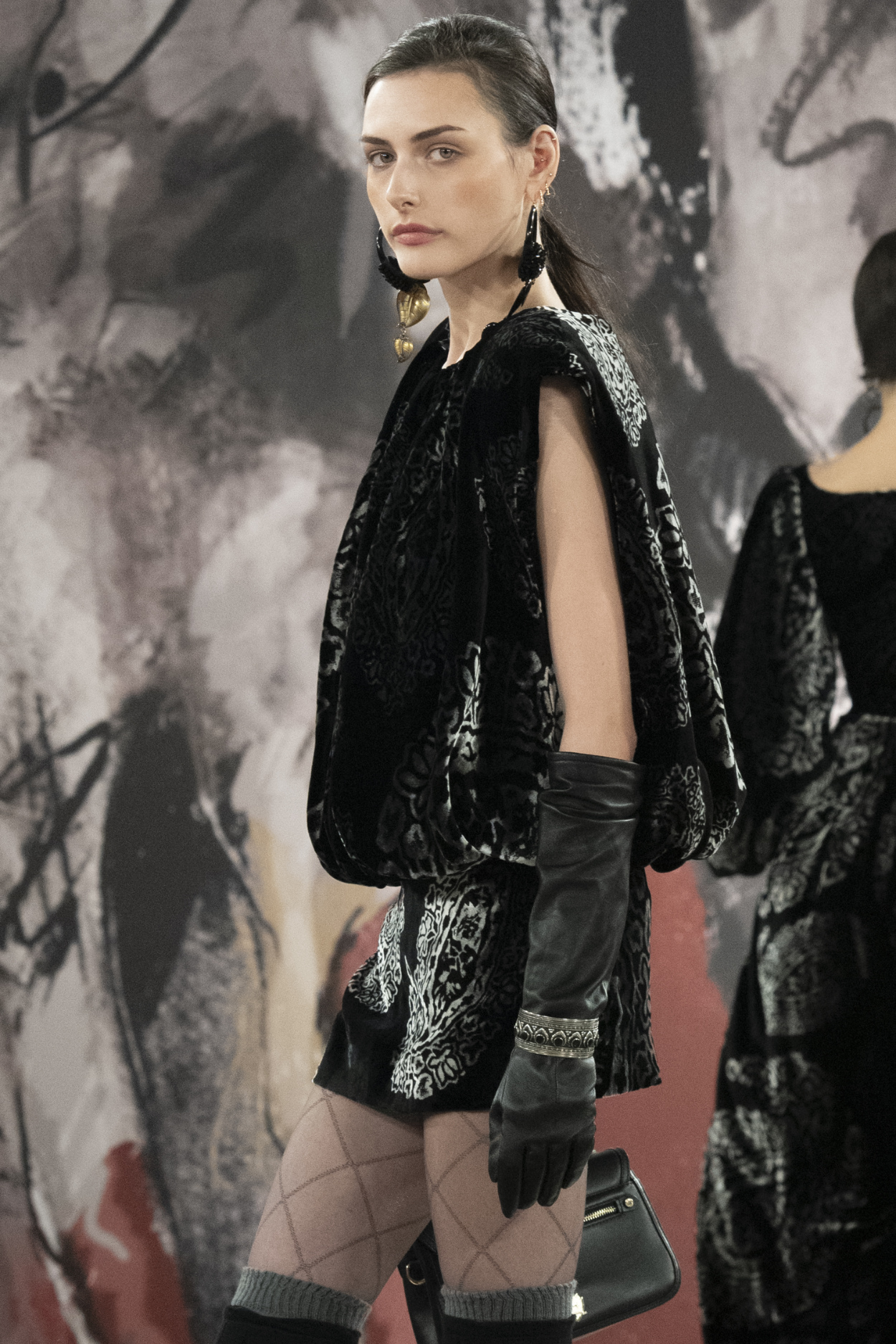
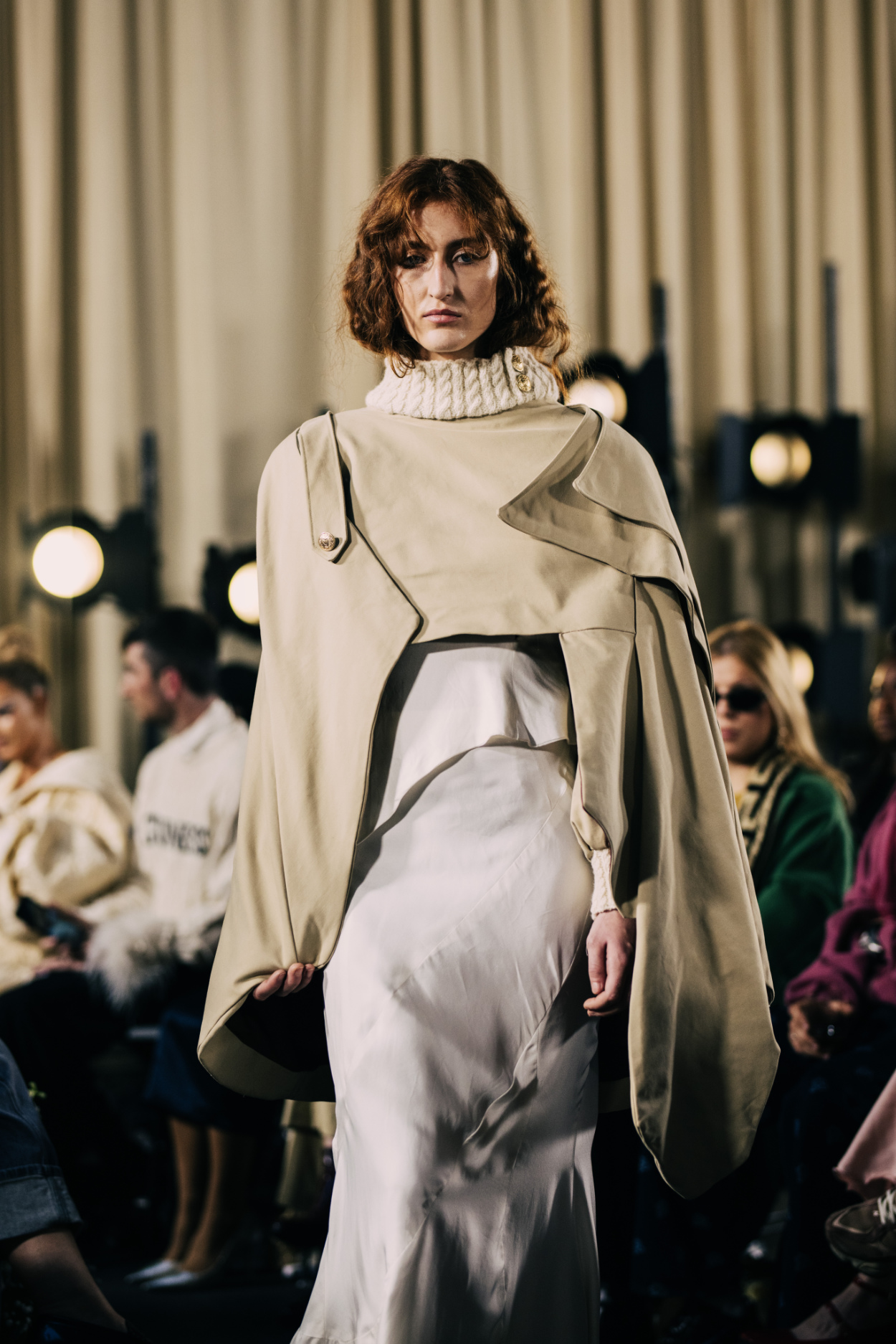
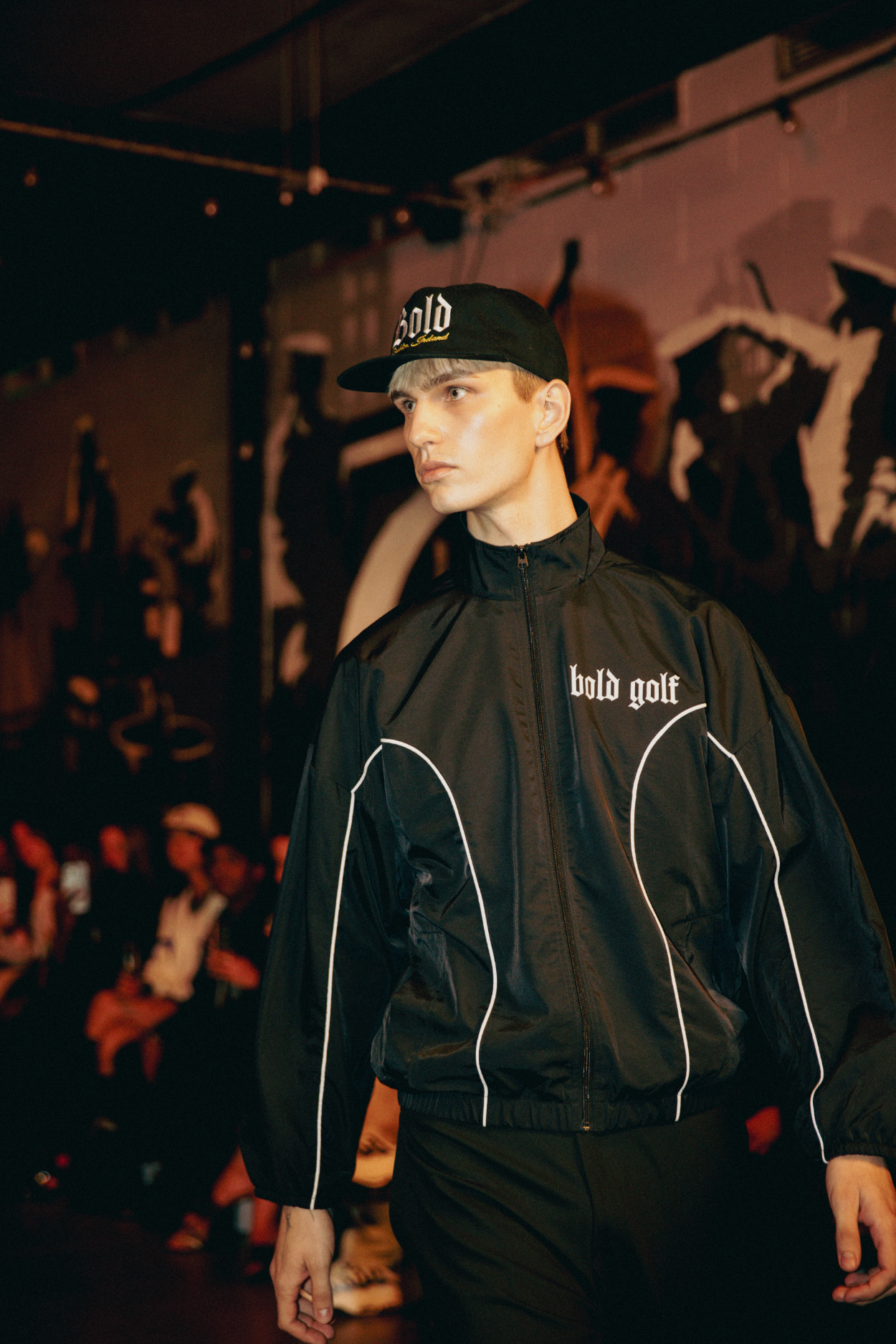
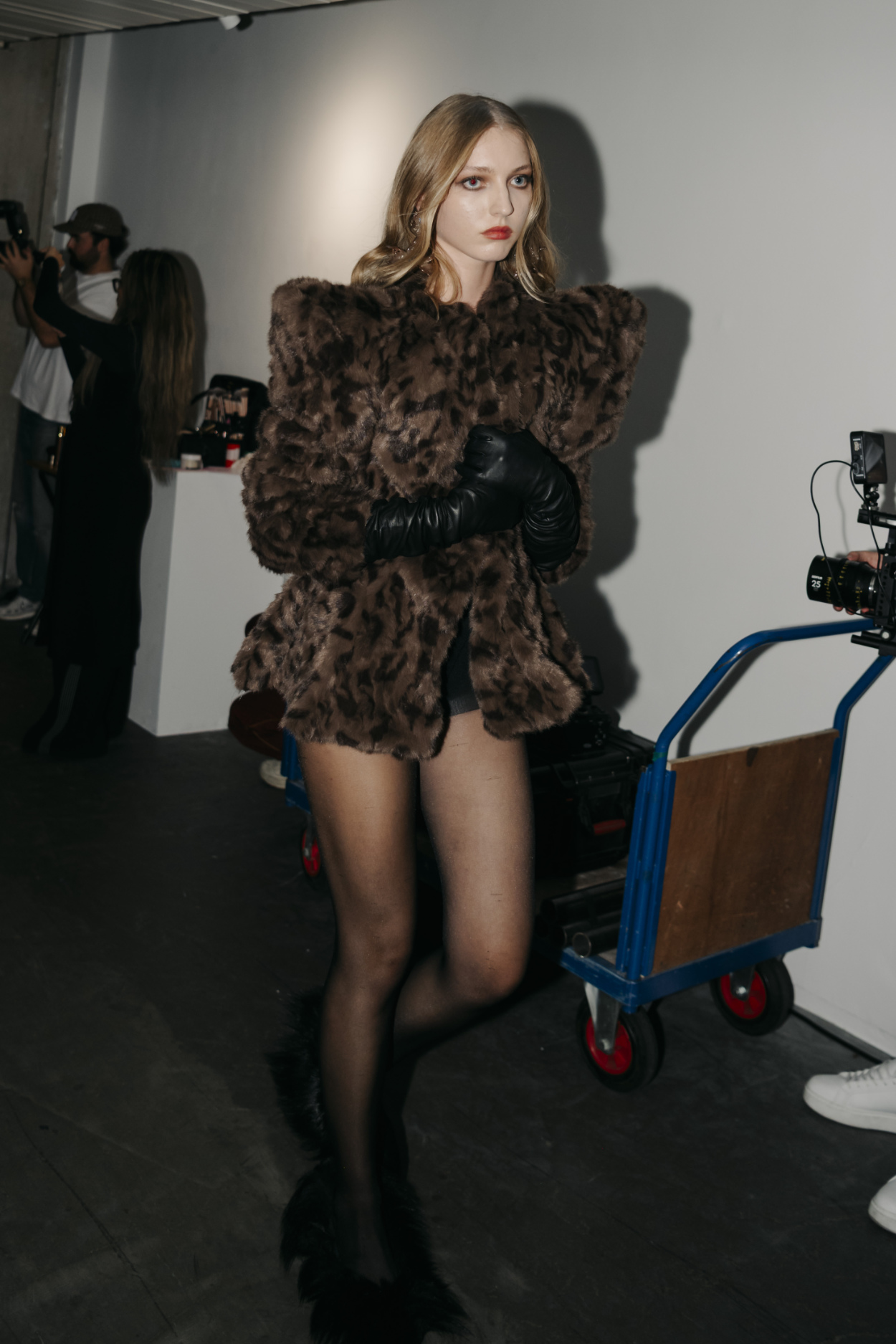
And I think it’s also down to how much people emotionally connect with the brand. So for myself, especially when building out Ireland Fashion Week, I always wanted at the core of that concept to be working with creatives, nurturing creatives. And that is our DNA actually, that’s what we’re doing. And that’s why, for example, last year with Ireland Fashion Week, which is the pillar of our media group right now, it was really important for us to massively really over-invest in photography and videography. We had over 500 people directly employed by Ireland Fashion Week across purely creative concepts, whether it was audio technicians and light technicians to the actual models and the photographers and videographers, because they all brought a unique perspective. A lot of those things we could have completely managed remotely, it could have been managed with AI, but we chose not to do that because creativity from an actual human is at the core of our own values and DNA.
So I would love for it to continue that way for everything that we’re doing, even though we do it technically in a way that’s more costly, but I feel that that’s the only way for us to do it and it’s what matters most. Whereas in the operations, whether it’s how we manage our information, how we manage the actual generating of the folders and whatnot that are used to house all of the content that we’re creating, obviously all of that is AI powered and it allows us to be a really efficiently run organisation.
Let’s end on the long horizon for VYKO. So you’re not new to the business, but you’re new to doing this specifically. You’ve already set some public targets. So I read a conversation you had with the Irish Times, and you said that five years in you want to have ten brands under the umbrella. You want each of those to have grown at least a hundred percent, i.e. doubled, and you want the initial three of those to go from turning over roughly twenty-five million euro combined to a hundred million euro combined.
I think it’d be obvious if you and I come back here in 2031, in those five years and have this conversation again, whether or not you achieved that. You can just show me your balance sheets. It’ll be less obvious outwardly whether you succeeded with what you personally want VYKO and the brands under its wings to do for Irish luxury. I don’t know what that is, and I’d like you to tell me.
Are you setting out to prove that Ireland belongs at the same level on the world stage as France or Italy? Do you want to show that a tech first playbook can leapfrog the kind of entrenched heavy digital transformation giant you talked about. What do you want VYKO’s legacy to be beyond the monetary side of things?
This is a great question and it’s one that no one ever asked me. People are interested in what’s the acquisition strategy, what’s the financial structuring, what are the KPIs, why should I get involved in this, whether it’s a brand or an investor or a partner, because everyone wants to know how are they going to make money out of this. But ultimately, I didn’t do this to make money. If I wanted to make money, I would have just worked in finance. I would have been a trader. I would have gone a totally different route. But it’s not actually what drives me. What drives me is beauty and my love for my country as well.
I’m very proud to be Irish and I’m so lucky to have grown up in a country that gave me so much. And the KPIs for me when it comes to everything that I’m building are actually soft KPIs, they’re qualitative KPIs. But then of course I had to build the hard KPIs around it to make sure that we can run this in a way that is efficient and profitable and that can of course employ people because when I look at sustainability, I look at it from the triple bottom line. You’ve got the people, you’ve got the planet and you have to have the profit.
So for me, the most important things actually with year one last year with the launch of Ireland Fashion Week was an interesting one. And it was that everyone in the country would know it was Fashion Week. That was really important for me because we never had a major Fashion Week in the country before. So I said, we need to start local. I want everyone to be aware it’s Fashion Week. Nobody can hide. It’s very hard to know if we achieved that, but I think we managed to reach nearly everyone in the country. It was very hard to hide.
Year two, the goal is really that everyone in the country owns something from an Irish designer. That wasn’t something that you could have done really in the last two decades. Previously, yes. And then we went the other way. We stopped manufacturing here. It became very expensive. It became a really, really, really undesirable thing to be wearing Irish. It became uncool. We want to change that perception locally.
And then year three, it’s for Irish, not just designers and fashion, but Irish brands to be known internationally, starting within Europe, and then for that to expand. So within the next year that globally, people know one Irish brand outside of the usuals of Guinness and Jameson and whatnot, but really designers, creators and whatnot. And I think that’s for me, that’s my quick test with France. Realistically, most people in the modern world today will be able to name one brand that France has created. Dior, Chanel, Louis Vuitton – they’re household names. If you ask someone for Italy in general, people will know Gucci. If you ask for the UK, people will probably know Burberry. So actually these key countries, they all have someone that’s known. And I think building that out as a kind of a soft goal for VYKO from the beginning was really important because nothing happens if no one knows who you are or what you’re doing. And then it starts trickling down into those actual bottom line KPIs.
Good. Well I’m gonna be vouching for you from that point of view. I hope you realise the vision. I’m gonna be vouching for you from a tech perspective as well. Digital native luxury group grows. I’m invested in seeing what become the best practices for you over time because there’s a lot of opportunity here to do that from the ground up as opposed to doing it in that top down way that we described before. So if you will humour me at some point, I’ll have you back and we’ll see how that went.
I cannot wait to share case studies with what we’re able to do by powering brands with technology. And at the end of the day, freeing up people’s time to focus on what they’re strongest at, which is building beautiful products and beautiful brands.
Perfect. Ashley, thanks for joining me.
Thank you so much for having me, Ben.
And that’s the end of my conversation with Ashley.
Now, I tend to think that fashion media overindexes on covering luxury. I get that it’s the vanguard of the industry in a lot of ways, but I also believe a lot of real process innovation and interesting technology deployment happens in the mid-market and sometimes works its way up as well as down.
But I can’t deny that luxury is a fascinating sector and it’s a world and a language all of its own. And any new entrant that’s working to crack that world is interesting to me, especially if they’re doing it with technology as a foundation, and especially if they’re doing it with the ambition to give a whole country its deserved spot on the international stage.
That’s enough from me for this week, anyway. So don’t forget to tune into The Edit, which is our weekly news analysis show, which comes out on Tuesdays. I’ll be back with another of these big one on one interviews next Thursday. I’ll speak to you again really soon.
