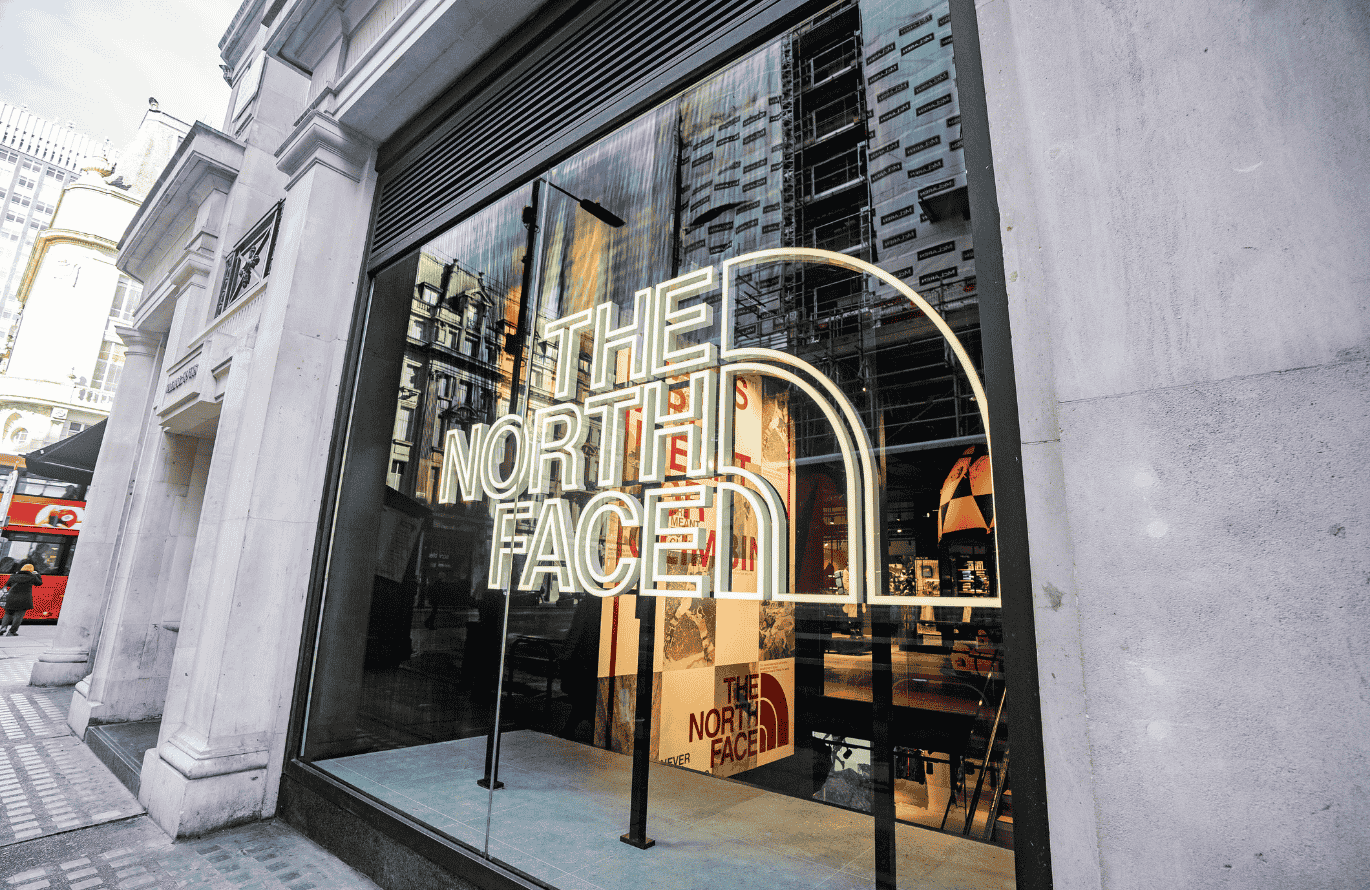
GROENLO, The Netherlands, April 21, 2026 – Nedap (AMS:NEDAP), a leader in item-level inventory visibility, today announced a partnership with VF Corporation (NYSE: VFC), a global leader in apparel, footwear and equipment whose portfolio of iconic active and outdoor lifestyle brands includes The North Face®, Vans® and Timberland®. As part of the collaboration, VF Corporation will deploy the Nedap Inventory Engine across its brand portfolio and 1,500+ stores, creating a stronger foundation for end-to-end inventory visibility and more seamless, data-driven retail operations.
The deployment starts in Q2-2026 with The North Face and will expand to additional VF brands over time. With brands rooted in performance, elevated design and innovation, VF serves consumers worldwide across outdoor, active and workwear lifestyles.
Building a Unified View of Stock
The partnership supports VF’s ambition to create a single view of stock, built on a single, trusted view on inventory across its operations. With the Nedap Inventory Engine, VF aims to enhance stock accuracy, improve product availability and strengthen omnichannel performance across all regions.
In addition to the store rollout, VF has expanded the initiative into its distribution channels, enhancing visibility and supporting efforts to address grey-market activities and strengthen brand protection.
“Our consumers expect the same level of product availability and service whether they shop online, in-store or through any of our brand touchpoints,’ says Carsten Trenz, VP of Digital at VF Corporation. “Unified visibility across our operations allows us to deliver that consistency and build long term customer loyalty.”
Hope Waldron, VP of Supply Chain Strategy, VF Corporation adds: “Extending our RFID program beyond stores to include distribution centers and vendor partners at the source gives us greater transparency across our entire supply chain. That visibility improves our ability to ensure product availability, strengthen brand protection, and deliver a more consistent consumer experience.”
Why VF Chose Nedap
VF selected Nedap following a successful pilot using an alternative solution, after which the company reassessed its long-term requirements for scalability, architecture and global support. Nedap was chosen based on:
- The most robust, innovative and future-proof platform architecture
- A proven track record of guiding and advising organizations through complex rollouts at scale
- A user community that drives continuous improvement and shared innovation across leading retailers
“In today’s retail landscape, unified commerce only works when brands can rely on one consistent source of truth for their inventory,” says Hilbert Dijkstra, Managing Director Retail at Nedap. “VF’s decision to invest in end-to-end visibility reflects a clear vision for the future: the ability to serve consumers seamlessly across any channel. Through ongoing innovation of our platform, we help VF operate with confidence, agility and precision.”
Nedap in Retail
Nedap empowers retailers to turn inventory movement into real-time insight and real-world results. Our Inventory Engine connects item movement across stores, distribution centers, and factories, creating one reliable view of inventory for the entire retail chain. Built on open global standards and trusted by the world’s leading brands, it delivers actionable intelligence that increases availability, improves efficiency, and prevents losses. With tens of thousands of stores live, Nedap provides the real-time backbone that keeps unified commerce moving.
About Nedap N.V.
Nedap is a leader in Digital Twin Technology, bridging the physical and digital worlds in Healthcare, Livestock, Retail and Security. Through our Technology for Life philosophy, we create sustainable, forward-thinking solutions that help people and organizations succeed in an ever-changing world.
Nedap has a workforce of over 1,000 employees and operates on a global scale. The company was founded in 1929 and has been listed on Euronext Amsterdam since 1947. Its headquarters is located in Groenlo, the Netherlands.
About VF Corporation
VF Corporation is a portfolio of leading outdoor and active brands, including The North Face®, Vans® and Timberland®. VF is committed to providing consumers with innovative products that are rooted in performance and elevated design, while delivering sustainable and long-term value for its employees, communities, and shareholders. For more information, please visit vfc.com.