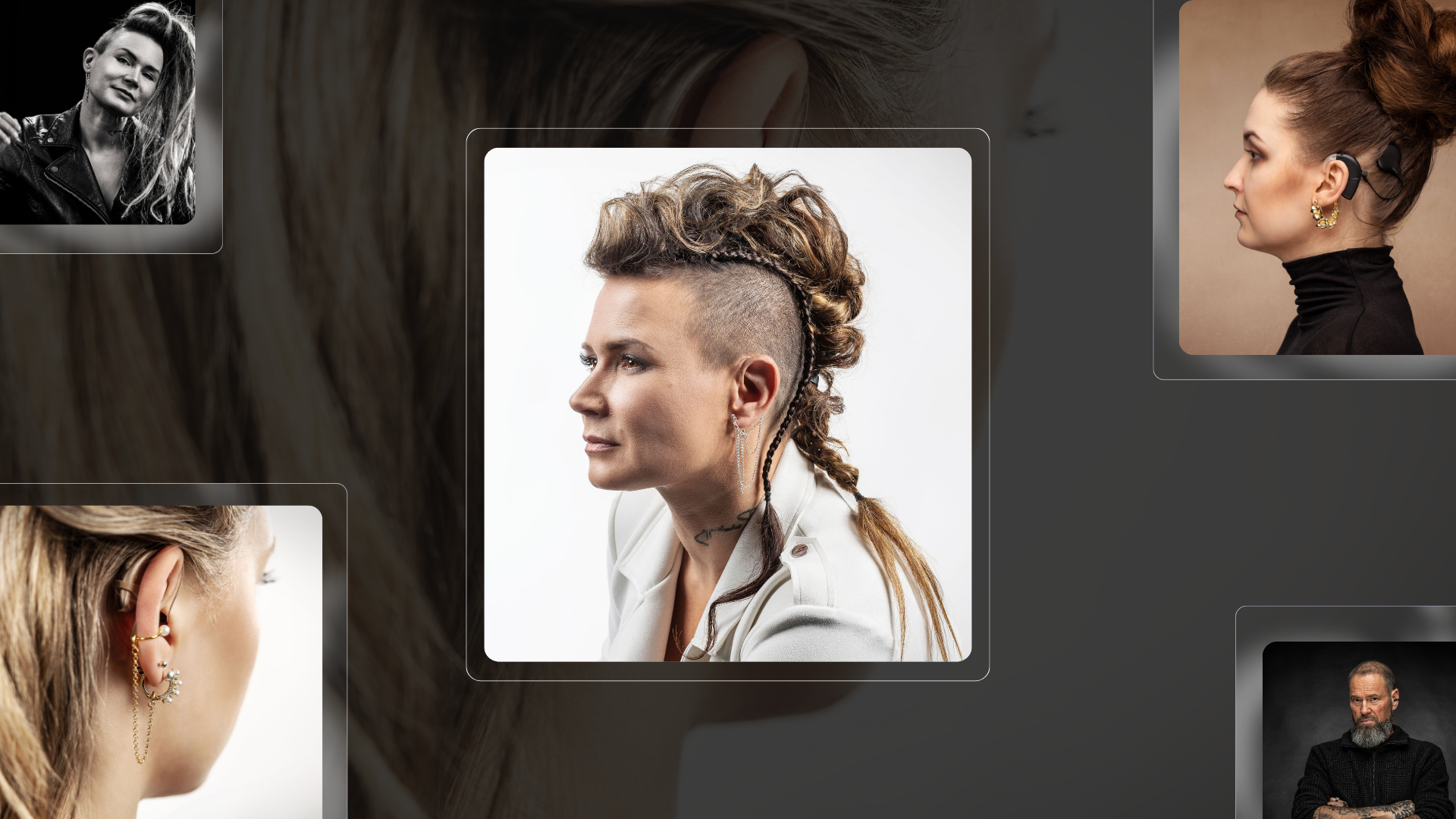
Hey, welcome back to The Interline Podcast. We’ve talked about wearable technology on this show before, and we’ve certainly done it on The Edit, which is our Tuesday show with me and Grace. We’ve covered jewellery and accessories plenty of times in the past as well. What we haven’t done, I don’t think, is talk about where those two things cross over.
That is where wearable technology in the most literal and necessary sense, technology that someone has to wear for a medical purpose, meets the kind of self-expression that has made jewellery and accessories one of fashion’s fastest-growing categories, according to the BoF State of Fashion Report for this year.
Now, I live a privileged life in that wearable technology, as it exists for me, is optional and additive. I could wear a smartwatch, which I do, or a pair of smart glasses, which I don’t, because I think they might add something to my life, and because I can take them off again if I want to. I get to make fairly easy decisions about the technology that goes on my body. I can decide, case by case, whether having something on me is worth the inconvenience of wearing it, charging it and so on.
I’ve listened to The Verge’s podcast pretty religiously for years, well before starting The Interline Podcast. One of the hosts there has what they call the ‘theory of wearable bullshit’: technology has to overcome the penalties of being something that lives on your face, your wrist or your top pocket by providing functionality worth the overhead of putting it on your body.
In my case, I wear my Apple Watch every day because it does a couple of things that are valuable to me. It unlocks my computer when I sit down, because I run it in closed-clamshell mode attached to a Studio Display, and it unlocks my car. I just tap it on the reader and I’m good to go. That’s well worth having something on my wrist that looks pretty nice, at least subjectively, and is only mildly uncomfortable if I leave a metal strap on it all day. Fairly easy trade-offs.
I also wear prescription glasses to read, drive, use a computer and watch TV – or I would if I still had time to watch TV. Running The Interline and having three kids hasn’t exactly been conducive to that. We don’t think of glasses as technology, but they are still a device I put on my face to see clearly, and they stand between me and the person I’m talking to. So I care about their aesthetics. They serve a function, but they have a form as well.
All of this is necessary preamble to the central premise of today’s show. There is a huge audience that either already wears necessary medical technology or needs to, where the functionality is essential and there is no real option to take it off and return to life without it.
In many of those categories, though, the aesthetics of the device have played second fiddle for a long time. Social stigma attaches both to the look and the purpose of medical technology, and it can lead people to resist using or wearing something even when its functionality is essential.
Today’s guest, Jenni Ahtiainen, has built a business around addressing that. She’s the designer and founder of Deafmetal, which creates jewellery and safety solutions for hearing devices. She lives with hearing loss herself, so she’s an everyday user of wearable technology in that literal sense. That’s very different from the optional, light-touch technology I can choose to wear and forget.
She also has plenty of first-hand experience, through her own life and her conversations with customers, of understanding and challenging the stigma around hearing devices through creative design and innovation. Jenni’s personal story is interesting, and I encourage you to read about it, but this is The Interline after all.
I want to talk to her as a business owner, a fashion designer and somebody working directly, and somewhat orthogonally, with technology. It’s a subject we haven’t covered on this show before, and one I suspect many listeners don’t often think about. I’ve chatted to Jenni before, so I expected an interesting conversation, but it still went to places I didn’t predict, and I think you’ll get a lot out of it.
So let’s roll.
Never miss an episode
Get notifications for new podcast episodes, plus our weekly news analysis, events, and more, delivered straight to your inbox.
NB. The transcript below has been lightly edited.
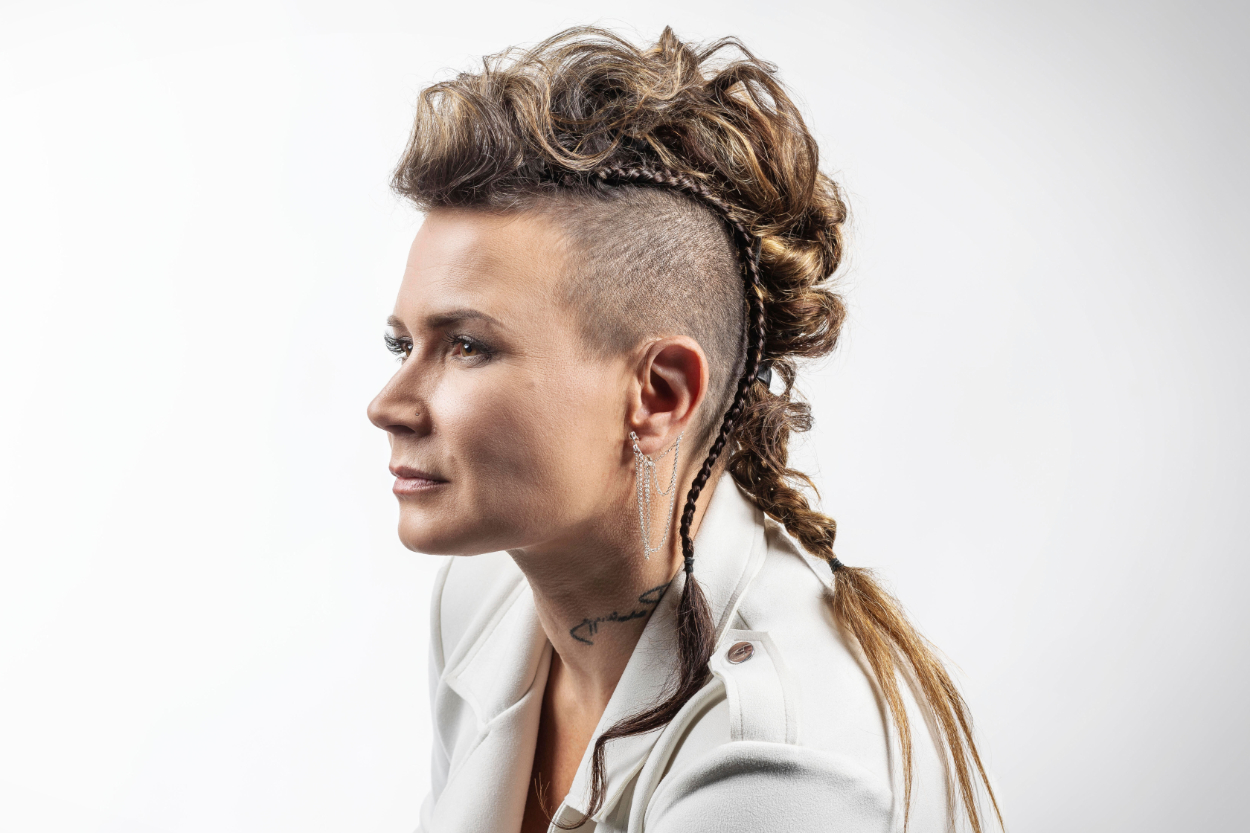
Jenni Ahtiainen, welcome to the Interline Podcast.
Thank you.
I’m excited to have you on. There’s a whole bunch of things we can talk about today that we don’t usually get to talk about. I think we’re getting into some interesting space across wearable technology, design and a whole spectrum of other things.
One of the first things we do on these shows is ask our guests to explain what their typical day-to-day looks like. Some people’s are easier to guess at than others. A CMO’s job, for example, is fairly easy to understand. Yours is trickier: you run Deafmetal, a design studio producing jewellery, innovation and safety solutions for hearing aids, cochlear implants and bone-anchored hearing aids, or BAHAs.
As far as I can tell, you’re the person doing all the designing there. Deafmetal is also a direct-to-consumer business, shipping jewellery to more than thirty countries from a single location in Helsinki. As of this year, you’re running a B2B programme selling into audiology clinics, so people can be introduced to the jewellery when they are diagnosed with hearing loss or fitted for hearing aids. You’re also in the middle or at the end of a fundraising round, which is a challenge in itself.
When you sit down in the morning, what are you actually sitting down to do? How much of your time is still spent designing jewellery, and how much is dedicated to running and scaling the company?
Okay. This is a funny question because, when I really start to think about it, I don’t have a typical day any more.
I started the business doing design and a little bit of entrepreneurship, which was quite minimal. Mostly, I was focusing on designing and innovating. Now that we’ve been growing, and with the funding round going on, I don’t have a typical day. Sometimes it’s a circus.
I would really like to design more, but at the moment I need to focus on business development. And innovation isn’t only about developing new products. The audiology clinic programme, which we offer to our B2B retailers, is a new innovation too.
My brain is attracted to new things and developing new things, but it depends on the day and the time of year. Right now, after the summer, we’re preparing for the biggest audiology fair in Germany every October. This will be our third time there, and it is purely a B2B exhibition.
We paused the funding round during the summer because we realised we could get through the rest of the year, and the rest of the year was starting to look good. We’ll probably open it again with a slightly different valuation at the beginning of next year.
A typical day involves designing, developing the company, answering questions about shipping, logistics and product control. We’re also opening a big campaign, a movement campaign for hearing-aid users, which will work through social media. I’m basically the chief of that. It was my idea, but thank God I don’t do everything by myself.
The days can be a mess, but I try to get things done. Being able to control the mess is probably one of the most important capacities and talents you need. If you have a lot of ideas and things to do but can’t control the mess, you’re in trouble.
Very true. Controlling the mess is probably a good way to describe what it’s like to run the Interline as well. That’s really the key.
The second thing we like to ask guests to do early on is define something. This time, I think the right call is to make sure everyone listening is working from the same understanding of the different types of hearing loss and the different hearing devices on the market.
Like a lot of people, my knowledge is stuck at the idea of hearing devices as amplifiers: they make signals bigger and louder, which is what hearing aids do. But implants do something mechanically different, and the object a person wears is different in form and function as a result. Can you define those devices for me, and explain how you approach designing for them, so people can picture what we’re talking about?
Yes. I’ll try to be very simple. Most people know the behind-the-ear hearing aid, called a BTE. There is also a RIC hearing aid, which looks similar and basically works in the same way: it amplifies the voices you hear.
Those devices are helpful when your hearing is getting worse and you need to amplify sound. A RIC device has a little loudspeaker inside the ear, with a small wire going into your ear. The other behind-the-ear hearing aid has microphones at the back but doesn’t have the loudspeaker inside the ear.
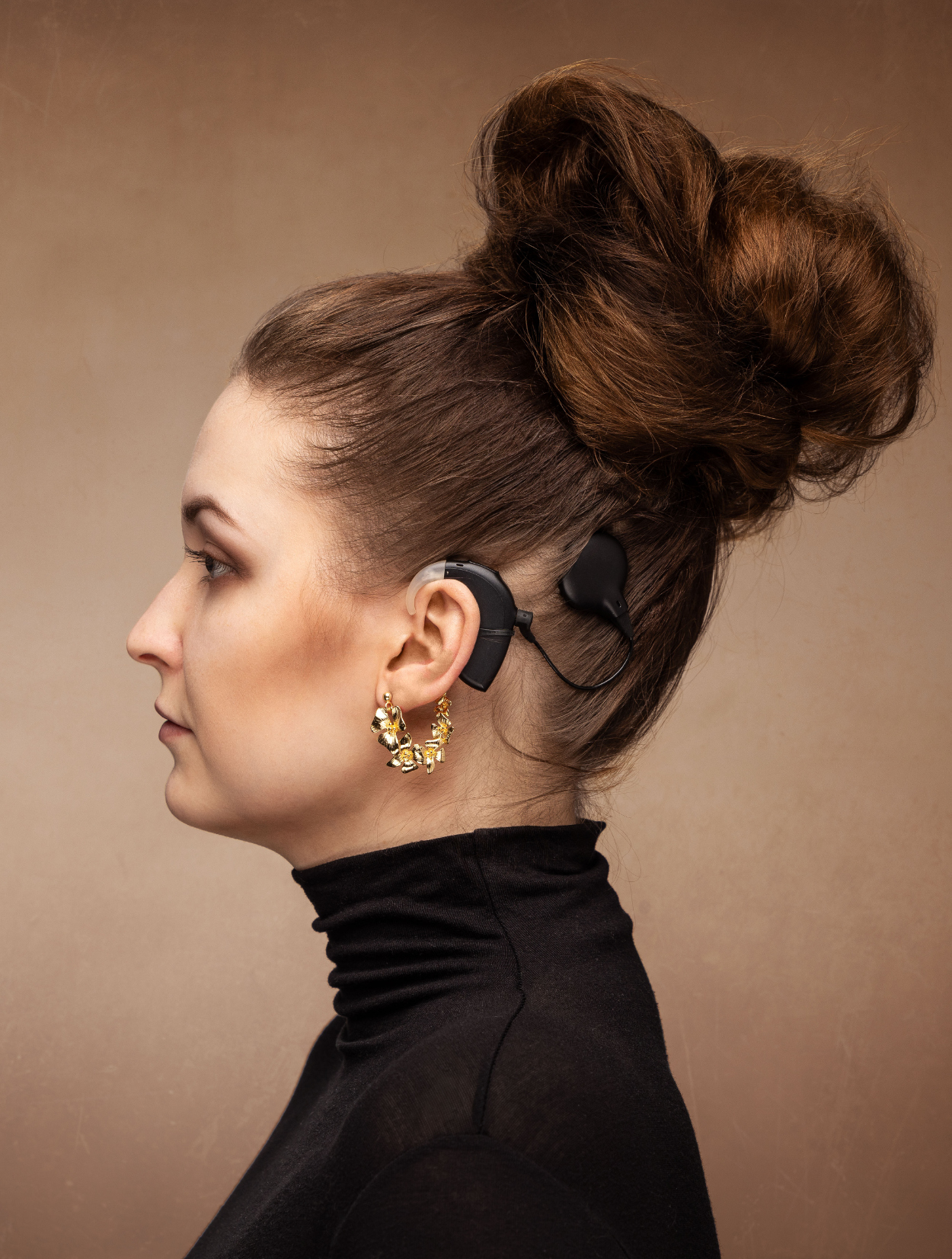
Then there is the cochlear implant, which is attached to the back of the skull with a magnet. It works electronically by stimulating the hearing nerve. A bone-anchored hearing aid transfers sound through vibration. If your hearing is already very poor, or you were born with hearing loss, the vibration transfers sound into your hearing system and your cochlea.
That helps explain the functionality. I’d also suggest that listeners look at pictures of what the different devices look like, because that helps explain what it means to innovate at the jewellery and accessory level, including safety. The Deafmetal website is a good example of how jewellery fits each type.
A few months ago I hosted an episode with two senior people from Visages, a French company trying to disrupt eyewear. The important thing that conversation shares with this one is that people probably don’t realise how heavily consolidated and monopolised the eyewear and hearing-device industries are. I did some background research and I think around five companies control about 90% of the hearing-device market, with Sonova and Demant among the biggest.
If you were launching a competitive hearing-device company, we’d talk about supply chains and materials monopolies. Instead, I want to focus on how that kind of consolidation can produce very flat ideas about design.
These companies approach hearing-device positioning, marketing and design through discretion. They make products as invisible as possible, with the objective that nobody knows you’re wearing one. You’re doing the opposite: making devices beautiful and personal rather than mechanical and discreet. Why do you think the industry went in this direction, and how did it become the default?
I would have expected at least one outsider to buck the trend and say, ‘I don’t want to minimise this. I want to make it visible.’ But I don’t live with hearing loss, so I don’t have first-hand experience. I want the audience to hear from somebody who knows it from the inside.
In general, the hearing-aid industry has focused more on audiology and engineering than design because the technology is still quite new and developing very quickly. I would say there are around ten big companies around the world. I call them the big boys.
Their job is to focus on hearing aids, not the jewellery part or the design. I had an interesting conversation about this. About a year ago I visited a hearing-aid museum in the Netherlands and saw hearing aids made by the bigger companies, but their main business is engineering and audiology. They offer safety solutions for many hearing devices, but not for behind-the-ear and in-the-ear hearing aids, which may need a safety system most. The only thing they provide is a kind of safety part to keep the hearing aids safe. There is no jewellery.
I met a person from MIT and tried to explain what I do. Some of the world’s biggest innovations have come from MIT, and I said, ‘I’m trying to fix the problems your professors solved.’ They solved the problem in many devices, including hearing devices, but they totally forgot the user.
Eyeglasses are a good example. Originally, they are aids that people need in order to see better. But the eyewear industry understood that, because glasses sit in the middle of people’s faces, it also had to consider how they look.
The same should have happened with hearing aids. When people think about hearing aids, they often imagine a huge, beige and ugly-looking device. That was in my head too when I got my first hearing aid and didn’t know what it would look like.
I think hearing-aid manufacturers have assumed from the beginning that people will feel ashamed of bad hearing. By making devices smaller and smaller, they give people the direct or indirect message that there is something to hide. That is a paradox, and it is something I want to change. We aren’t selling just jewellery. I’m trying to make a cultural change.
When I got my hearing aid, Deafmetal didn’t exist. I understood that this little piece, this little fucker, would be part of my body for the rest of my life. My hearing probably wasn’t going to get better; it was going to get worse. Because that little piece would be part of my body, it should look like me. It should be part of my identity and personality. That’s how Deafmetal was born: I made the first jewellery for it.
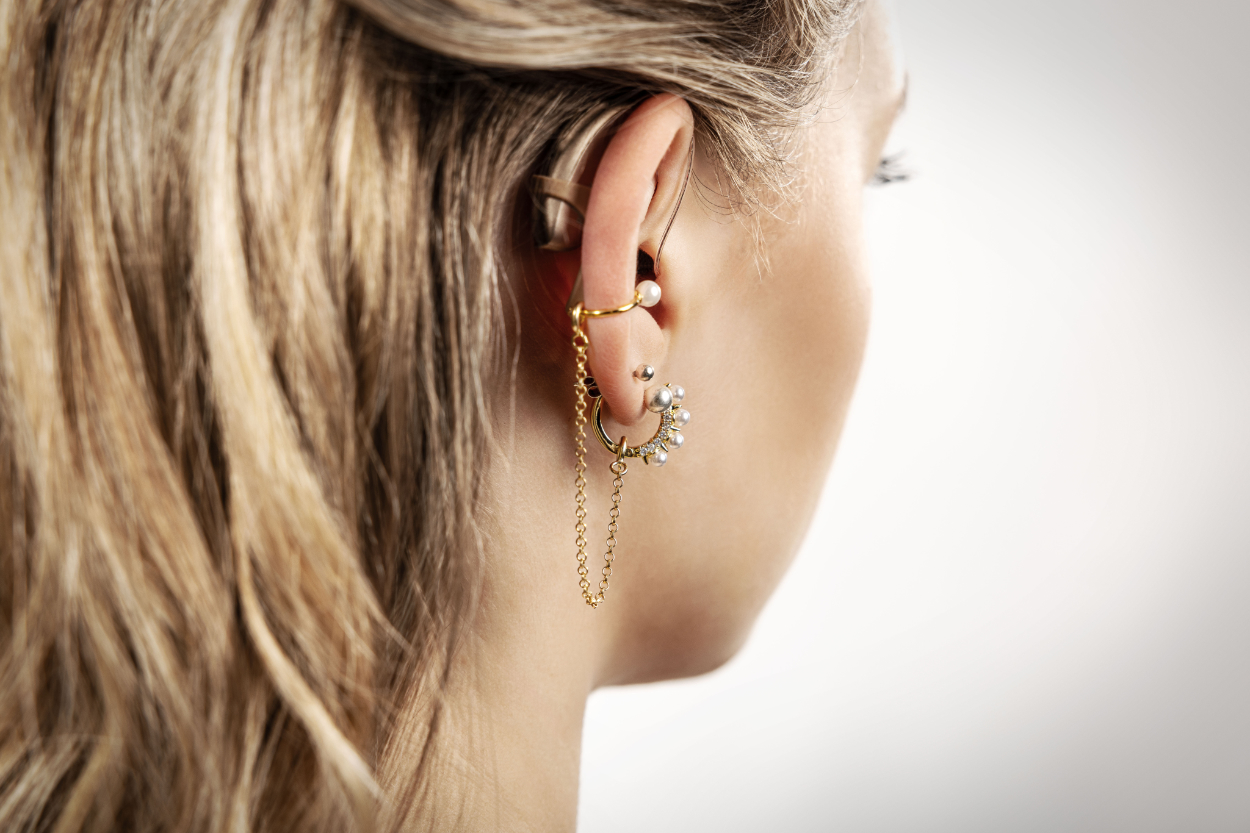
We don’t have a typical customer. Our customer can be a five-year-old child or a 95-year-old man. We aren’t talking only about jewellery; we have two selling arguments. One is aesthetics, which is more obvious: you can transform your hearing aid so it looks more like an earring. The other is safety. When I look at what people buy from our web shop, they buy more safety products than jewellery, although the safety products look like jewellery.
For people who aren’t familiar with hearing devices, what are the safety features? What do you need from a safety point of view, and what do they do?
A safety product can be a safety ring. Deafmetal is constructed with a jewellery fastener, and each hearing-aid type needs a slightly different fastener. You attach the jewellery to that fastener, and then attach the safety ring to your ear.
The number of people who lose their hearing devices is terrible. My hearing aids cost about €5,000 a pair. They are expensive enough that I can track them down, but if you lose a hearing device and don’t have insurance, you need to buy another one to get by. That is why people are interested in safety products.
Another simple product is a safety chain. The chains are so short that people can’t even tell they are attached to your ear. They look like little earrings.
A year ago at EUHA, the audiology fair in Germany, we launched Safety Clip. The main audience was older men and young children who don’t have ear piercings. Those are purely safety products.
The jewellery business is also growing, even though the price of silver and gold has increased because of the world crises. People are increasingly interested in investing in personal jewellery. We have returning customers who no longer buy the fastener parts and buy only the jewellery, and they choose bolder pieces all the time.
The style argument starts to address some of the stigma. The jewellery is where the line sits between feeling ashamed of hearing loss and wanting to accessorise and express yourself.
Even a safety ring made from gold, silver or rose gold shimmers in your ear. Imagine meeting an older woman with a gold ring in her ear. You don’t know it is a safety ring; it just looks like a ring. You also see that she wears hearing aids.
That ring creates a conversation point. Without it, how easy would it be to start talking about the hearing aid? I wanted you to have video on during this interview because I want to see your face and read your lips. With other hearing-aid users, it is the same. They cannot be behind you when you talk; I focus on the person speaking and lip-read.
When someone sees the jewellery, they can say, ‘What’s that? It’s really nice. What is that earring?’ The person can answer, ‘It’s not just my ring. It’s my hearing-aid jewellery.’
Jewellery was named the fastest-growing fashion category by unit sales in this year’s McKinsey and BoF State of Fashion report, growing at about four times the rate of clothing. People are also becoming more comfortable buying jewellery for themselves as self-expression rather than as gifts.
That sounds like a strong set of conditions for what you’re building, but it also seems like something other brands will try to enter. Auzi, for example, sells similar jewellery at much higher price points. Do you see this category growing into one with multiple brands and companies?
I hope there will be a new category. I’ve seen something happen over the last eight years. When I started Deafmetal, I made the solution for myself; it wasn’t based on a market study.
It has been nice to see that people with similar ideas, who want to make hearing aids more beautiful and focus on the visual side as well as the functional side, have started to gain ground. Something is developing, and I feel we have the same goal.
In the long run, I am more interested in the cultural transformation than Deafmetal being the market leader: people talking openly about hearing aids, rather than only talking about stigma and shame. I think I’m a pioneer who started something, and I would love to see what result we have.
Another source of disruption is wearable technology. Technology has to work hard to earn a place on your body, so the better bet is to integrate it into something you’re already wearing. That’s why smart glasses have become so big, and it may also explain the increase in hearing-device adoption after Apple turned AirPods Pro 2 into approved hearing aids.
That isn’t a viable route for implants, because they work differently, but do you think integrating hearing-aid functionality into existing product categories will run alongside your work?
Yes, definitely. They are already getting closer to each other. We have music amplifiers and hearing aids, and they are moving closer together.
One company already combined loudspeakers with hearing aids, and the audiology sector became terrified. I don’t remember the brand, but I think it was too early at the time. I can see the categories moving closer together.

Technology companies trying to earn a place on the body hire fashion experts or collaborate with fashion brands. Meta worked with EssilorLuxottica on Ray-Ban, Google is partnering with Warby Parker and Gentle Monster, and Apple brought Marc Newson in to work on the original Watch, which incorporated a long partnership with Hermès. Why haven’t hearing-device companies done this?
They have. We have.
Tell me what those collaborations look like. Give me some examples from the manufacturers.
They have commissioned separate collections. About two weeks after I founded Deafmetal in 2018, a company contacted me and asked me to design a collection, which I did. Phonak was the second company to contact me, and Sonova was another.
Whenever we go to a fair, such as EUHA, manufacturers come to our booth with their newest device and ask, ‘Could you innovate something for this?’ I remember meeting people from Austria at an exhibition in Australia in 2022, and they brought their newest device.
For manufacturers, starting the whole process is difficult because jewellery is a completely different business from hearing devices. Creating a jewellery business as a side business is something they don’t want to do. That’s why we are here: we collaborate with them.
Is there a world where we see collaborations between hearing-device manufacturers and bigger brands?
The clinic programme we are bringing to audiology offices is a tool for audiologists at the early stage, when someone is getting a hearing aid. When you receive a hearing aid for the first time, you go to an audiology office and they introduce you to it.
That is the point when you first touch the hearing aid and decide whether you like it. Previously, the audiologist could ask whether the aid fitted and whether you could hear with it. Now, with our clinic programme, they can also ask how you would like it to look.
Would you like it to be safer on your ear? Would you like a clip? Do you play football? Can we offer an accessory so you can run with your hearing aid? Or would you like a little pearl if you are an older woman who likes pearl earrings? The audiologist can provide a more personal aspect to the hearing aid.
One of the biggest things I discovered while developing the clinic toolbox was that audiologists, like hearing-aid manufacturers, need to stay in their own area. They need to do their job, which is to fix hearing. They are not jewellery sellers.
That is why the clinic box is filled with samples and top sellers. The samples are not meant to be sold. Audiologists use the box to introduce customers to Deafmetal. If the customer gets excited, they can buy from us at a discount, and the audiologist can make a small side business from it.
An audiologist is an audiologist, and a jewellery designer is a jewellery designer. You cannot mix those things.
Fine. And a hearing-device engineer is a hearing-device engineer.
Yes, exactly.
That specialised, highly individualised expertise makes sense. One final area I want to ask about is generative AI in consumer-facing content and marketing. There has been a lot of debate about whether using image-generation models to add representation and inclusivity to casting does the opposite of what it is supposed to do.
You’re a hearing-impaired founder, and you’ve wanted to use real models who wear hearing devices in your campaigns. I think that is important for fashion to consider more generally. What’s your perspective?
AI is a wonderful tool. I use it a lot in my operational work, but I would never use it for this. That is a conscious decision we made with our team: we are never going to use AI humans as models.
I couldn’t be the owner of a company using artificial humans as models to erase stigma. I think that would increase the stigma. It would be fake.
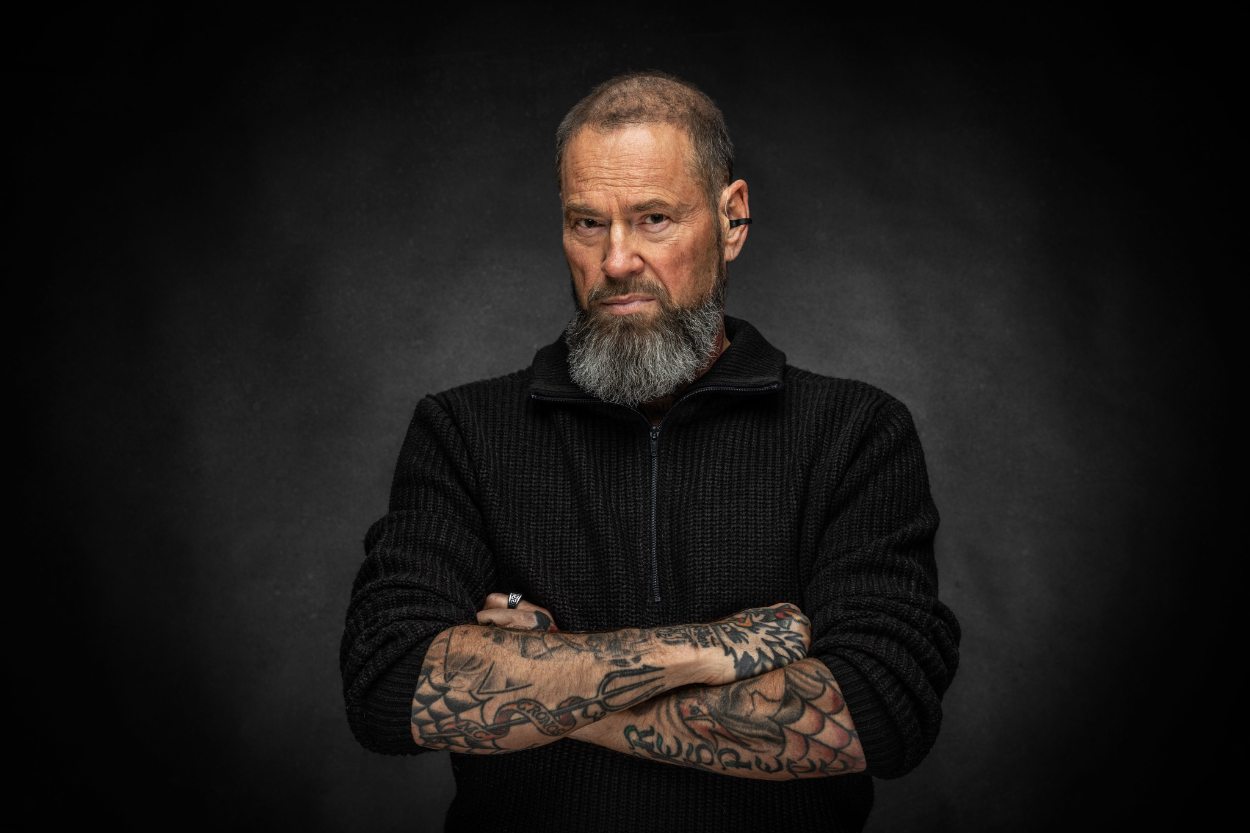
The pictures of our models are all real hearing-aid users. We don’t take a person with normal hearing, put hearing aids on them and ask them to model for us. We don’t do that.
Authenticity is important there. I think you’ll see an increasing number of brands go down that road. You mentioned pausing your funding round and coming back with a different valuation later in the year. What’s next between now and the end of the year, within the scope of what you can talk about?
For the rest of the year, we are focusing on business development. We think the rest of the year is going to be good, so pausing the funding round was the wise thing to do.
Originally, I wanted a Finnish investor. I tried, in the end desperately, to find one. The biggest contacts and most interesting conversations came from the United States. When the difference is that big, we need to change some things, because it looks as though the investor will not be found in Finland and will probably be overseas.
We need to do some internal things to prepare ourselves better. Business development is the main thing I am focusing on now. We are bringing two new innovations, one of which will launch at EUHA in Hanover in October.
Then we have the SCENE campaign. It will be our first social-media movement, and we are trying to mobilise all the biggest hearing-aid manufacturers to participate. It should bring hearing-aid users closer together and unify the sector through user stories.
The message is to empower people who know they have hearing loss and probably need a device, but are on the verge of feeling ashamed. We want people to be open about it and have the strength to get their hearing checked.
If people think they have a hearing problem, they should address it. Studies show that untreated hearing problems can have side effects such as memory and learning problems, with some connections to Alzheimer’s and dementia. If the brain is not being stimulated because of poor hearing, that is logical.
This is something I want to talk about more openly. If people have poor hearing, they should get it fixed. One target of the campaign is people with hearing loss who do not have hearing aids, so they will get their hearing checked. Those are the biggest things.
I will be keeping an eye out for all of those. Jenni, thanks for being so open and for talking through such a broad range of questions: the medical side, the aesthetic side and the business-building side. I’m keen to see where things go for you.
For now, thanks so much for talking to me. I’ve enjoyed it.
Thank you. And I hope you got something from it.
And that’s the end of my conversation with Jenni. As I said earlier, I think there’s a whole category emerging here of jewellery, innovation and accessories. It will need a different framing from the way we talk about wearable technology, including smart glasses and accessories today.
I know for a fact we’re going to see new takes on the form factor of technology that goes on the body in the second half of this year and into 2027, alongside the different takes we’ll see on technology that lives in the home, such as ambient technology. When that happens, bear this discussion and Jenni’s perspective in mind.
I’ll be back next week with something completely different, so I’ll talk to you again really soon.
