
Key Takeaways
- Yesterday’s release of Grand Theft Auto 6, which early data suggests will be the biggest entertainment launch of all time, is a reminder of fashion’s on-again-off-again flirtation with videogame collaborations.
- Fashion and lifestyle brands have increasingly turned to sports as an avenue for cross-channel visibility (including a just-inked partnership between Nike and F1) and as a way to tap into growing cultural cachet, but the industry has placed comparatively little emphasis on gaming as a route to the same.
- Concerns remain about the brand-safety of both mature videogame franchises and the less savoury aspects of gaming culture, but a larger challenge is aligning fashion’s forecasts and product development calendars with the unpredictability of gaming release dates, or making calculated bets on stock and replenishment when gaming, at a whole-category level, is a much less sure-fire bet than GTA would suggest.
It seems redundant to say it, but videogames are big business. And we mean staggeringly big business.
Grand Theft Auto 6 (“GTA6”), which launched yesterday, appears to be comfortably one of the biggest games of all time: Sensor Tower estimates it had shifted close to 25 million copies by the end of launch day, including pre-orders. Videogame launch windows tend to get assessed over an extended-weekend period, so the jury is still out on the official take-off, but for context its predecessor (GTA5) made $1 billion US in its first three days on-sale, securing several Guinness World Records in the process, and with the standard US edition at $79.99 a copy (or licence, more aptly), the newest instalment is already estimated to have generated $2.36 billion in retail sales.
The previous game also then went on to sell at least 230 million copies across its lifetime. If GTA 6 can equal or surpass that feat, that would put it comfortably in the upper strata of all-time money-spinning media properties, in the rarefied company of juggernauts like Minecraft, Tetris, and the Pokemon series.
And, well, it needs to land there. Because despite that dismissive-sounding “instalment,” the Grand Theft Auto series is no cheap, lazy annualised sports franchise farmed out to a publisher’s support studio. There have been thirteen years between releases, and although GTA 6’s overall budget is still under wraps, a Bloomberg profile and a bunch of informed amateur sleuthing peg its development cost at somewhere in the region of a billion dollars, or in the ballpark of one of the most expensive films ever made.
The Interline, despite being staffed by people who have played videogames for their entire lives, has not actually played GTA6 yet. Those same people also have children and deadlines, including this one. We have, though, watched a lot of video coverage of the game, and it’s clearly a significant milestone in real-time graphics and urban simulation, as well as taking developer Rockstar’s in-universe, lawyer-dodging brand pastiches to new levels.
Looking around, though, we suspect we might be the only team where someone isn’t out of work this week, with a PS5 or Xbox Series X controller in their hands. Staffing companies have jumped at the chance to document a wave of both planned and unauthorised PTO that coincided with the launch. BrightHR estimates that UK employees booked 83,000 days of leave across November and December to play GTA VI. And in the US, 18% of salaried workers surveyed by BambooHR said they planned to take launch day off, rising to 32% of Gen Z workers and 27% of millennials.
But you don’t need to actually own a console, or even be in a house with one, to have seen snapshots into Vice City, the GTA series’ fictional analogue for Miami, either this week, or in the build-up to the game’s launch. In October, 86% of British adults told YouGov they had heard of Grand Theft Auto, the series, and a third of all Britons have played a game from the series. And this week a walk down London’s Oxford Street, or an evening courtside, would also have given you some exposure.
All of which is necessary preamble for getting to grips with why fashion, by and large, seems to have let this moment pass it by.
There is, we need to point out, potentially a reputational reason for the comparatively minimal splash that GTA6 has made in the world of apparel and footwear. The GTA series has always been, and remains, an 18-rated series here in the UK, and has equivalent ratings in the USA and EU. Despite increasingly sophisticated performance capture and progressively less edgy storytelling, these are still games set in, or just above the surface of, the criminal underworld of proxies for Miami, New York, and Los Angeles, and crammed with a very acquired-taste kind of sledgehammer parody. There are no small number of brands who simply won’t want to be associated with a property whose title is a literal felony.
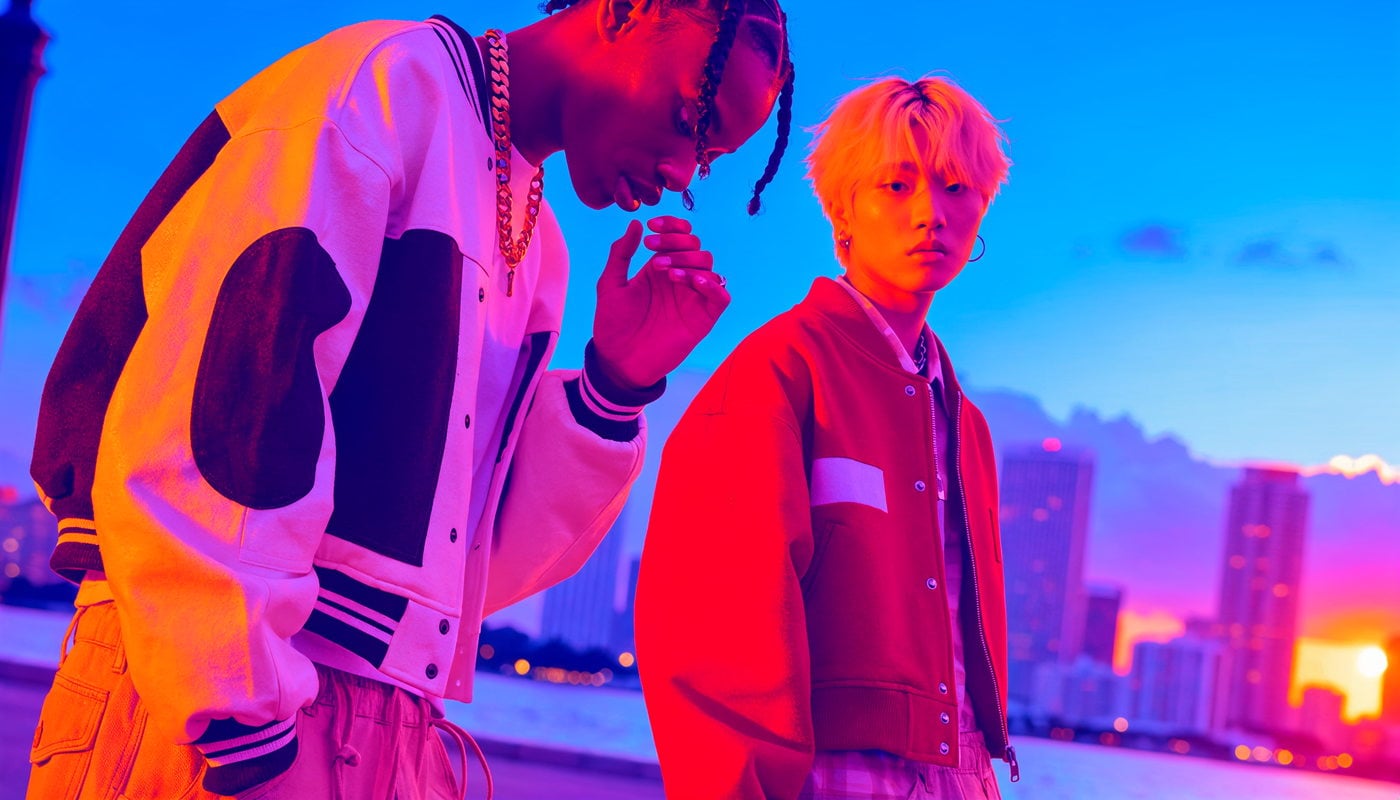
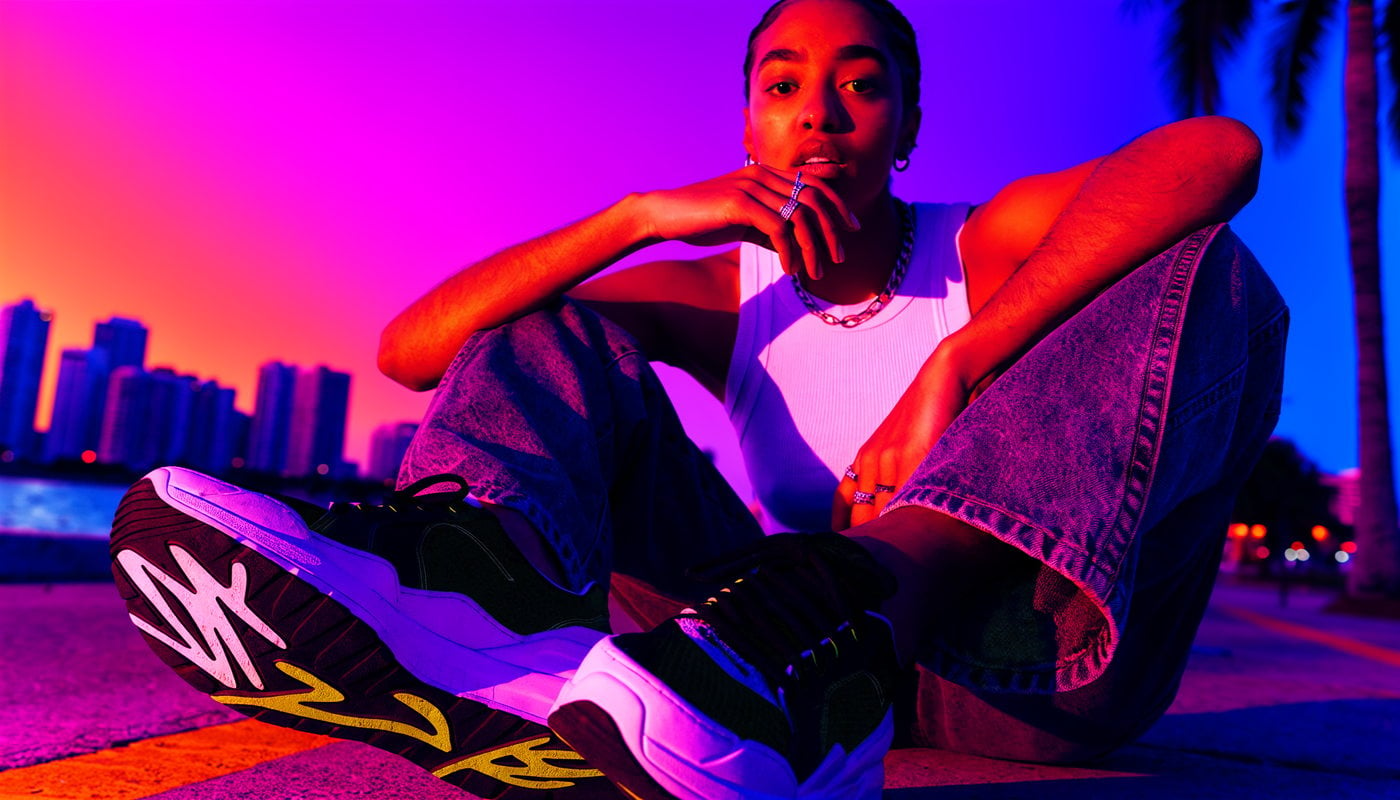
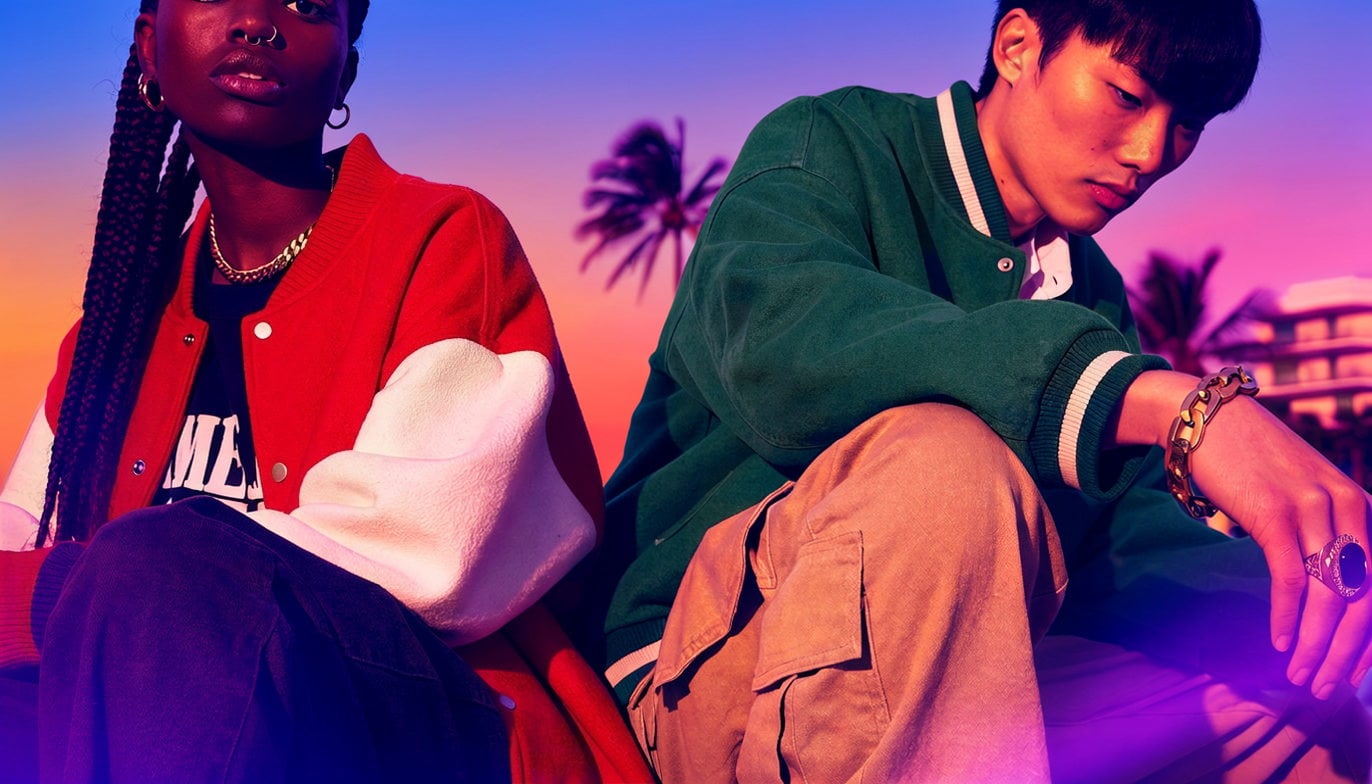
But, on the other side of the coin, the last few days have demonstrated how big of a splash companies who made advance bets can make. We’ve seen an official collaborative GTA6 collection at Selfridges, with price points that span from £2,500 varsity jackets, to £25 caps. Developer Rockstar released its own collector’s box day and date with the game, which contained Oakley Frogskins sunglasses and a New Era 9FORTY cap. Luxury luggage brand Rimowa released a custom PlayStation 5 case, while in the real Miami skate shop Andrew’s official 20-piece capsule includes a leather moto jacket.
And Nike (which, just an hour before going to press announced a new partnership with Formula 1) made a pair of bold up-front bets. On Wednesday, Miami Heat played the Milwaukee Bucks in Vice City kit from Nike and Travis Scott’s Cactus Jack collaborative brand. Fans queued in the rain and bought up the arena’s supply of the jerseys in 90 minutes, and despite being a technically local activation, 30% of orders for the team’s Vice City range came from outside the US.
Nike, Cactus Jack and Rockstar also made a separate collection of Air Force 1s, t-shirts and hoodies, for which the draw opens on Nike’s SNKRS app on 21 November. Anyone who took launch day off can order Scott’s $55 “I Didn’t Work Today” T-shirt, or place an order for a $1,200 Vice City varsity jacket with a promise it’ll ship by next April.
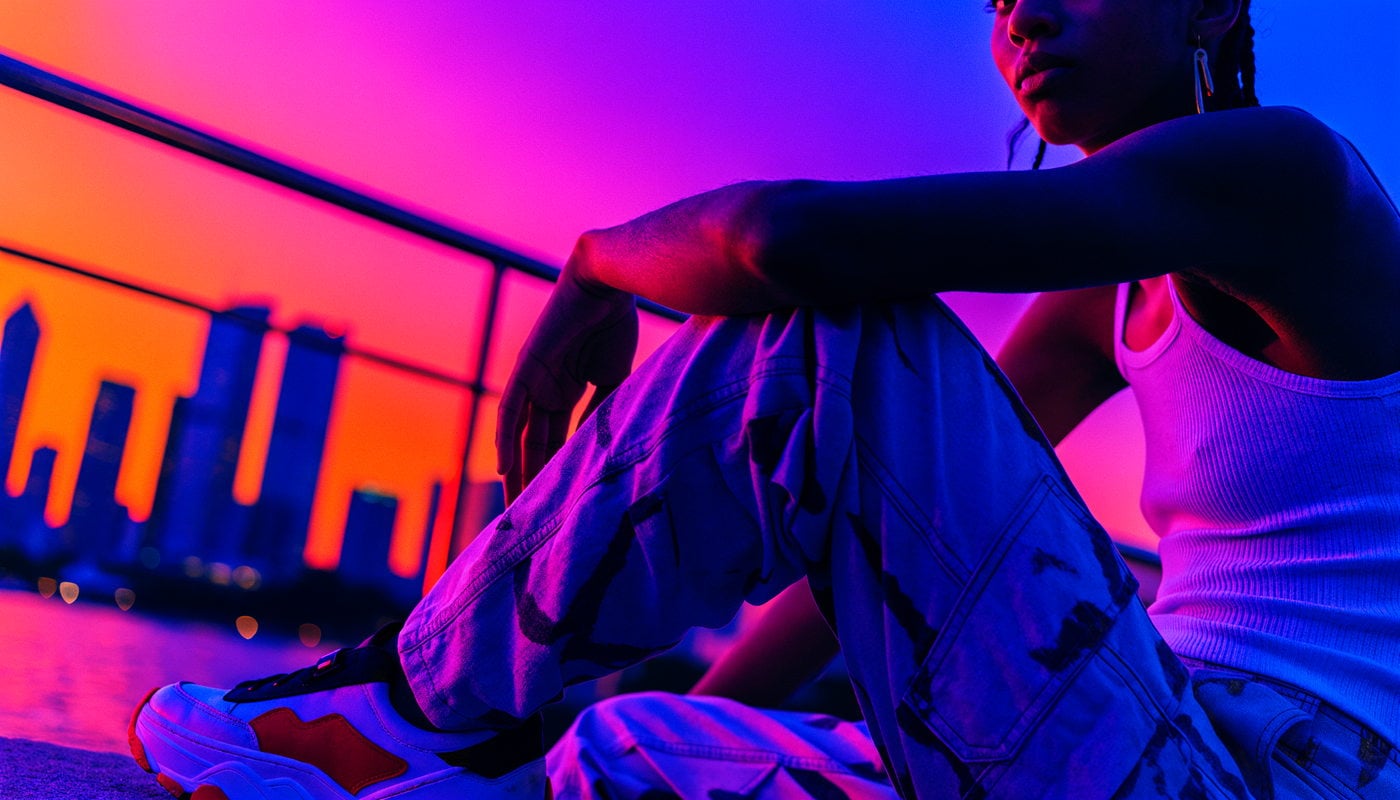
Outside of these, and some unofficial retail strategies for putting “Vice City style” products front and centre, most other retail activations focused on the culture of staying home, snacking, and gaming. A report from Modern Retail demonstrated the ways that food and beverage retailers, and consumer electronics companies, were capitalising on the behavioural moment with situation-appropriate products, if not necessarily branded ones.
Before you read on...
Our weekly news analysis will always be available to read here at The Interline, but you can get it (along with notifications for new podcast episodes, events, and more) in your inbox by signing up to our mailing list.
So why has fashion not made a bigger deal out of what appears to be the largest entertainment launch in history? It seems pretty unambiguous that, for the brands who are comfortable with the association, there was an opportunity here to parlay a cultural moment into some brand cachet and some additional sales.
From The Interline’s vantage point, the biggest challenge remains the same one that limited brands’ and retailers’ ability to respond to the unexpectedly large success of Greta Gerwig’s Barbie film, which opened in July 2023. Back then, it had been unclear whether the film would be a flop, and as a consequence, fashion companies had largely taken a “wait and see” strategy that then backfired when the movie soared.
Later that year, in a retrospective analysis, British retailer John Lewis pulled together some statistics that demonstrated just how much demand that moment created for not just officially-licensed products, but associated ones. Sales of pink handbags rose 70%, and searches for pink Arizona Birkenstocks rose 67%.

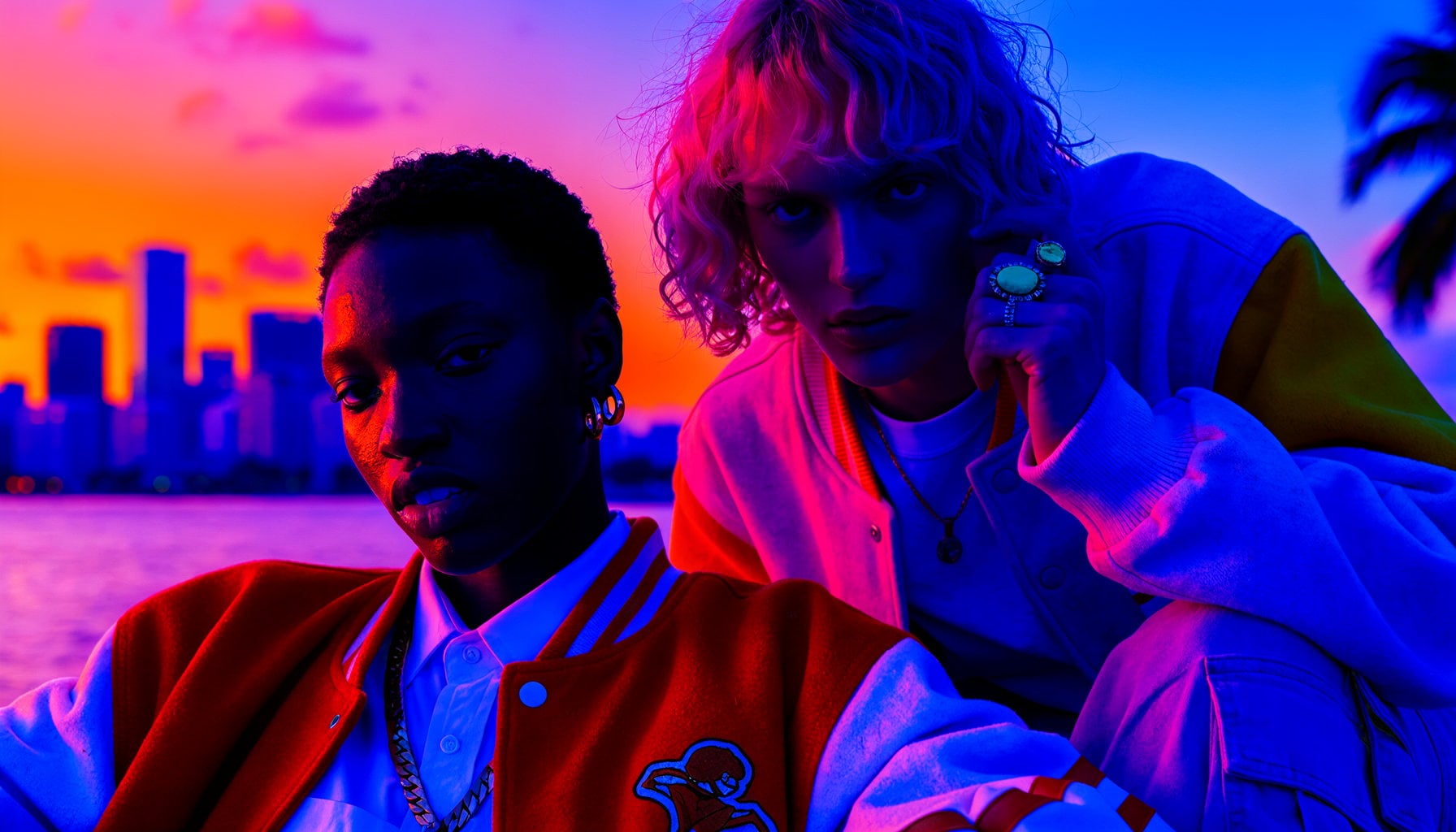
It’s too early to see the same data playing out around GTA6, but given the game’s neon-pastel aesthetic, and its Miami setting, it seems possible that there’s a wider assortment-building, or inventory-reorienting exercise available to brands and retailers who may already have “resort” or “winter sun” collections arriving on the racks.
But these are, as the positioning suggests, just ways to optimise a pre-existing product mix for a changed environment. They are not analogous to the deeper possibilities that brands could have planned for: creating products specifically to evoke the GTA6 vibe, even if they don’t have the clout to forge official partnerships.
And planning would, of course, have been the operative word. With a typical lead time of 6-9 months, a brand wanting to conduct a full cycle of new product development and production, and to then release the results into stores in the run-up to this moment, would have needed to secure material and manufacturing capacity, and get designers’ moodboards underway, back in May.
There is, to put it another way, no reactive brand strategy for opportunities like these – except the one that can be executed in individual stores, and on eCommerce storefronts, where existing products that merit some association with the new trend, get pushed to the fore.
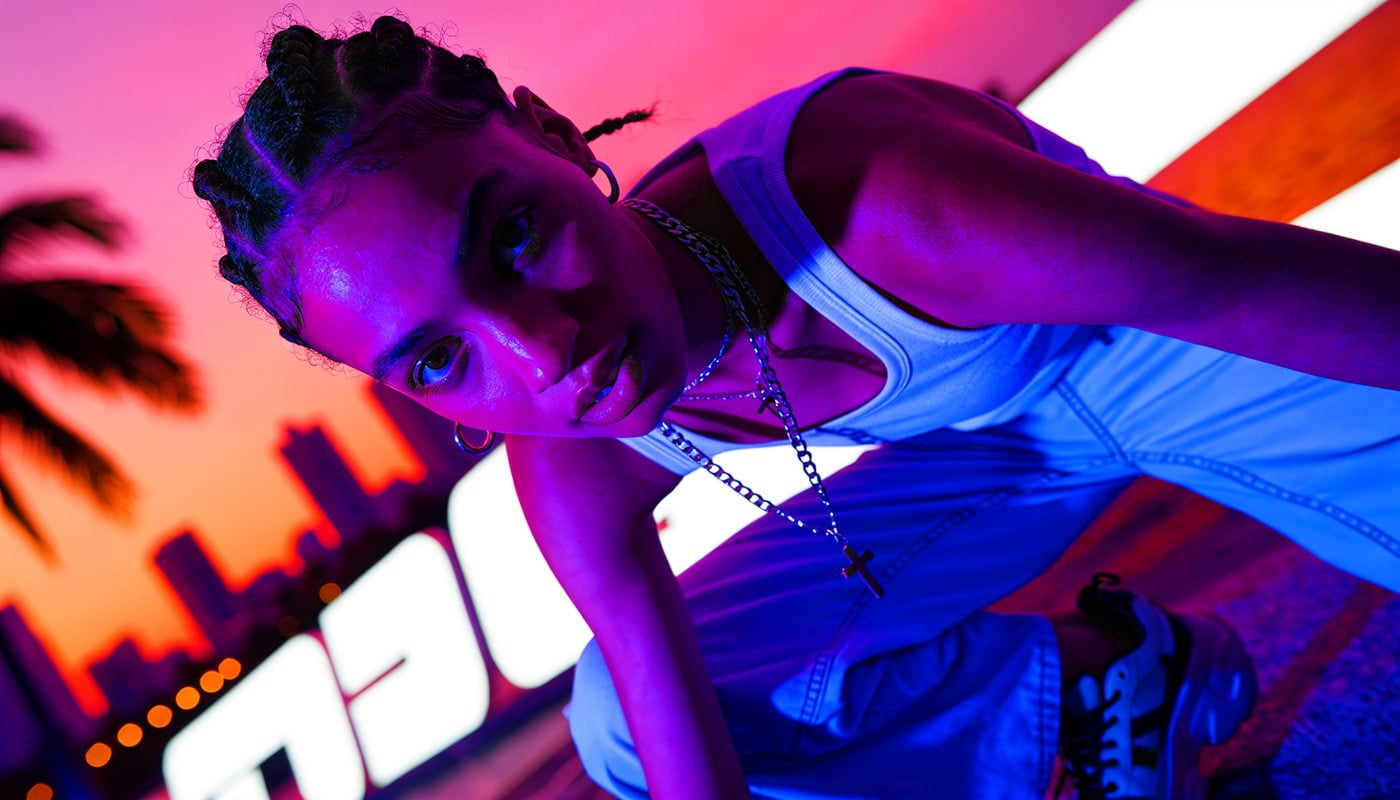
What there is, though, is an opportunity for different business models (especially ones enabled by technology) to bring something new to market in record time. Micro-brands, or even SMEs who have recognised the benefits of quick-turnaround, low-MOQ digital direct-to-garment printing, can lean on full-service partners to print onto good-quality blanks, and to get ostensibly “new” product to consumers in a matter of days.
This kind of agility is, ironically, already on display in sports partnerships. Fanatics has negotiated the right to make merchandise commemorating NHL events, and the company says that it placed designers on-call, paired them with the ability to print, sell, and drop-ship a shirt, and can ship a single commemorative shirt in just one day.
This discrepancy between traditional product design, development, and production, and the much more agile digital printing workflows has always existed, of course. But this week is, to quote our own 2023 Barbie-era analysis, a “teachable moment” for a fashion industry that really could have seen this coming and made some bigger bets earlier, rather than trusting technology to pick up some of the slack.
PlayStation platform holder Sony revealed that GTA V, even twelve years after launch, was Europe’s second-most-downloaded PS5 game of 2025. Looking at that statistic, and even taking account of the notoriously unpredictable Rockstar release cycle, brands like Nike had all the information they needed to make an early, and fairly secure, bet.
Now, nobody expects another phenomenon of GTA6’s scale to come around in videogaming any time soon. That window is closing. But through intelligent trend forecasting, and a keener awareness of how other media will impact the consumer environment, fashion should be able to catch the next wave, even if it won’t be off the coast of Vice City.