As fashion continues to design and communicate products in digital form, attention is turning to the materials that make those experiences possible. Digital fabrics, the textures and surfaces that show how a garment looks, fits and moves, are an increasingly important part of how the industry visualises and develops its collections. But with more demand for these assets than ever, can the supply of digital materials keep pace? And do the incentives align for the people tasked with creating them?
On October 23rd, The Interline, in collaboration with Cotton Incorporated, will host a live discussion with New Focus Textiles and BAKERMAT, moderated by The Interline’s own Editor-in-chief Ben Hanson. Together, the speakers will look at what scaling the digital material ecosystem really involves, from the incentives and business structures that support it, to the tools, standards, and technologies that will influence its future use.
They’ll discuss how digital materials are created and shared today, who drives and benefits from that work, what motivates suppliers to participate, and how collaborations across sourcing networks can make virtualisation a practical tool for stability and innovation.

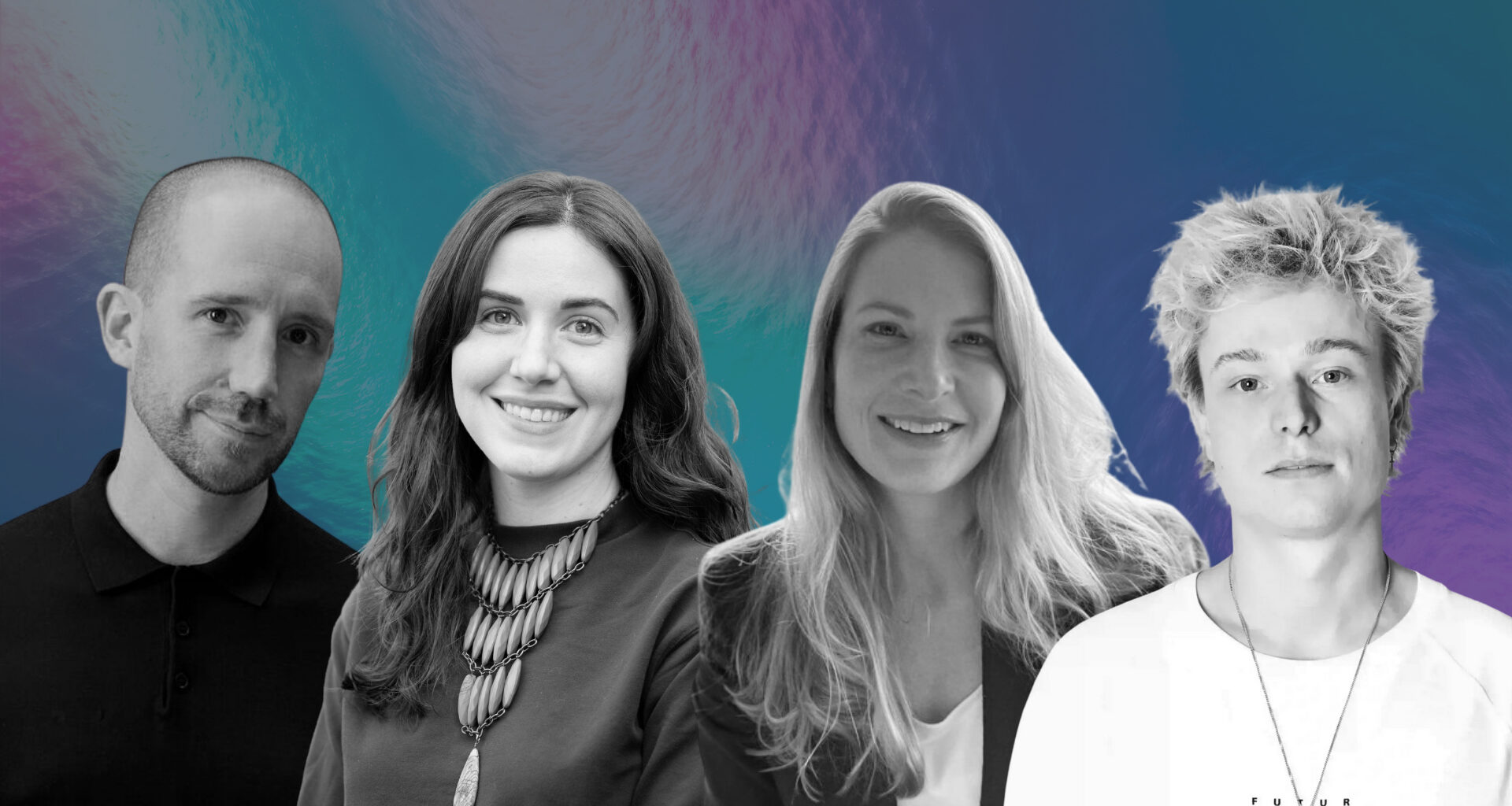
Join us to hear from:
- Katherine Absher – Manager, Fashion & Digital Design Marketing at Cotton Incorporated
- Jennie Peterson – Partner at New Focus Textiles
- Quinten Schaap – Founding Director and Head of Digitization at BAKERMAT
- Ben Hanson Editor-In-Chief of The Interline (moderator)
Register now to attend live and explore the future of digital materials in 3D and beyond.