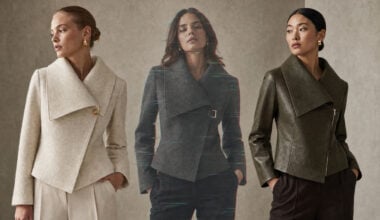
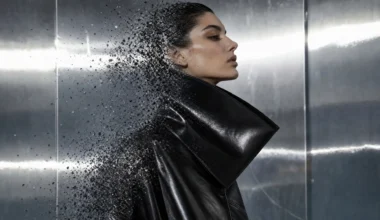
In a June 2026 survey of 2,273 US adults who had shopped online in the previous three months, Baymard Institute found 60% reporting that knowing a product image was AI-generated would lower their confidence in buying a given product. That percentage includes 17% who told the Institute that the lack of confidence would be sufficient to put them off purchasing entirely, while 16% said their answer depended on the product.
This is not the first fashion-related UX research Baymard has conducted, and an earlier set of apparel usability tests revealed that shoppers struggled to assess fit and scale from cut-out or lay-flat images.
Practically speaking, this creates a mandate for more on-model photography, which is precisely the kind of content that fashion brands and retailers have found it difficult to create at the necessary speed and scale, and which is also the value proposition of a lot of generative tools and workspaces.
This survey data, if it can be extrapolated to other markets or a wider-scale dataset, may give some brands pause, because what seems logical to the seller (creating more content, thanks to generative tools and models, without additional overheads) could conceivably end up working against the higher conversion rates that have become an important ROI metric for AI imaging initiatives.
As The Interline, and podcast guests including Matt Rouif of Photoroom and Eran Dagan of Botika, have argued, the true test of synthetic fashion photography is whether it represents the product, and the brand, honestly and authentically. Baymard interprets the survey responses as a sign that shoppers use product images to verify what they’re buying.