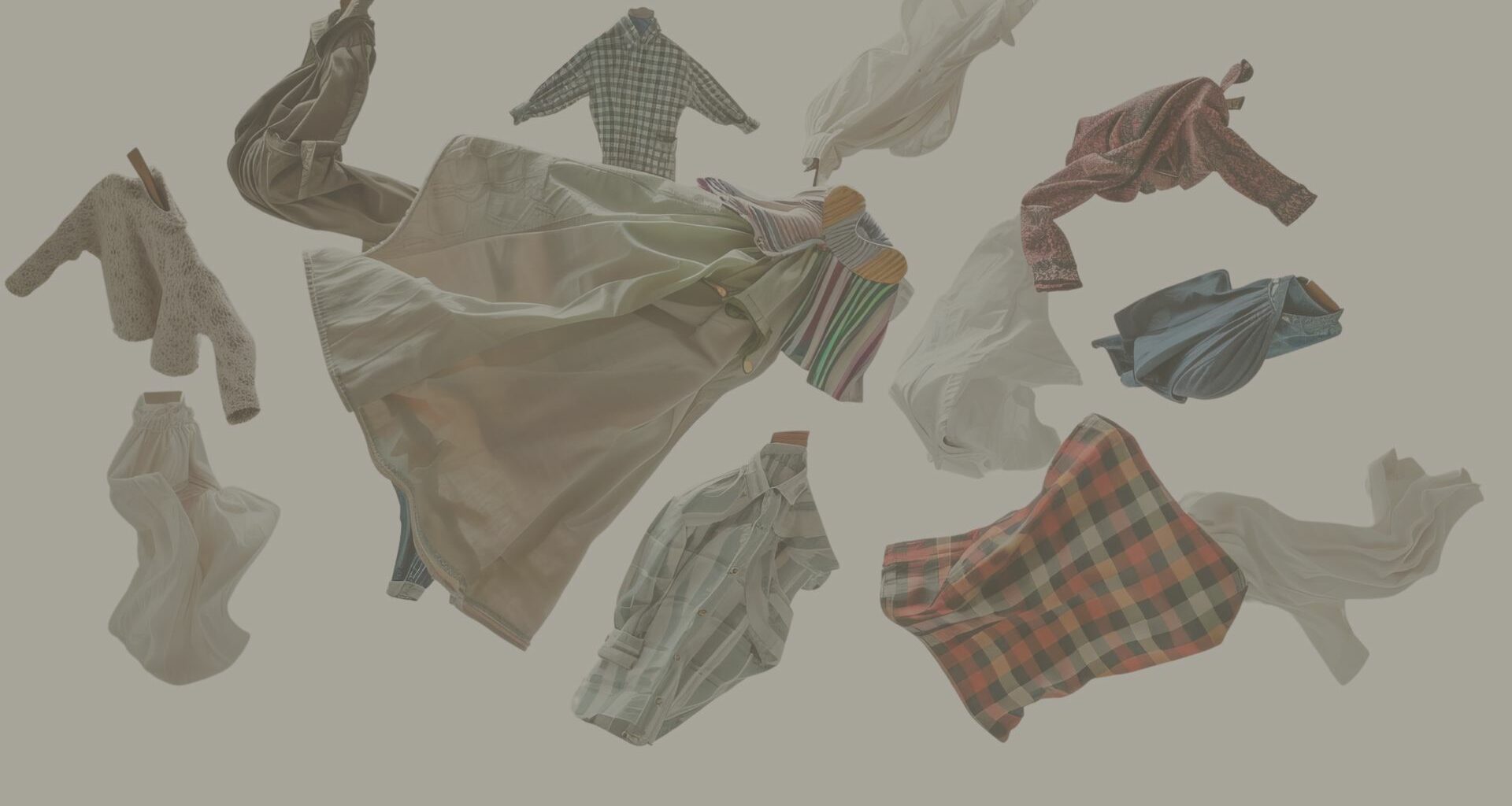
TikTok has been the source of many of the world’s most frenzied trends in recent years, and as a result, it’s started to influence and shape our lifestyle habits too. One example of this is ‘underconsumption core’—the premise is a shift in mindset to adopt a ‘less is more’ approach to spending. For years, fashion has been under scrutiny for its environmental impact, questionable labour practices and overproduction rates—could this trend be the start of a shift in the opposite direction?
What is ‘underconsumption core’?
Underconsumption is a trend that favours modest wardrobes, practical clothing and secondhand items over buying new and keeping up with the latest trends. It pushes the idea that we should make do with what we have and scale back our buying habits, repurposing items or fixing them, rather than instantly throwing products out in search of the next new thing.
As one luxury accessories brand suggests, “for many of us, it is a pleasure to go shopping and buy new trendy pieces for our wardrobe, but have you thought about giving a second life to your old clothing? Making used clothes trendy is ecological as well as creative. All of us have something that we don’t use anymore but has the potential to be reused”.

This rebellion has a cause: mass consumerism has led to countless major environmental challenges, particularly through the creation of enormous amounts of waste. In the Atacama Desert in Chile, between 11,000 and 59,000 tonnes of discarded clothing are accumulating in landfills, exemplifying the harmful effects of overconsumption on the environment. For those following the underconsumption trend, the focus is on a minimalist approach to purchases and being more mindful of what you bring into your life in a bid to avoid contributing to landfills and polluting waste streams.
A report from ThredUp, an online vintage resale platform, revealed that 65 percent of Gen Z respondents expressed a desire to shop more sustainably. However, one-third admitted to feeling “addicted to fast fashion,” and 72 percent reported purchasing fast fashion in 2022. Despite these statistics, many consumers are focused on sustainability and are seeking more responsible ways to shop.
As younger consumers become increasingly aware of the environmental consequences of their buying habits, they’re showing a growing interest in sustainable fashion content on social media.
The very platforms that made overconsumption fashionable could well be the tools to help prevent it in the future. Currently, there’s a grassroots phenomenon happening on social media where content creators are actively discouraging their followers from making unnecessary purchases, often by critiquing popular products or exposing manipulative marketing tactics. Deinfluencing creators share tips on how to make the most of existing possessions, promote minimalism, and encourage thoughtful consumption.

This movement poses a significant challenge to traditional influencer marketing, which often relies on creating artificial needs and promoting impulse buys. As de-influencing gains momentum, it’s forcing brands to reconsider their marketing strategies and placing greater emphasis on product quality and genuine utility over hype and trend-chasing.
Machine learning-powered sustainability
Artificial intelligence and Machine Learning could be helping address the challenge of overproduction and overconsumption, promoting a shift towards sustainable practices. AI-powered tools have the potential to optimise manufacturing processes to reduce waste, predict demand more accurately, and streamline supply chains to prevent excess inventory.
For example, using this technology to analyse purchasing patterns and consumer preferences enables brands to produce only what is needed, and minimises the risk of surplus stock that often ends up in landfills. AI could also be used to develop more efficient recycling processes, turning discarded garments into new materials, fostering a circular fashion economy.
Personalised consumption
Technology plays a crucial role in helping consumers make more informed and sustainable fashion choices. From a consumer perspective, platforms like Cladwell and Stylebook track users’ fashion consumption patterns and can suggest ways to reduce unnecessary purchases and extend the life of existing clothing. For businesses, tools like Renoon empower brands to quantify their environmental efforts with Lifecycle Assessments, providing data for up to 16 KPI categories and identifying opportunities to reduce the impact of the item.

Additionally, apps can provide eco-friendly alternatives to fast fashion, directing consumers to brands that prioritise sustainability, ethical labour practices, and environmentally friendly materials. These technologies empower individuals to become more conscious consumers, reducing their environmental footprint through mindful shopping. One example is Good on You, an app that provides ethical ratings for more than 3,000 brands and the ways in which they impact people, animals and the planet as a whole. The goal of the app is to educate customers so they can make more informed choices. Another example is
Gamification and behavioural economics
Gamification techniques and principles of behavioural economics can encourage consumers to adopt sustainable practices in their fashion consumption. Apps like Kiri create reward systems where users earn points or incentives for actions like recycling old clothing, buying secondhand, or opting for sustainable brands. Users earn KiriCoin for their sustainable actions which can then be used to purchase items from green merchants on the marketplace. These interactive tools motivate sustainable behaviour, making conscious consumption an enjoyable and rewarding experience
The merging of technological advancements and changing consumer values is reshaping the landscape of consumption. Predictive analytics and AI, once tools primarily used to drive sales, could soon be leveraged to promote more thoughtful purchasing decisions. Likewise, social media platforms, traditionally bastions of consumerism, are giving rise to movements like de-influencing that challenge the very foundations of consumer culture.

While the journey towards a truly sustainable consumer culture is ongoing, the trends and technologies discussed here suggest that we could indeed be witnessing the beginning of the end for impulse buying and entering an era of tech-enabled, conscious consumption.