We talk to Nate Fleming, CMO of Bamboo Rose, about how market trends and the maturation of technology roadmaps has driven the creation of multi-enterprise PLM.
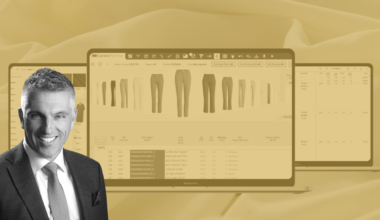
We talk to Fabrice Canonge, COO of Centric Software, about how global disruption is underlining PLM's status as a must-have technology, and how it enables digital product creation and Metaverse-oriented workflows.
We talk to Jeff Fedor, CEO of Backbone PLM, about the evolution of traditional PLM systems into the modern, transformational solutions that we see today.
PTC will leverage its sponsorship of the Texprocess event to showcase live demonstrations of FlexPLM V12, as well as digital product creation, supply chain, and sustainability-focused solutions.
The Interline's Editor will present a keynote at Première Vision Paris this July, documenting fashion at a tipping point in its decades-long digital transformation journey.
We talk to Bill Brewster, SVP & GM, Retail Business Unit for PTC, about how the disruption of the last two years has raised the bar for what brand and retail organisations expect from technology, and how PLM can support retail’s recovery and ongoing digital transformation.
Celebrating PLM's place at the heart of the fashion technology ecosystem, we talk to Richard Willis, VP of Solution Consulting for Aptos, about core capabilities, virtual prototyping, planning connectivity, sustainability and more.
FastReactPlan was chosen to realise a seamless exchange of information between a number of systems; significantly increase efficiencies; reduce overtime and optimise OTDP to enable Top Textiles to respond effectively to rapidly changing consumer demands.
For brands looking to make a statement about their sustainability credentials, independent accreditations and scorecards have seemed like an adequate replacement for first-party data. A new setback could challenge that idea.
By continuing to browse The Interline, you agree to our Cookies & Privacy policy.