The meaning of sustainability is well-defined. The best way to respond to it is less clear. But evaluating the bigger picture is essential for ongoing action.
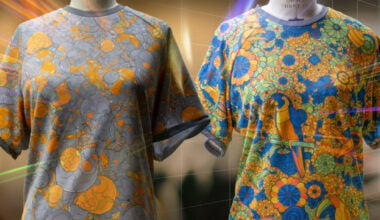
Digital materials are essential to digital product creation, which means it's vital they're built with creative designers in mind. But what does that actually mean?
As the popularity of digital materials explodes, competing commercial interests could get in the way of realising their true benefits. This article considers a different, more democratic approach to digitisation.
Building a digital product creation workflow relies on digital materials that behave identically to their physical counterparts. The technologies are in place to make this happen, but as an industry we still need to slot the pieces together.
As the material most synonymous with fashion's history, cotton's future could herald a fundamental shift in the industry’s approach to digital materials.
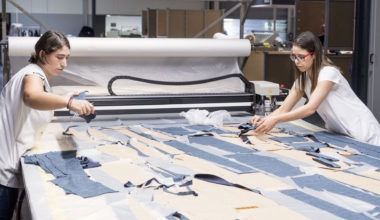
In light of constant supply chain scandals and the need to control cost, quality, and speed in an uncertain world, the factory of the future isn’t just a possibility for tomorrow – it’s a necessity today.
There is a stronger need than ever for brands and retailers to align their production with demand. Doing so requires visibility and transparency - two things that shop-floor control technology could provide.
As the world weighs up a move from high-volume, low-quality production to a new model, the need for accurate Bill of Labour data is greater than ever. And the tools we use to collect it must change.
As retail channels reopen, the pressure is on brands to control the speed, delivery, and quality of their next collections. But traditional supply chain tools are not up to the task. Data integration and Applied AI offer a solution.
Fashion faces fresh and pre-existing challenges that require a new approach to production. How? The answer is already being put into practice. And the value is clear.
By continuing to browse The Interline, you agree to our Cookies & Privacy policy.