Sponsored by SOURCING at MAGIC:

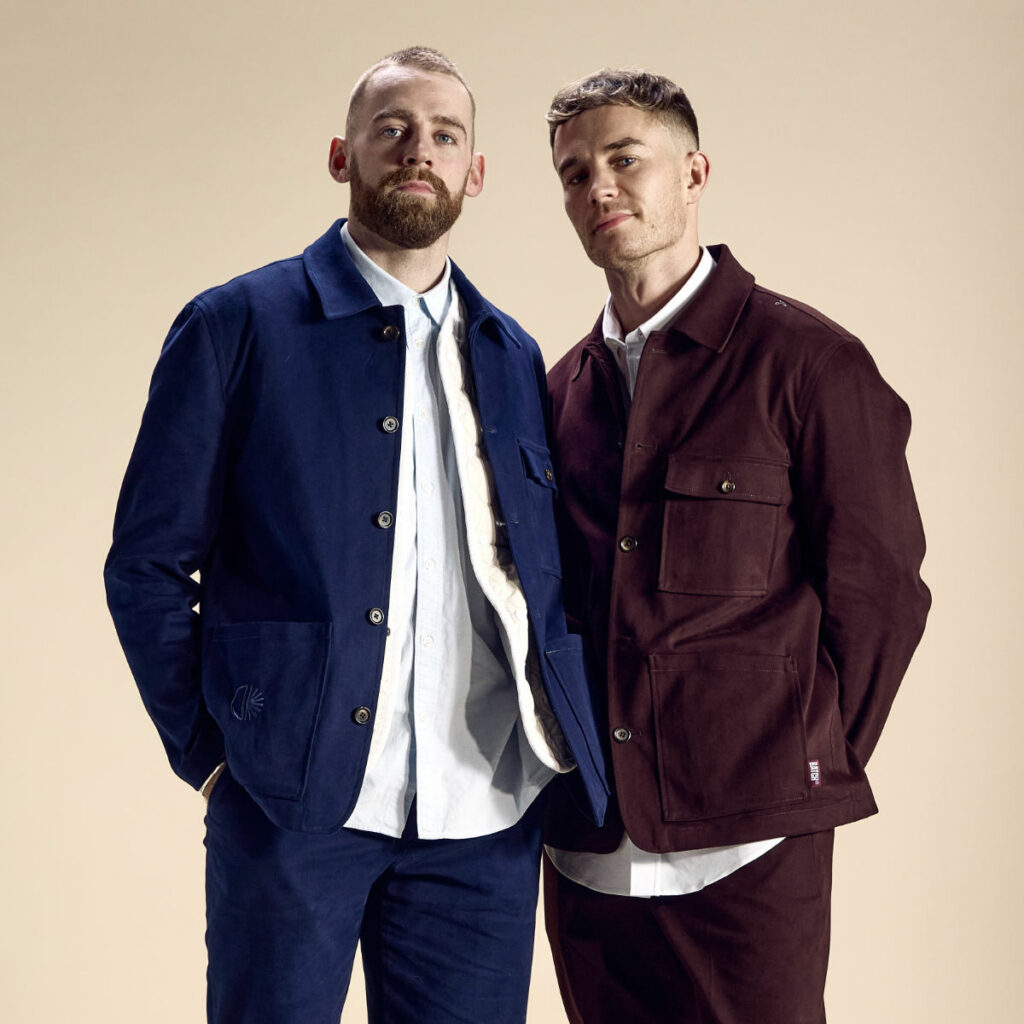
For her first episode as the new host of The Interline Podcast, Emma talks to Julian Osborne, Co-Founder of Batch LDN about redefining suits with their “Batch Model,” the foundations of slow fashion, and how they are working to change consumers’ attitudes towards the consumption of fashion.
Listen to the full 35-minute show below (or by following The Interline Podcast through your podcast / audio app of choice) or read on for some additional details.
For Emma, it was important to kick off the revitalised podcast with a conversation that captured a particular part of the broader topic of sustainability, as that should be at the top of the priority list for every fashion company.
While some progress is being made in the wider fashion industry to tackle issues like overproduction and carbon emissions, the current statistics remain discouraging. It is imperative that all of us who have a platform use our voices – and the dialogues we host – to continually advocate for building a more sustainable, ethical, and mindful fashion industry.
This episode is sponsored by SOURCING at MAGIC, whose events in Las Vegas and New York connect businesses, brands, and sourcing professionals while facilitating collaboration with an established community of international and domestic manufacturers, suppliers, and service providers.
Across its fast-growing sustainability verification programme and education sessions, SOURCING at MAGIC is actively driving fashion forward, and with its growing fashion technology community, the event is empowering entrepreneurs, brands, suppliers, and manufacturers to take collective environmental and ethical action as well as targeting new efficiencies and possibilities through innovation.
Key talking points:
- What it means to work around consumers priorities when shopping – namely fit, style, speed of delivery, and price – and finding success.
- The case for the fashion industry to move more towards domestic production, as well the major challenges in doing so.
- The benefit of including customers in the product journey – for businesses and customers.
- Some exciting new technologies that Batch LDN will soon be using as part of its operations.
- The importance of the shift towards a more circular fashion economy.
- The brand’s commitment to inclusivity and their reason for making it a priority from the start.
- Batch LDN’s long term vision for themselves as a company, as well as the slow fashion industry in general.
Catch up and follow the show:
Use the embedded player to listen to the latest episode of The Interline Podcast on Apple Podcasts, to catch up on episodes from our past, or to follow the show so you’re notified when future episodes release. You can also find all current and past episodes on Spotify.
The Interline Podcast is available on most other podcast platforms – simply search for us in your listening app of choice. And look for our next episode very soon.