
There’s a side of the fashion tech story that rarely gets told. Not the polished dashboards of billion-dollar brands or the blockchain-enabled transparency platforms. But the daily reality of small, ethical factories trying to do things differently and hitting walls – not because they lack vision, but because the technology industry simply doesn’t have companies like ours in their market scope.
So this is a story about us. About what it means to build a manufacturing business rooted in values, community, and care, while navigating a digital landscape designed for scale and growth, rather than more focused meaning.
I’m not intending this piece as a complaint, but as a way of advocating for transformation tools that fit the needs of the kind of smaller businesses that could represent critical pieces of the future supply chain, as well as making an impact on the ground.
What would it take, I want to ask, to design technology for us, not just for the giants? What kind of future could we build if tech didn’t just optimise profit for companies that operate at hyper scale, but strengthened the ability of smaller players to work with purpose?
We Built A Factory on Belief
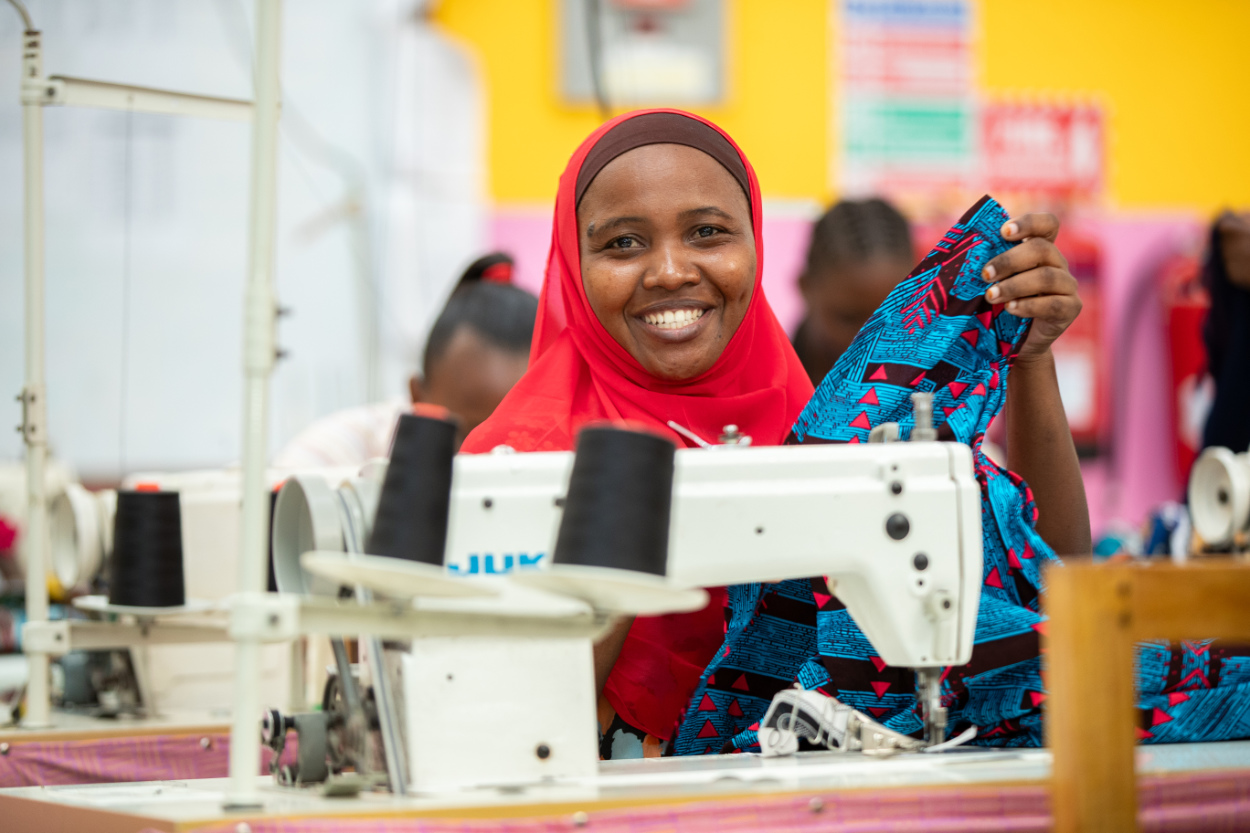
SOKO Kenya didn’t start with investor backing or a suite of cloud-based tools. It started with a belief – namely that it was possible to create a factory that paid living wages, offered safe, dignified employment, and delivered excellent product to brands around the world.
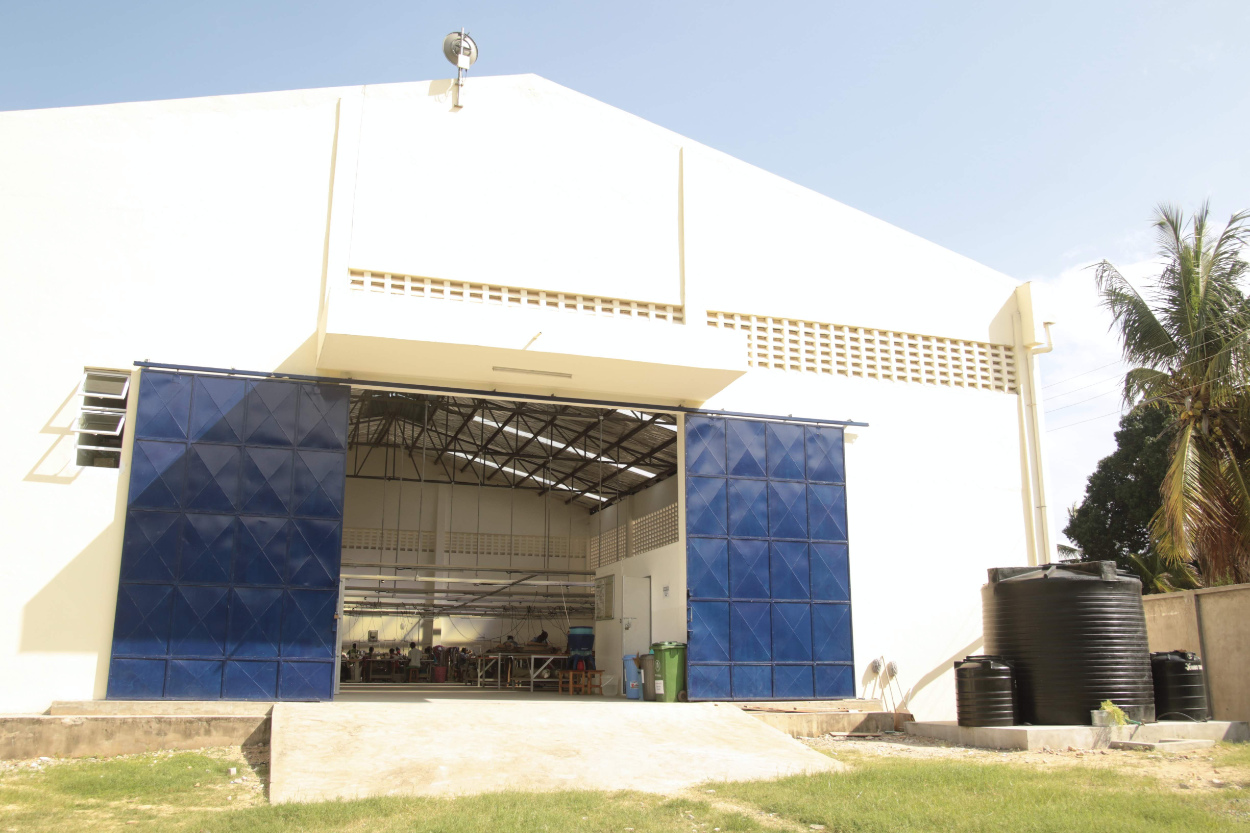
We’ve grown slowly and intentionally. Today we employ over 150 people, run a solar-powered factory, partner with brands in the UK, US, Europe, and regionally. We are a CMT facility, but we are also a learning ground, a testing space, a training academy, and a social impact engine.
And yet, the systems we rely on to operate are still basic. Spreadsheets. WhatsApp. Manually updated trackers. Separate tools for finance, sampling, storekeeping, production planning, and reporting. Nothing speaks to each other. Nothing gives us a full picture.
It all works, just. But I won’t pretend that it doesn’t hold us back. And I know that with better systems we’d be able to have an even more pronounced impact.
The primary issue is that most ERP systems are expensive, inflexible, and built for large, vertically integrated factories. The affordable ones often don’t have cloud access. One we trialled was hacked within weeks. We were told the only solution was a local server and a hard drive in our office that had to be regularly backed up. That’s not a solution for a lean, mobile-driven, solar-run African factory. That’s a system stuck in another time.
Just because we operate on a different scale, with different priorities, doesn’t mean that we exist out of lockstep with the drive for digital transformation. What we need are tools designed for how we work, not just how the industry traditionally thinks work happens: flexibility rather than fixed processes. We need systems that reflect agility, decentralised communication, and human-led processes. We need solutions that start from the factory floor, not the boardroom.
Brands are coming to us because they want something different. They’re diversifying away from China. They want ethical, flexible partners. But they still expect speed, clarity, integration because those are considered baselines. They want costing in days. Samples in weeks. Transparency without friction.
We want that too. But without the right tech, we can’t deliver it, so the areas of our business that differentiate us from the competition can’t make it into consideration.
3D sampling, for instance, would save weeks of back and forth. Integrated costing tools would reduce delays. Real-time production updates would make us a more trusted partner. These tools exist. But they’re priced and designed for factories ten times our size.
Innovation Can’t Just Be For the Top
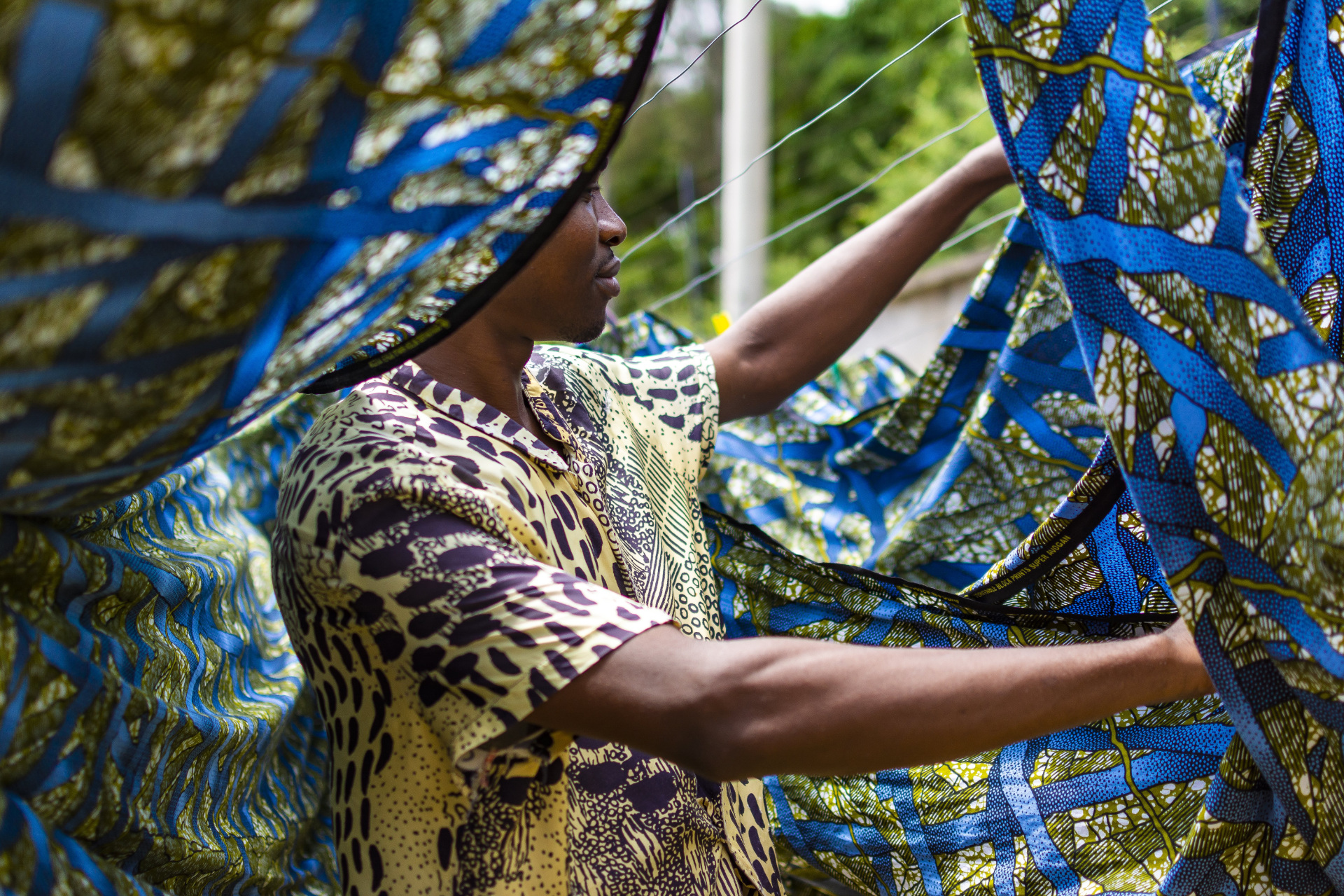
Tech is supposed to be the great equaliser. But in fashion, it often reinforces power imbalances. Big brands adopt tools early. Large manufacturers follow. Small players are left adapting systems that weren’t made for them, or building homegrown workarounds.
We don’t need stripped-down versions of existing platforms, or templated “small business” solutions. We need tech that’s designed ground-up for values-led, low-MOQ, high-care production. Tech that respects the rhythm of small factories. That centres people, not just product.
Africa is full of factories like ours. Lean, agile, purposeful. And yet we’re often framed as behind, when in fact, we’re ready to leap ahead — if the right systems existed.
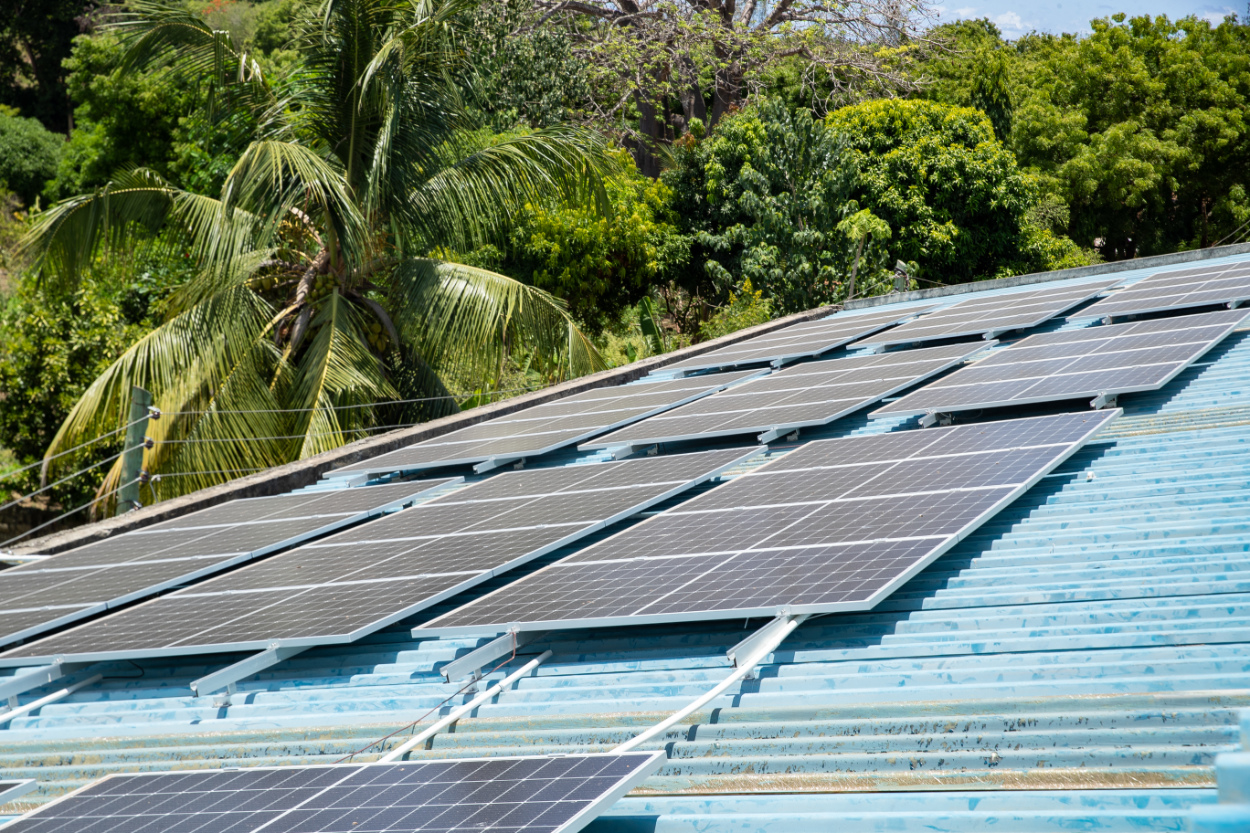
Broadly speaking, Africa doesn’t need to copy the West’s industrial model. We can build our own. Clean. Lean. Powered by solar. Rooted in community. Designed with the planet and people in mind. Why replicate a legacy system when we can build a better one?
We have mobile-first communities. We have deep operational knowledge, even without formal training. We have a young, digitally curious workforce. The ingredients for innovation are here. What’s missing is tech that fits the context.
People Are the Missing Data Point
Everyone talks about environmental transparency. Digital passports. Fibre traceability. That matters. But what about the five million garment workers globally?
Where is the data on them? Their wages. Their skills. Their stories.
We don’t want to be part of a system that treats people as a risk to be managed. We want to be part of one that sees people as the heart of the value chain. Tech can help make workers visible, valued, and part of the brand story — if we design it that way.
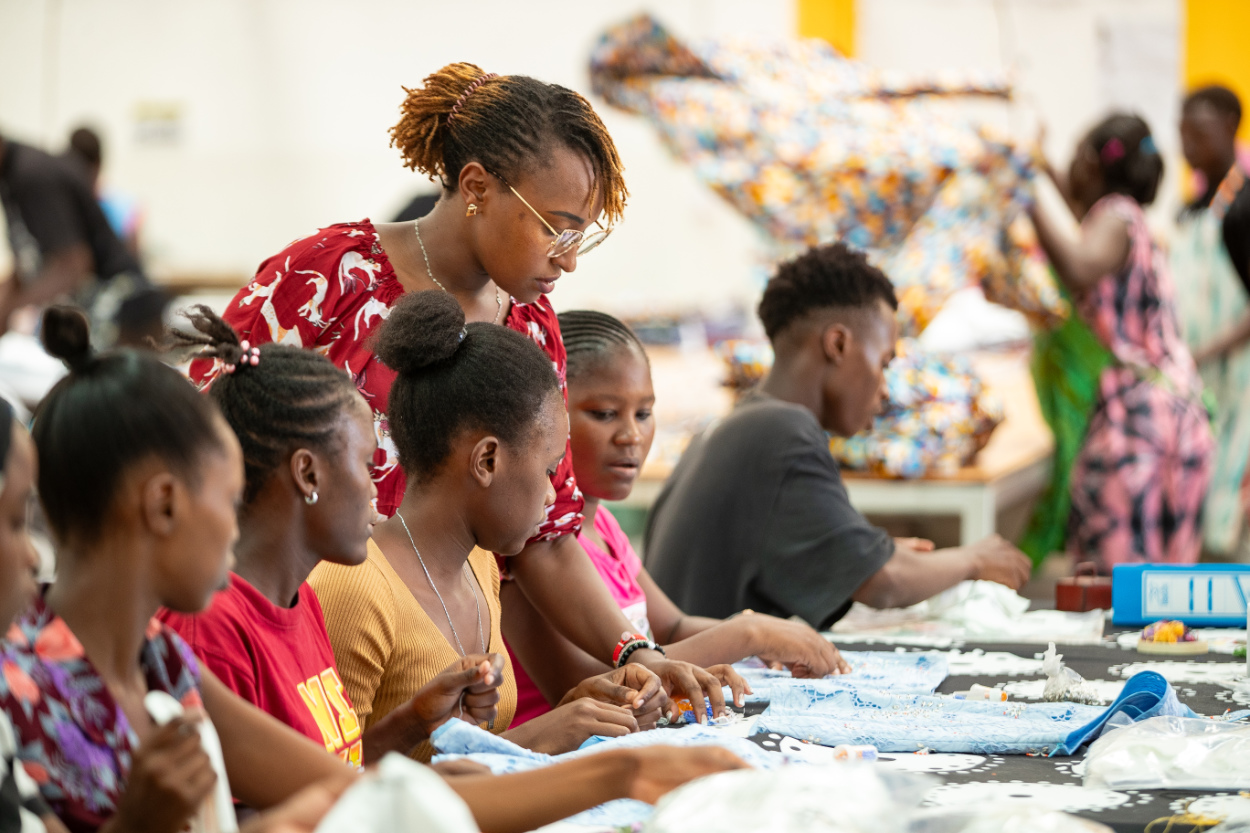
The whole premise of SOKO Kenya was to prove that you could build an ethical factory from scratch – not as an add-on to a bigger business.
We think tech could follow the same path. What if small manufacturers were the proving grounds for new tools? What if agile factories were the first users, not the last? What if innovation didn’t trickle down, but started here, got refined in the most agile and innovative places, and then scaled to enterprise once it was ready?
We are ready to test. Ready to feed back. Ready to shape. We are the right size for innovation.
We’re Not Just Trying to Keep Up
This isn’t about catching up to someone else’s definition of success. It’s about redefining what success could look like.
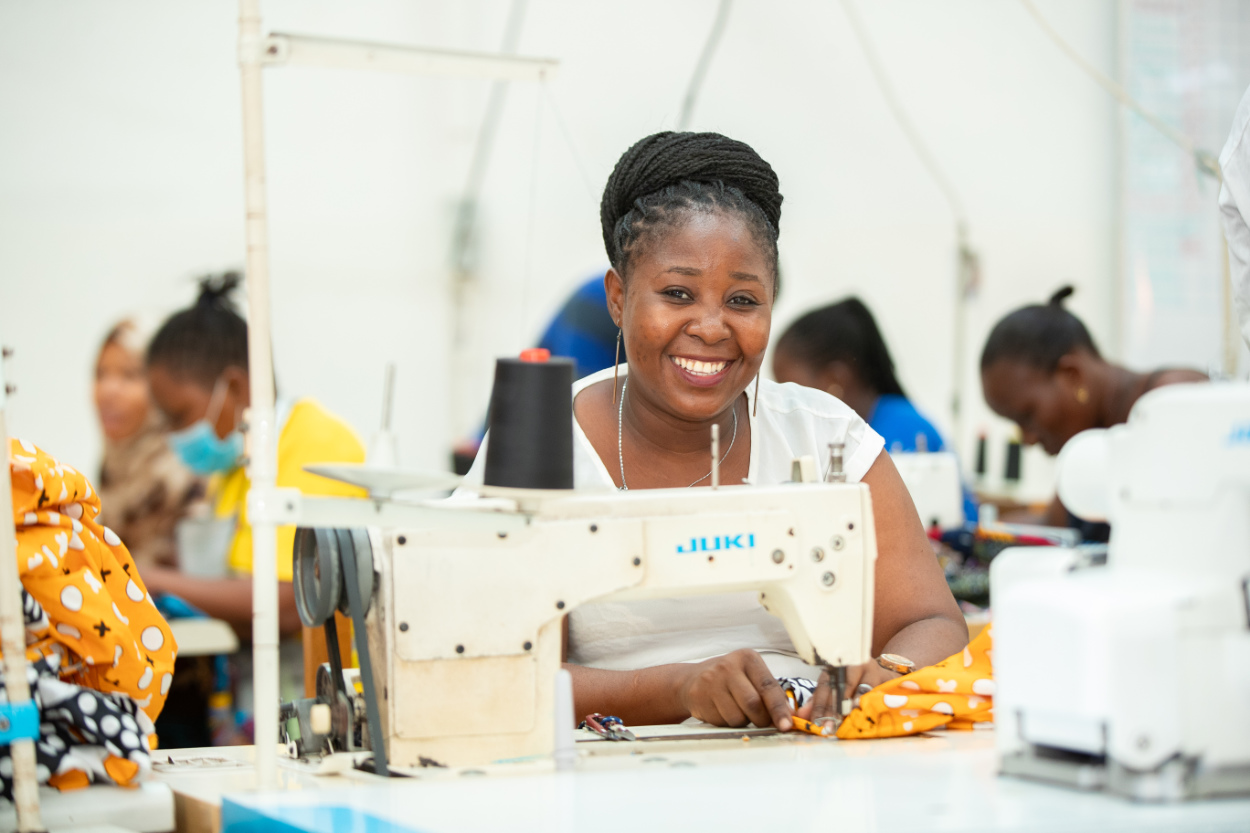
We don’t want to be the next China. We want to be the best version of ourselves. Transparent. Ethical. Community-led. Nimble. Open.
If fashion tech wants to be part of the future, it needs to design for that kind of business. Not just for mass production, but for meaningful production. Not just for profit, but for purpose.
