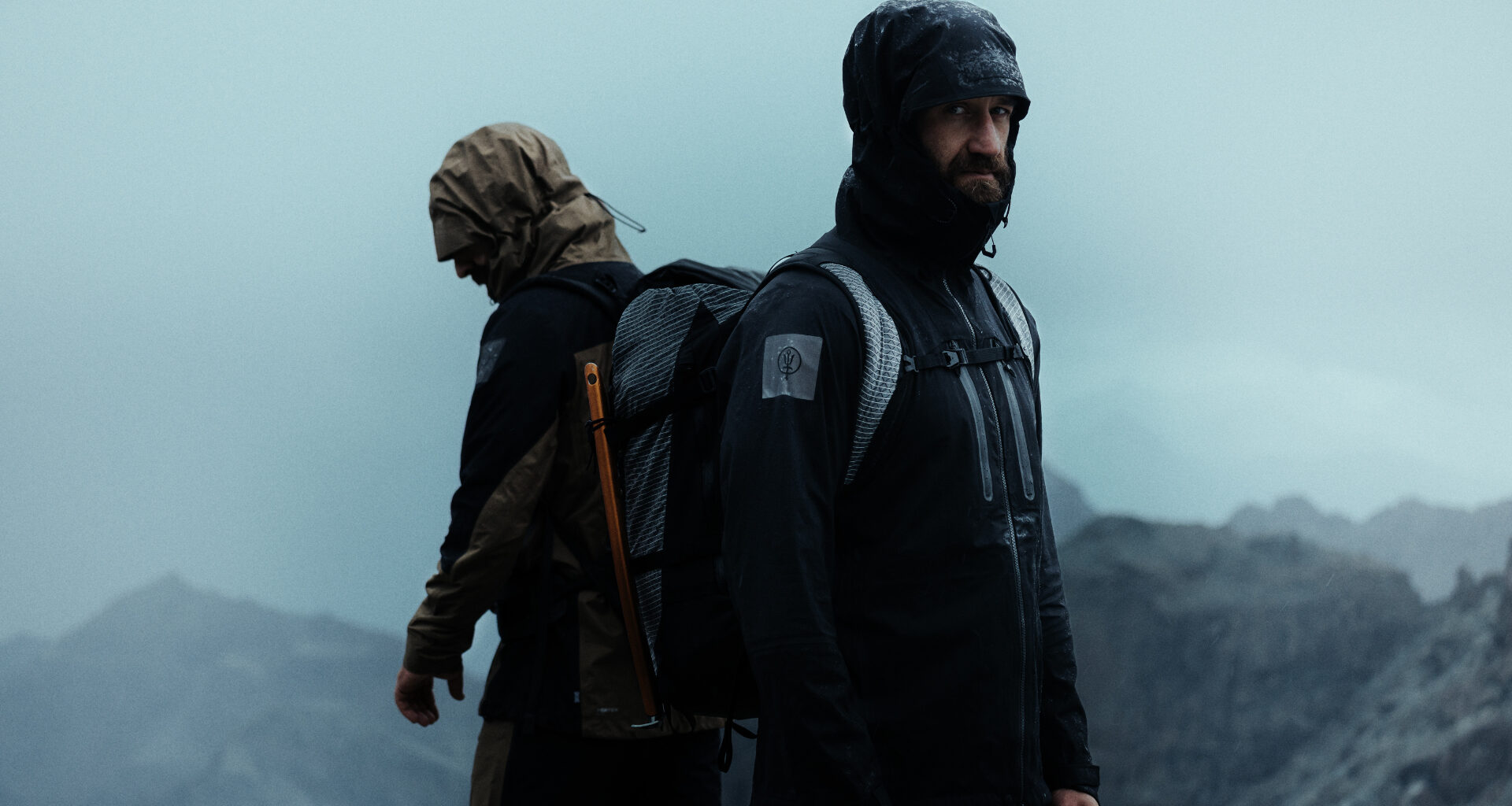
As a technical outdoor wear and performance-wear brand with uncompromising standards born out of its founders’ military history, British company ThruDark is a different proposition to a lot of 3D case studies.
For most brands, a key indicator for the success of DPC strategies is a reduction in time to market, with the rationale being that shrinking the commercialisation calendar better aligns supply with demand. But ThruDark are bucking the trend of “time saved” and instead see an opportunity to reinvest time in architecting innovation into products, and putting those products through the most rigorous testing regimes in the world, from Mount Everest to the Arctic Circle.
This doesn’t mean that ThruDark shuns other opportunities, like using 3D for content creation and experiential marketing, or even finding logical areas to integrate AI into their workflows. But it does make the brand a fascinating example of how 3D can help meet an incredibly high bar for product quality and performance, at the same time as potentially delivering a bottom-line saving.
To get a feel for how the journey from “kicking doors” to pursuing technology innovation developed, The Interline spoke to Co-Founder Louis Tinsley (a former member of the Special Forces), Ben Hewitt, ThruDark’s Product Director, and Kyra Gibson, 3D Digital Developer, who – along with Penelope Norman, Programme leader for the school of Arts Media and Creative Industries Management at Arts University Bournemouth – has assisted ThruDark, through a knowledge transfer partnership, in its ongoing journey to build a digital product creation strategy from first principles.
Walk us through the history of ThruDark, because it’s a unique brand that some of our readers won’t be familiar with.
Louis Tinsley: Anthony “Staz” Stazicker and I met in the Marines in 2006 and immediately bonded over one thing: we were always modifying our kit. Even tiny details — threading copper wire into jacket hoods so they’d hold a peak in the rain, reinforcing our trousers, sewing bits of cold-weather socks onto jackets. We were constantly trying to make our gear more functional.
We ended up in the same Special Forces squadron during what I’d call the “rockstar years” — constant deployments in every environment imaginable. And despite having the best military equipment you can get, failures still happened.
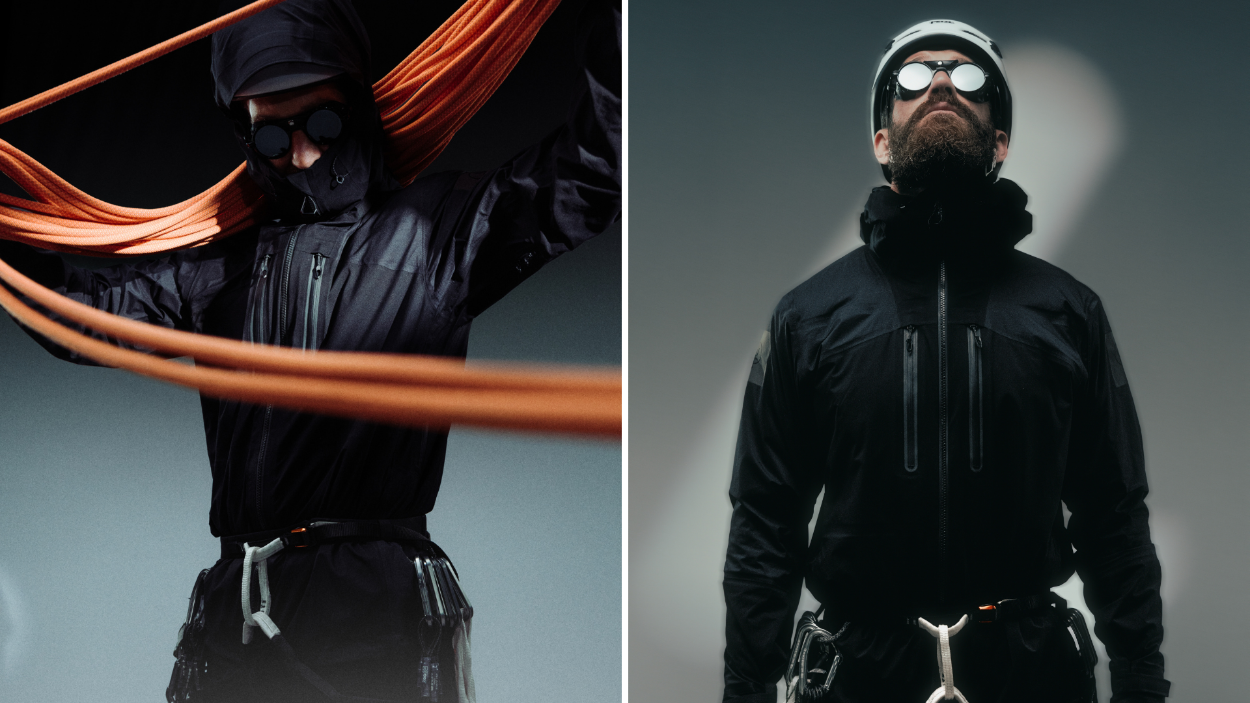
Staz had a parachute malfunction on a night jump in the US. Total darkness, spinning out of control — and the zip on his jacket blew open at the same time. He managed to deploy the reserve chute and landed safely, but miles off target. That moment stuck with us. If mission-critical kit can fail when everything depends on it, you know there’s room to do better.
And that planted the seed. We thought: what if we took everything we’d learned about robustness from the military and built outdoor gear that genuinely never lets you down? It was a naïve thought at the time, but it pushed us into the idea.
So we left the military in 2017 and tried to break into the outdoor industry — which was, to put it simply, pretty brutal. Huge brands dominate the space. I flew to China thinking I’d learn how manufacturing worked, but no one wanted to speak to a guy making 50 units. Then we met Jeff Griffin, a brilliant designer who’d worked with Chanel, Diesel, and all sorts of other brands. At first he told us we had no chance. Two weeks later he emailed saying he wanted in.
Jeff connected us with our first Italian factory, and we launched four products in 2018 — including an Arctic parka we somehow launched in May. But we had a strong aesthetic from the start: dark, moody, grounded in our military background. We even released a launch film narrated by Tom Hardy. That really put us on the map.
What defines a ThruDark product now, and what do you see as your brand promise to customers?
Louis Tinsley: The business has grown quickly — we’re about 40 people now, with a ten-person product team. We moved from doing absolutely everything ourselves to working with some of the world’s best factories. It’s been eight years of steady building, refining, and surrounding ourselves with real experts – all of which has been in service of staying focused on creating highly durable, capability-driven products.
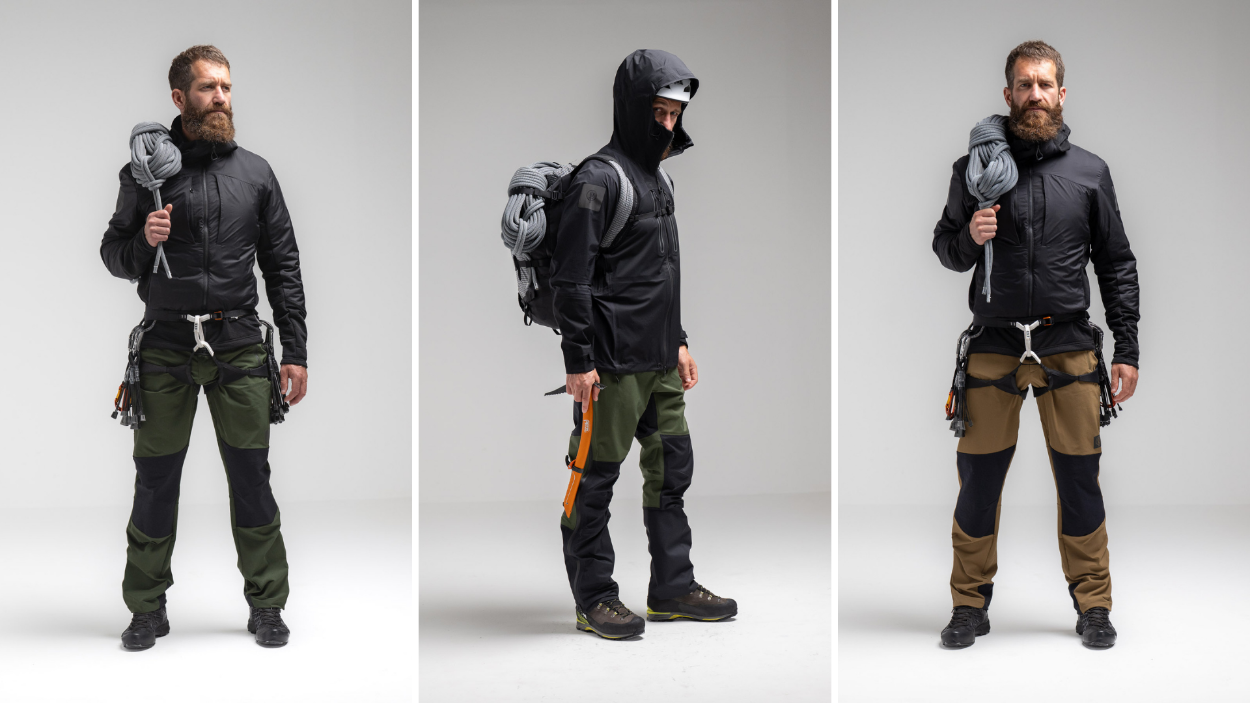
Ben Hewitt: As Louis said, at ThruDark we build products to last. We design aesthetically fantastic garments that function extremely well and that are durable, and we manufacture them to the highest standards using world-leading technical fabrics. Our mantra is that everything we make is fit for purpose, whether that purpose is climbing to the top of Everest at record speed (which our other Co-Founder, Staz, did recently) or pursuing a personal target in the gym.
Given that uncompromising attitude, when it came to 3D was there a benchmark that you felt the tools and the results needed to hit so that you and your teams could trust them to meet that promise?
Ben Hewitt: There’s a Special Forces mantra that we’ve internalised into, which is “an unrelenting pursuit of excellence”. We take that to heart, and everything we do, we strive to be the best at.
One of the things that holds us back from that goal is the time it takes to actually test and verify it. Every single garment we make is tested by Louis, Staz, or an ambassador with similarly sky-high standards for form and function – people like Aldo Kaine, a former Commando, Jason Fox, formerly of the SAS, or two-time Olympic gold medallist Victoria Pendleton.
No matter what a product’s purpose is, we know someone who can test it to the limits, in its intended environment. But for that testing to be effective we need to have the essential details of the product already squared away.
The worst outcome, for our aim of creating the best possible product, is for a tester to get out there in something that doesn’t fit properly the first time, or where the fabrics or trims aren’t quite right – or where a similar issue that we could have caught earlier ends up detracting from what should be the focus on performance and excellence. If you’re up the side of a mountain and the sleeves on your jacket are too short, all the other characteristics of the product will be irrelevant until that’s fixed.
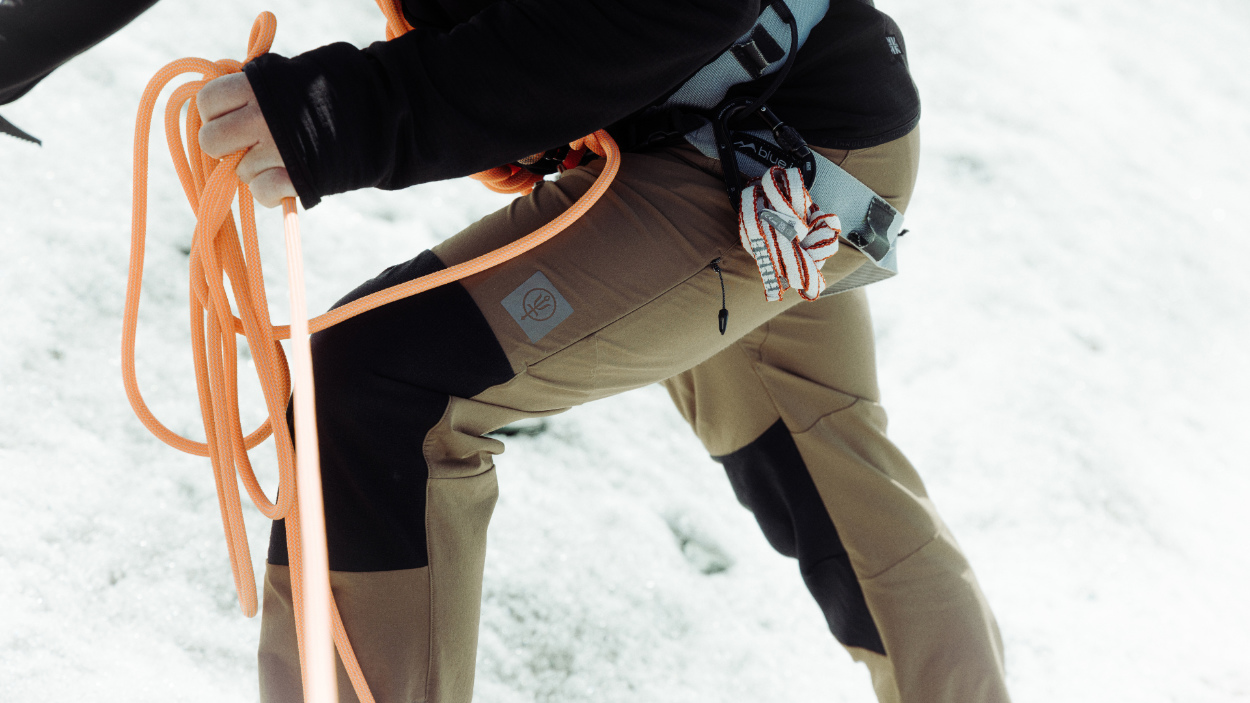
The way I see it: we should be able to catch and solve those things early, digitally, and if we can then we’ve met the high bar that I think we’ve set for 3D. Our aim is to deploy 3D in the design and development process, and then to spend, say, eight to twelve weeks defining and refining fit and function virtually, before we make a sample. That then means that the first sample is better. And that, in turn, allows us to test and improve the attributes that matter, to recapture time we’d have otherwise spent doing multiple rounds of sampling, and to deploy it to put more innovation and performance into our products.
The added benefit is that reducing those samples also helps save the world a little bit, as well as giving us better products. If we have the buttons, the angles of the pockets, the fabric drape, the zipper positioning etc. all tested and refined digitally, then we’re no longer going through four rounds of sampling, and shipping each of those iterative samples around the world.
That’s an interesting angle. We often hear people talk about saving time in the go-to-market calendar, but usually that time is deployed in service of getting styles on shelves faster – not reinvested in service of improving product innovation.
Ben Hewitt: And there’s the added benefit that 3D looks cool as fuck, as well!
I’m being cheeky, but there’s something serious there. We see a split in the way companies are using 3D: some seem to focus on using it behind the scenes, to make better products, where others concentrate more on creating cool images and content for eCommerce. I don’t think there’s a right or a wrong way, and I’d like to do both. I’m really excited by the potential to lean more into 3D for storytelling over time, or as a tool to help people like me (who fall between a medium and a large) who are browsing our website to understand how things fit.
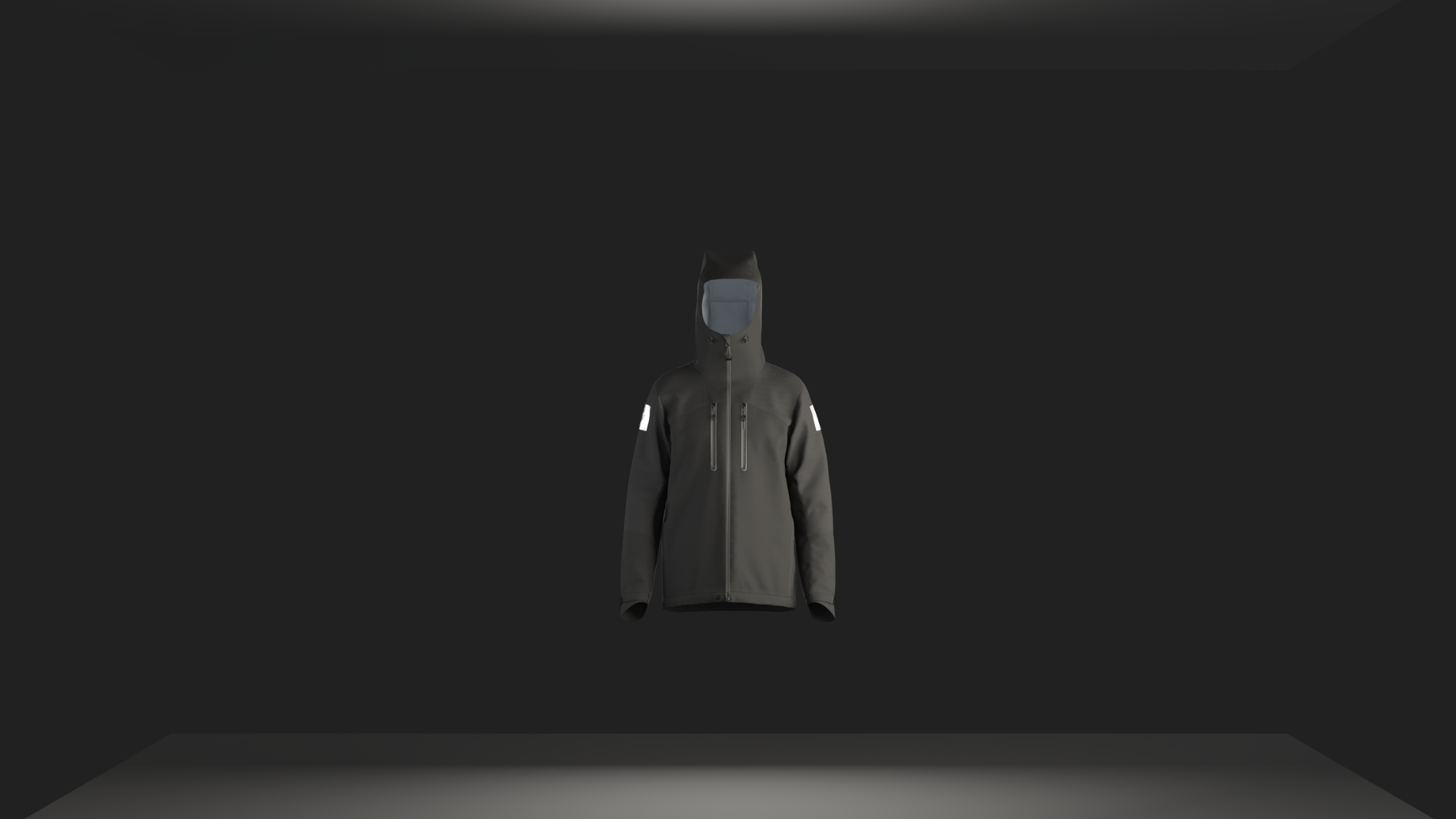
The consumer-facing visual and communications side of things isn’t our primary focus right now, just because we think the biggest immediate value is going to be found in pursuing product excellence, but in the longer term I’m all for it.
How does that stacking-up of priorities align with what you actually expected 3D to do for you, or with your preconceptions about what it was going to be, or where it was likely to deliver value? Have things changed as you’ve been progressing this initiative and rolling things out, or are these priorities largely what you thought you’d be going after, in the expected order?
Ben Hewitt: Everyone tries not to have preconceived ideas about things, but I suppose we all do. In my case, I think I assumed 3D would be more rigid and more formulaic: that it would come with a very vanilla, out-of-the-box set of building blocks and definitions of what, for example, a jacket or a pair of trousers looks like, and the user would be limited to tweaking rather than authoring from scratch. I picked this up through some very light-touch interactions with 3D tools over the years, which were obviously being demo’d using generic templates, patterns, and trims.
The short answer is that I’m glad to have been proven wrong there! We really did have the opportunity to start from first principles. With the help of Kyra we digitised our own fit models at the very beginning (so we now have accurate avatars of Louis and Staz), and we asked the big questions early about what works for our brand, so we’ve been on a journey since of building everything from the bottom up, rather than architecting backwards. I think that’s what’s allowed us to see that 3D really can support our unique commitment to product excellence, because we’re not attempting to conform ourselves to someone else’s rigid way of working, or someone else’s product ideas, just so we can “go digital”.
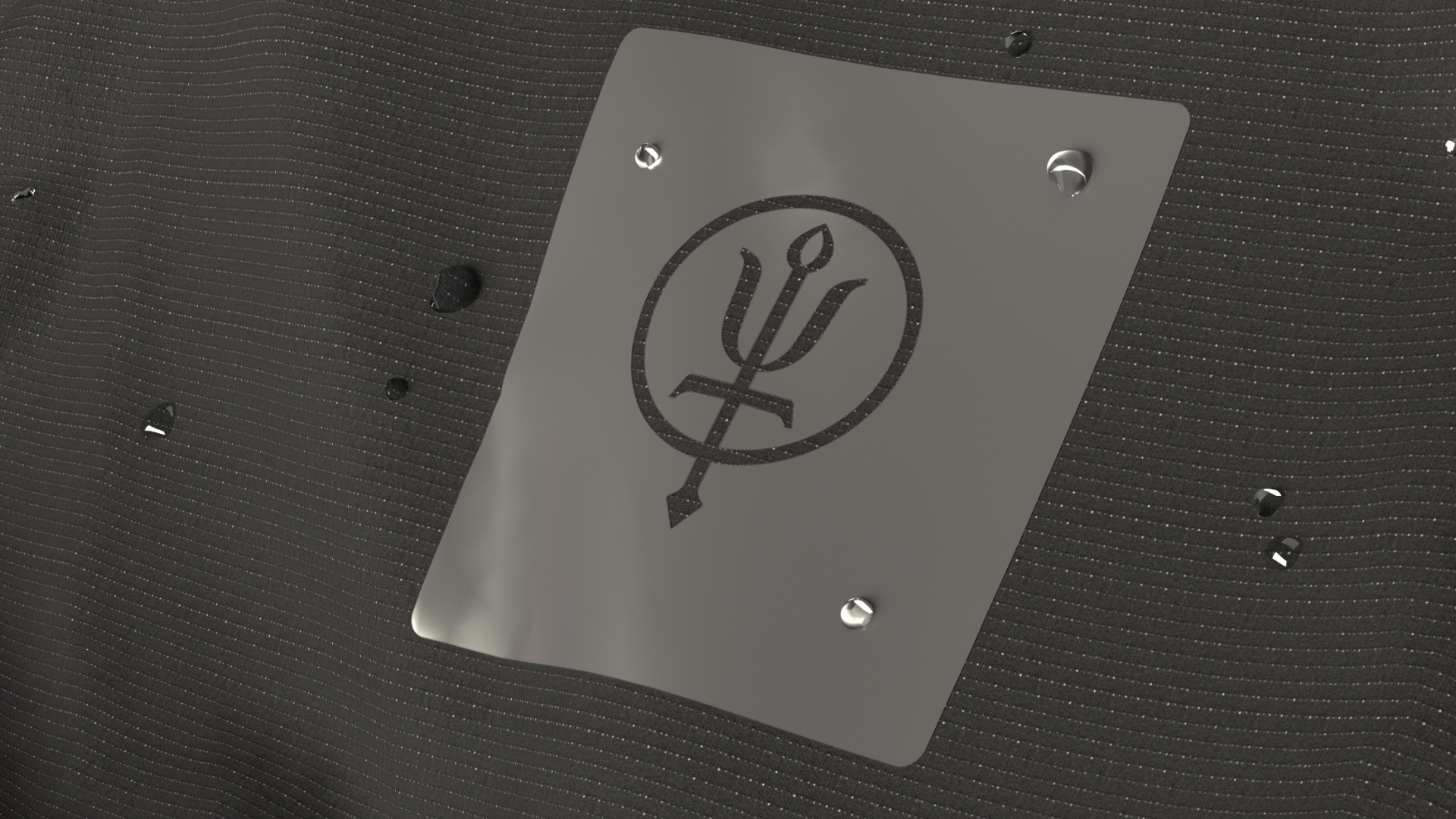
I’ve also been really impressed with the level of detail we can obtain through 3D visualisation and simulation. Together with Kyra we’ve spent a lot of time talking to fabric suppliers, trim suppliers like YKK (who I know are featured later in this report) and other key partners, so that we could get the garments looking as good as they do in real life.
There’s the perennial debate between depth versus accessibility in what you’ve just said. From the point of view of end users and 3D technology vendors, people really are being careful to not to immediately expose the full capability set of 3D, or the complete spread of the extended ecosystem, because putting large-scale digital transformation and digital twins in people’s hands straight away feels like inviting them to just bounce off it. But showing too little means selling the potential short. The other brands who are telling their stories in this year’s report are good examples of how communication, roll-out, and a fit between capabilities and achievability can determine the direction of DPC strategies.
Kyra Gibson: I think it’s about having a scope that makes sense for the brand. Starting from first principles doesn’t have to mean doing everything, but it does mean that the foundational pieces will be in place to allow you to do more over time.
The way ThruDark are approaching 3D is what I’d class as strategic, in that it has clear near-term goals as well as pathways to future potential. In the short term, the expectation is that we’ll make better products by eliminating the need for interpretation and iteration between the brand and their partners, and that that technical understanding will be codified into libraries and best practices. But in the longer term the same level of detail and accuracy behind that outcome is what could also allow ThruDark to do exciting things with visualisation, or with content creation for new channels.
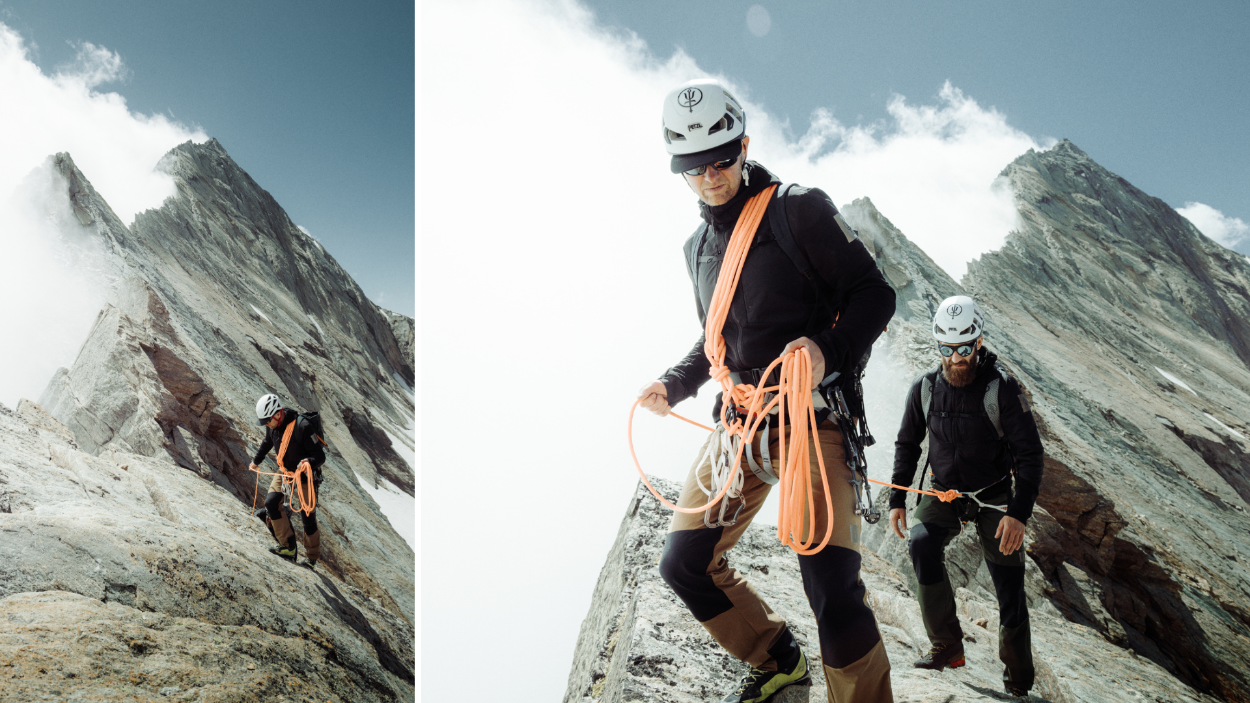
We’re trying to put the infrastructure in place so that, when ThruDark starts working on a new product, all the opportunities of 3D are available to them, even if they’re going after a very singular outcome at first.
How are you managing the workload? Obviously there’s a knowledge partnership in place right now, but in the slightly longer term how much 3D work do you think will be done by ThruDark’s in-house teams compared to external partners and agencies?
Ben Hewitt: By December 2026, I fully expect our entire design and development team to be using CLO 3D, and for the majority of our suppliers and partners to be doing the same. Many of our suppliers already do – especially the bigger factories, who have spent years at this point building out their digital capabilities so they can support other brands who maybe embraced 3D a little earlier than we have.
I’m confident that’s going to change everything about how we work, from inception through to product delivery, because collaboration, sign-off, and all the other multi-party activities are going to align around the 3D asset in one way or another.
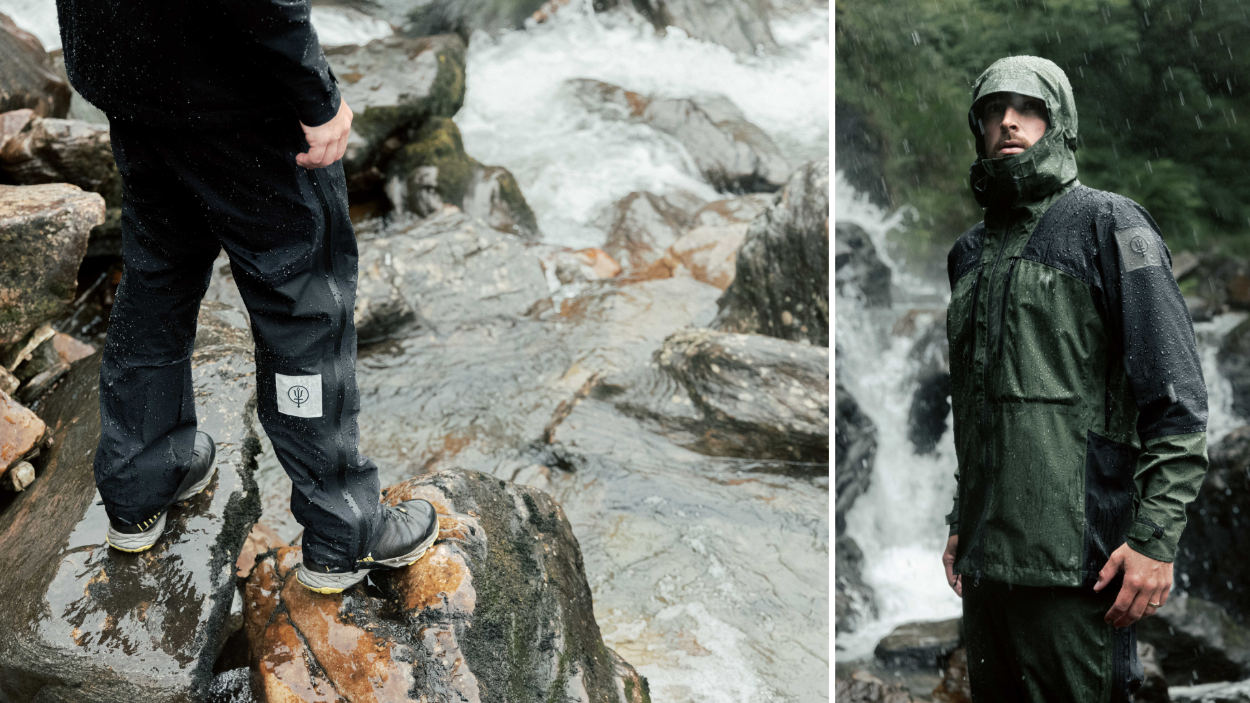
I very much see 3D as the future of the way our teams work, and of how they work with our partners. I don’t think there’s a world where, in five or ten years time, the industry isn’t aligned on 3D being the standard.
What’s the sentiment like within your design team? Are they coming into this exercise with any of their own hands-on experience or their own preconceptions?
Ben Hewitt: We have some younger folks on the team – younger than me, at least – who’ve already learned the ropes in 3D at university. Then the rest of the designers are on board with wanting to use it, because they understand the direction of travel, and I think they also see this sort of digitisation as inevitable.
A lot of designers, across the industry, have been doing it long enough to remember what it felt like to transition from drawing by hand to drawing in illustrator, and this is just the next step down that road. And our team is universally open to adopting new ideas, and they’re always looking forwards, so I don’t think there are any barriers to making 3D the foundation of how we work – more that everyone wants to do it right away, because they see the benefits.
We’ve talked a lot about performance garments, and that’s something that very much hinges on fabrics. Modelling a genuinely mountain-ready jacket in 3D, means having extremely accurate representations of the outer layers, inner lining, loft filling and so on. Given that you see really taking deep root in the design, engineering, and production side of things, how are you making sure that all those pieces – along with the trims you mentioned earlier – are there for your design and development team to use in 3D?
Kyra Gibson: It’s important to be aware of the strengths and limitations of the tools here, as well as being realistic about which components you have digital representations of, and which ones might not be available yet.
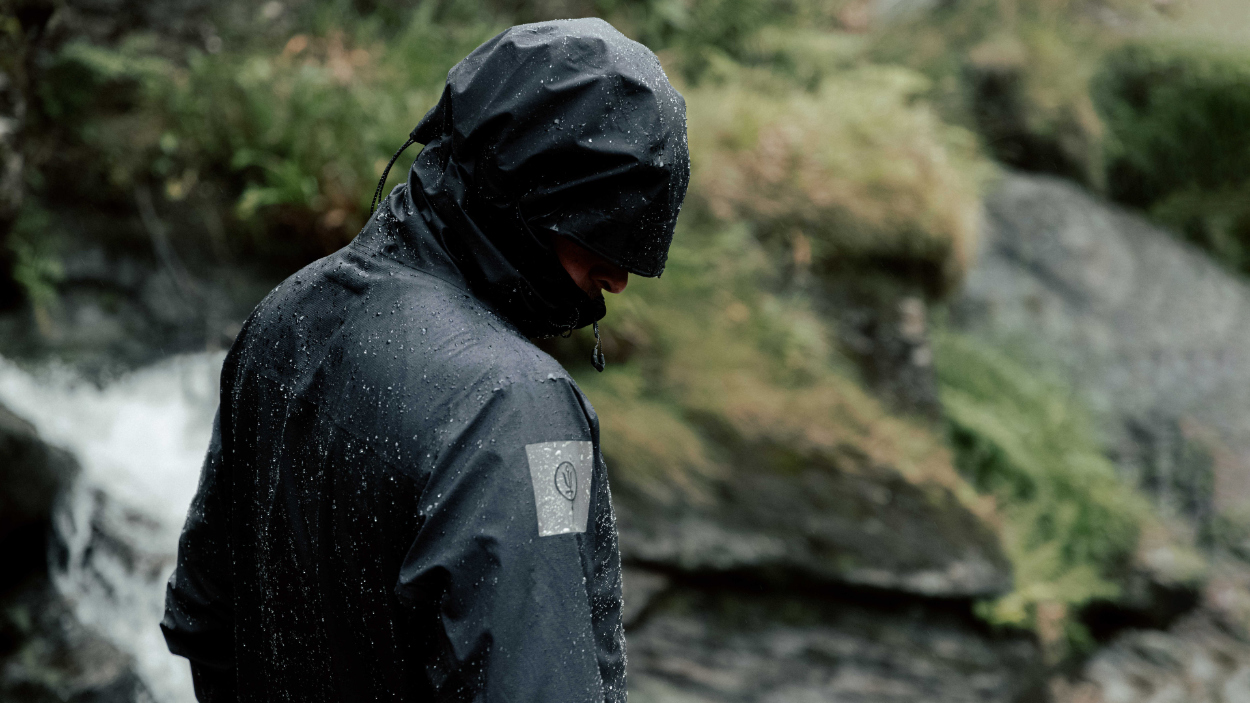
For example: a lot of ThruDark garments use magnetic closures, and right now we don’t have a true representation of those in CLO, which means that, for the time being, we need to find a way to approximate those through sewing in 3D – and perhaps that doesn’t pull the fabric in quite the same that that a natural magnetic popper would.
The point here is that you’ll almost always have a continuum, where some components have direct representations in 3D and some don’t, so the challenge is to make the right decisions about how to work with what you have, and how to prioritise digitising new materials and trims over time.
When it comes to fabrics, there’s obviously a visual side, but also the full spectrum of physical properties we need to capture. The first of those is something we’ve been doing ourselves, using a Vizoo scanner, but we’ve also carved out a section of the project to support that aesthetic scanning with rigorous fabric testing and lab partnerships. We have the libraries ready, and based on ThruDark’s aim of winning back more time to innovate at the product level, we’re obviously moving towards maximising digital fit capabilities.
As part of that we’re talking to fabric suppliers, and it’s fair to say that some are much further ahead than others, and have assets ready to go. Others have told us they’re working on projects in the future. So I think, medium-term, there’s going to be a mix between what we digitise ourselves and what can be supplied by the industry, and a top priority will be keeping consistency between those channels.
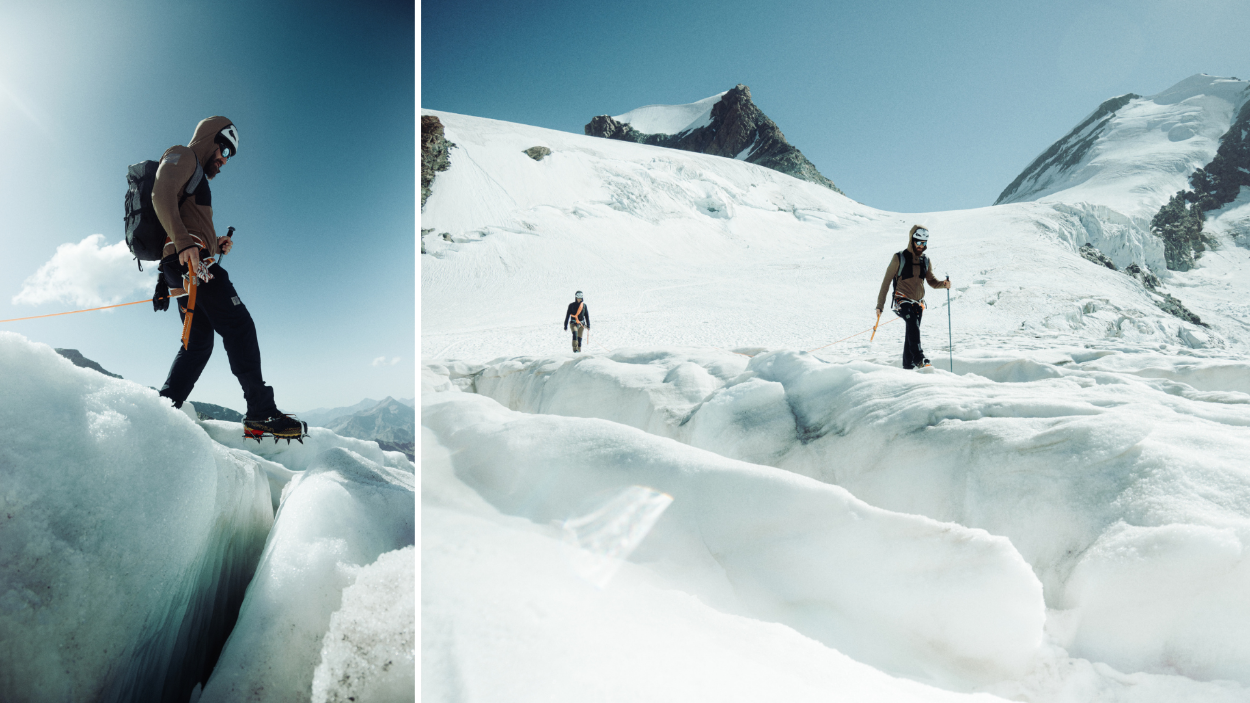
Ben Hewitt: We’ve found that the big mills and the major suppliers already understand that 3D design and development is the way forward, and they’ve already invested in those capabilities. The companies that supply the kinds of technical fabrics we work with are often already set up to share 3D files with you when you select a fabric.
And how are you managing digital fit standards? You mentioned having scanned the brand’s Co-Founders, and testing products with extreme athletes, but how about the typical customer?
Kyra Gibson: I think it’s evident, industry-wide, that there’s a lack of consistency in sizing. I actually presented a research paper on exactly that challenge, digitising fit models to maximise 3D fitting capabilities, at the 3D Body Tech conference, and it’s a primary culprit behind the rising return rates on a lot of clothing.
It’s also something we really want to tackle by developing our own base size digital avatars. Because of the intended use case for the products, a lot of our fit models are more muscular than the average shopper, and after doing a lot of research and development work, we determined that existing avatar sets and systems weren’t going to meet our needs, so we digitised all our fit models – creating digital twins of each of them – and then developed a base size from there.
Now, when we’re creating a new product on the base size, we can virtually try it on fit models as well, to make sure that, for example, a medium t-shirt in the base size fits models who identify as that size as well. And when it comes to getting a first sample, as Ben mentioned, the fit should be signed off and finalised much earlier, since we’re also sharing those digital avatars with our suppliers as well, for fit consistency purposes.
Ben Hewitt: Just yesterday, in fact, we were reviewing a slight tweak to a pattern with one of our suppliers, and because we’d translated it into 3D, and because we were aligned on the same avatars, we were able to sign it off instantly.
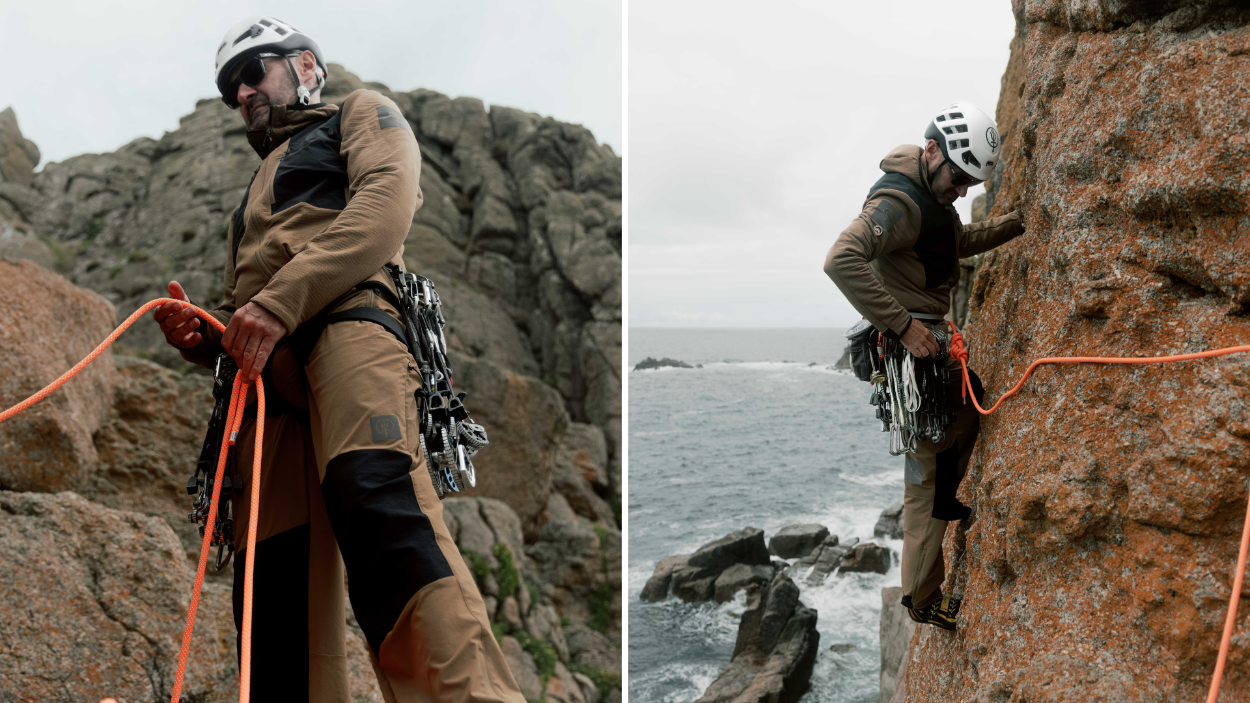
Last year, one of the brands that told their 3D story in our DPC Report 2024, talked about the opportunity they saw to virtualise even more of the product and material testing process, and their vision for growing the simulation capabilities of the DPC ecosystem. Given the importance you place on product innovation that’s forged in testing, would you see potential in doing at least some of it virtually?
Ben Hewitt: I’m not ruling it out if I thought the technology was ready, but for now I think we’d prefer to spend the time making products as good as we can make them at the first sample stage, and then doing that testing out in the real world.
Right now, I think our requirements for product testing are so specific and so extreme, that I don’t believe you can replicate them virtually. Our rubrics for proving the value of our products are things like being trapped in an avalanche just above the Khumbu Icefall, or wearing a jacket for a 500-kilometer trek in the Arctic Circle over ten days.
If the technology does mature to where we can virtualise some of that, we’re open to evaluating it. We do already collaborate with Arts University Bournemouth to make use of their “ageing lab” where you can age buckles or rubber fittings by twenty years in the space of a month, to prove out their durability, so if there’s a way to blend that kind of physical testing with simulation then it’s absolutely something we’d entertain as first-stage testing. But today I don’t think there’s any replacement for putting a product out there in the real world – especially if you’ve taken the opportunity to absolutely hone it in 3D ahead of time.
On the complete opposite end of the spectrum, technically speaking, is the use of 3D for content creation. This is already incredibly widespread in other sectors, like the automotive and home industries, and you’ll also see adverts for cars in extreme environments that are fully CG, and based on the same 3D assets that were used at other stages of the journey to market. Presumably it’s not exactly easy to take photos around the vertical faces of Everest, so would you consider using 3D to put those kind of in-context experiences and content in front of consumers?
Ben Hewitt: As a matter of fact, when we first started this partnership with the University, one of the first things I asked was whether we’d eventually be able to develop a virtual showroom that put the whole ThruDark collection at Everest Base Camp, and let consumers explore the environment and the products.
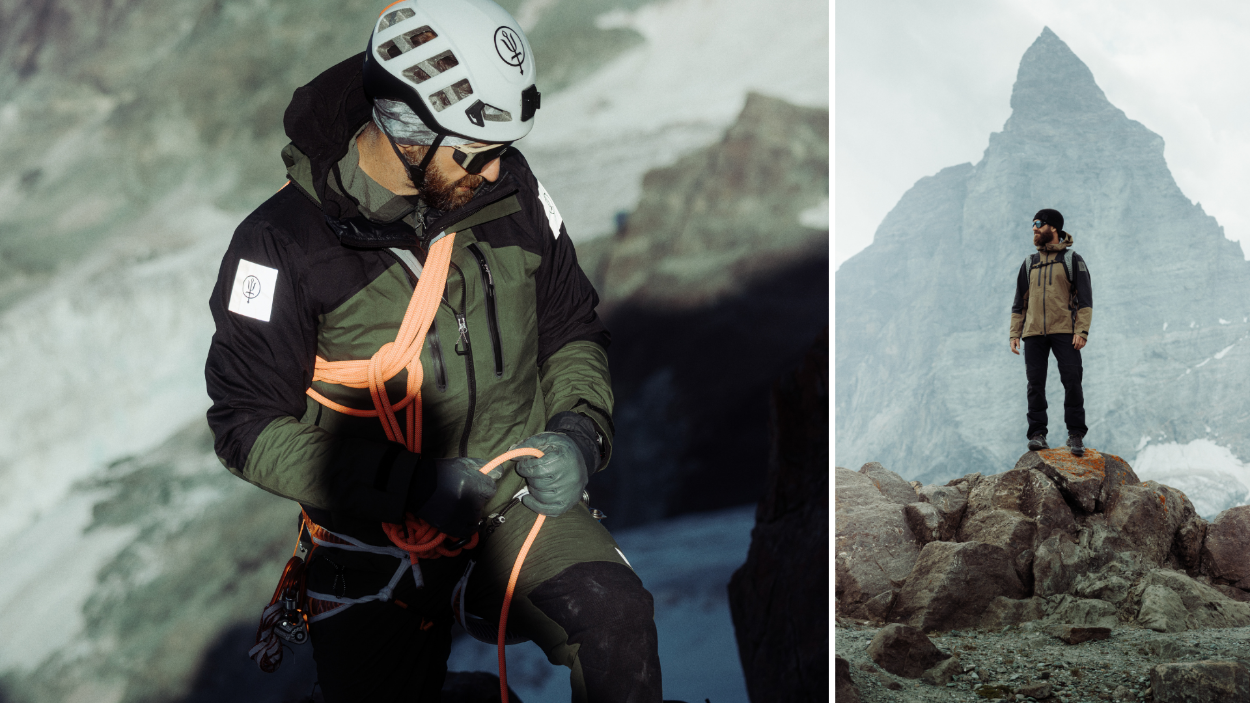
That’s still something I think would be incredible. We want to innovate at the product level, as I’ve already said, but we also want to make sure that that innovation is easy for the shopper to see and understand. We want people to be able to buy with confidence – not just because they trust that the garment will perform, but because we’ve been able to successfully and authentically communicate to them that the garment is going to fit exactly how they expect it to fit, look how they expect it to look, and do what they expect it to do.
That’s a long-term goal now, and I think there’s going to be a high bar to clear for parts of our audience when it comes to building trust. We know that younger audiences are more comfortable shopping online, whereas people my age (or maybe just me, specifically) and athletes and adventurers are old school and insist on trying things on – especially if they’re going to potentially trust their lives to them in extreme scenarios.
Ben Hewitt: This feels like a minefield to talk about, but I think we’d be stupid not to look at what AI can do for us at the moment. We never want to obfuscate anything about our products, and with the kind of use cases and the kind of audience we’re engaging, we can’t afford inaccuracies, but it’s hard to ignore the potential of AI for fast-tracking the visualisation of things.
I took a 2D line drawing last week and used AI to create a proxy of a 3D render for it, just to understand some things about pocket placement and colours, and that was an exercise that took a minute.

Since I was just experimenting with ideas, if I’d asked one of our design and development team to visualise it in 3D instead, that would have been a labour-intensive exercise that would have taken them away from other valuable 3D work. From that point of view, it’s a big phrase, but I think we have a moral obligation to use the easiest tool that can get us to the intended use case, and that allows our expert teams to focus on their specific domains.
Why would I, for instance, spend three weeks waiting for a lab dip to visualise how a colour might look on a jacket if I can do it in 30 seconds with AI? Why would I get a specialist to do it in 3D for me, if the purpose is just a quick creative choice, and not something that influences the excellence of the end product?
Kyra Gibson: The key thing is that, when we’re producing digital content that people will use to make decisions, we have to stay true to the product, and right now 3D gives you that strong element of control, and that consistency that runs from design all the way to consumer-facing materials.
I have seen AI used successfully in some cases as an enhancement for the output of 3D, but I think it still needs a lot of work if we’re going to be able to keep the accuracy of fit, materials and so on to a level where we’re comfortable asking customers, or internal audiences, to trust it.
How do you measure the value of working in 3D? We’ve already talked about the difference between time saved and time reinvested, but does that capture it all?
Ben Hewitt: Maybe a better explanation is that we’re looking at it as time used in a different way. If it takes two years to get something to market, and we can use 3D to shorten that time by six months… we won’t do that. Instead, we’ll use that time for testing and innovation.
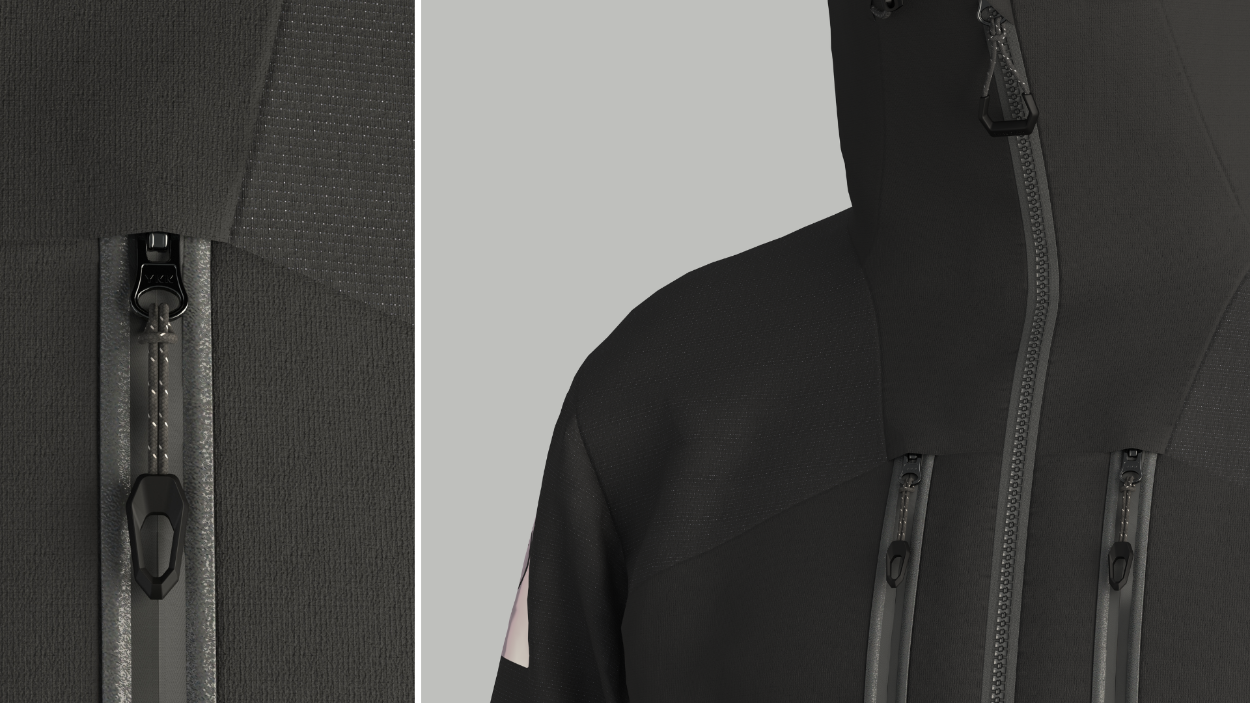
We’re going to save money, too, on multiple fronts. I’m confident in that. People tend to forget that it costs money to sample, and it costs money (and carbon) to ship things around the world. It certainly costs money to process returns, which, for a company like us is around 10% for size-related reasons.
What’s next for ThruDark when it comes to 3D and digital product creation? Within that same twelve-month timeline you’d talked about, for bringing all your designers and developers on board, what else do you want to accomplish?
Ben Hewitt: We’re committed to taking proof of concepts and showing both our business and the wider world that what we’re doing, approaching 3D from first principles, actually makes a difference, and bringing empirical evidence to back it up. We’re creative folks, but we’re also very data-driven as a company, and we’ll find out within the next year just how much money we’re saving this way, and how much better our product is becoming when we track sales and returns.
We have another internal mantra at ThruDark, which is that a product’s ready when it’s ready. That results in great products, but it can also be a bit of a crutch in that it allows us to paper over calendar cracks with a commitment to quality, and sometimes that matters more than others.
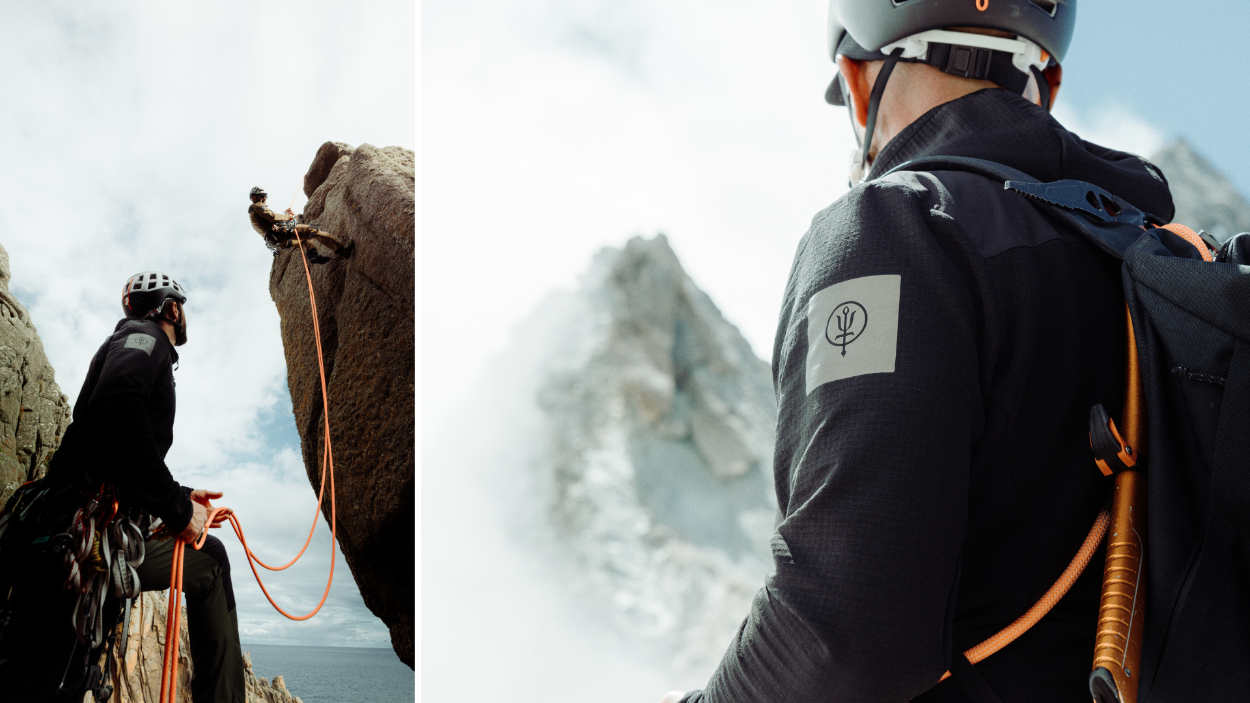
If a timeless product should have launched in February, and instead we tweaked it based on testing, and we sampled, and sampled again and again, and then it launched in April… that doesn’t affect things too much. However, if we’re trying to launch a down jacket in October, that’s a pretty concrete seasonal target. If that runs late, and we launch a down jacket in January, we’ve lost a pretty clear market opportunity. So there are time pressures as well as monetary value, and I believe that implementing 3D will reduce our risks there massively.
Our brand is built on making cool stuff. We see 3D as a lever to help us make even cooler stuff, more efficiently, and to make it on time.