In beauty, consumers care deeply about what’s in the products they put on their skin. Now, they want to know where those ingredients come from and why that matters. From seed sourcing to blockchain tracking, beauty brands are using transparency tech to turn provenance into trust.
As a new lawsuit looms over Nike’s shuttered NFT initiatives , we’ve reached a fork in the road between the way people assumed digital products and ownership would pan out, and the commercial and cultural reality. And luckily the way forward looks clearer than ever.
We’ve documented how AI is reshaping product discovery. But what if that was just the beginning? With emerging signs OpenAI is eyeing social and shopping in addition to deepening search, the company isn’t just adding new tools to the stack, it may be laying the groundwork for an entirely new closed loop, one that could reroute the entire consumer journey.
As fashion weathers rising tariffs, strained supply chains, and a cost-of-living crisis, circularity could become less of a compliance exercise, and more of a practical adjustment to a market where newness is on the decline.
In a trade environment where tariffs can be imposed, reversed, or escalated in a matter of hours, long-term planning becomes impossible. What’s unfolding isn’t industrial policy, it’s economic whiplash.
From the crucible of the space race to the necessity of climate adaptation, what fashion can take away from past and present moments of fear, optimism, necessity, and invention.
A new study suggests what many suspected: generative AI doesn’t just learn style—it remembers substance. Now, with lawsuits from the New York Times and acclaimed authors moving forward, the legal system is catching up. And for fashion—an industry built on inspiration—the question is no longer if AI poses a risk, but when.
Fashion has had a crossover opportunity in videogames for a while, but new metrics for engagement and reward are promising to put more quantifiable numbers next to the potential.
Image generation has taken a leap forwards at the same time its chains have been loosened. As the biggest models get easier to use, better, and less restricted, will a point come where fashion has the appetite for action?
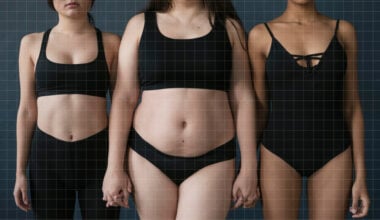
For decades, clothing sizes have been based on outdated body data, creating fit issues for most women. Tanya Dove’s research examines how these flawed standards persist and explores what can be done to improve garment sizing for a more accurate fit.
Fashion’s most glamorous, outward-facing roles are dominating discussions about AI-driven job displacement and the future of compensation, but behind-the-scenes creatives are perhaps more at risk as businesses prioritise cost-cutting, creative control, and speed. And what this means for the acquisition of skills in the future is unclear.
With digital product creation anchored in streamlining creative work, and AI at the top of the investment pile thanks to its promise of radical automation, the two segments seem set to converge. What's likely to happen, fashion-wide, when they do?
By continuing to browse The Interline, you agree to our Cookies & Privacy policy.